Most 4-channel systems operate in UHF bands, though some use 2.4 GHz digital links. Example UHF ranges cited include M3-style bands (for example 516–558 MHz) and other UHF channel sets; a few 2.4 GHz systems advertise four-channel operation (sometimes paired with high-resolution digital audio specs like 24‑bit/48 kHz).
Many 4-channel systems advertise professional digital audio (commonly 24‑bit/48 kHz) and wide audio bandwidths (examples list 20 Hz–20 kHz or 20 Hz–22 kHz). Latency for modern digital wireless systems is typically very low—often in the single-digit milliseconds (commonly quoted around 3–5 ms).
Look for diversity receivers (true- or antenna-diversity), automatic frequency scanning, IR sync for quick transmitter pairing, and built-in RF spectrum-analysis or channel-management tools. Together these features simplify frequency coordination and reduce the risk of cross-channel interference in multi-channel setups.
Most 4-channel receivers are built in a 1U rack-mount format for easy stage or rack integration. Some manufacturers also offer compact, low-profile 1U designs for smaller rigs or portable setups.
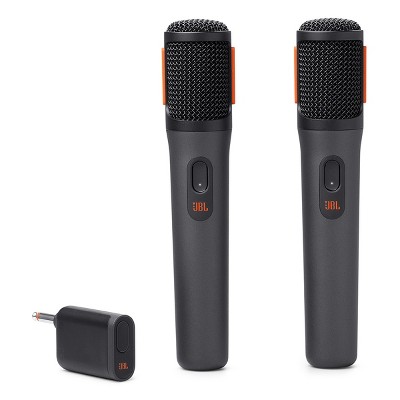
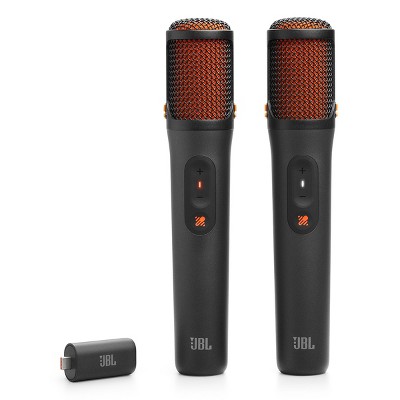
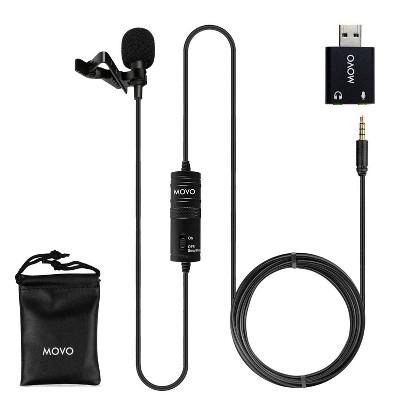
Handheld transmitters are the most commonly included option. Many systems also support or are sold with bodypack transmitters, which accept lavalier or headset microphones depending on the package and your needs.
Range varies by frequency band, transmitter power, antennas, and environment. Example listings show systems claiming anywhere from roughly 70–160 feet up to several hundred feet (examples provided include 70', 90', 150', 160', and up to 300'). Expect real-world range to depend on obstacles, RF congestion, and antenna placement.
Commonly, 4-channel receivers provide individual balanced XLR outputs for each channel plus a summed unbalanced 1/4" (or combined) output to feed a mixer or PA. This lets you send separate channels to a board or a summed feed for simple setups.
Common patterns shown across listings include omnidirectional, cardioid, and other unidirectional patterns. Choice of pattern depends on the mic capsule and the intended use (e.g., vocal handhelds vs. lavalier/headset applications).