Page counts vary from short children’s books to multi-hundred-page references. Examples in the collection include 80, 128, 178, 184, 192, 212, 216, and 424 pages.
They’re organized across several categories: trivia and games, history, juvenile nonfiction (sports, lifestyles, science & nature, concepts), and reference/encyclopedia volumes.
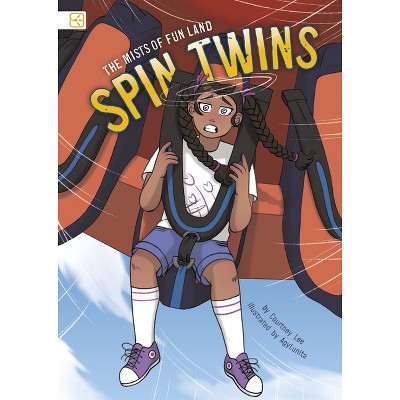
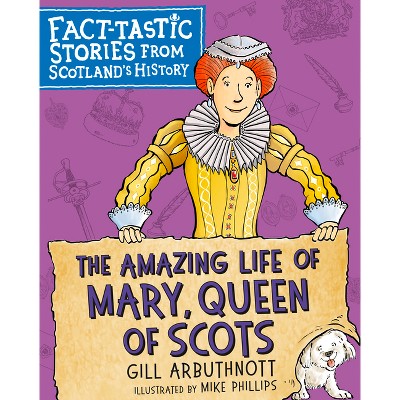
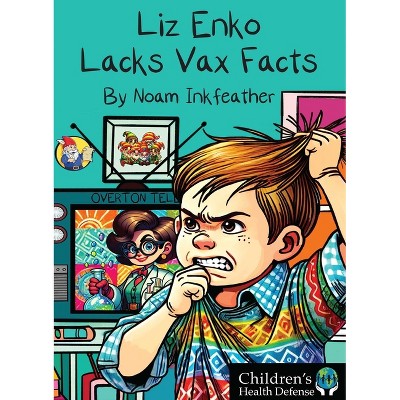
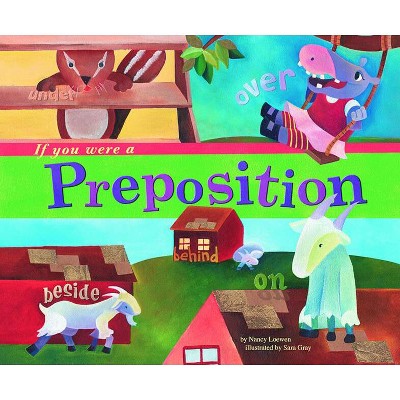
City and travel fact books emphasize photography, illustrations, and hand-drawn maps; many children’s titles include energetic artwork or comics; and the encyclopedia features over 1,000 images and maps.
Extras vary by title: some include trivia questions or quizzes, others contain jokes and comics, and several offer photos, figures, kid-friendly sidebars, or tips.
They’re generally thorough: one almanac presents thousands of facts about World Cup soccer, and the encyclopedia is a fully updated, multi-hundred-page volume organized into subject chapters with more than 1,000 images.
Yes. Educational coverage includes weather and climate (processes, forecasting, record events, and climate change) and financial literacy topics such as bartering, credit, ATMs, profit and loss, and other money concepts.
Portability varies: compact paperbacks are small and light (around 0.4–0.43 pounds and roughly 8.0 x 5.0 inches), while large illustrated hardcovers can weigh several pounds and measure about 11.0–12.26 inches tall.