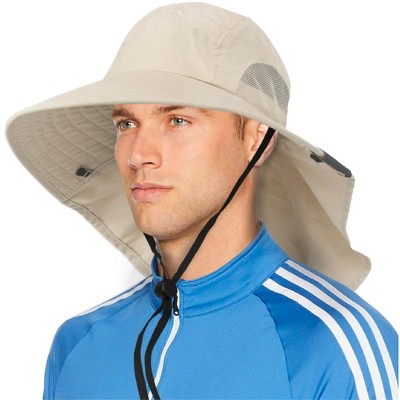
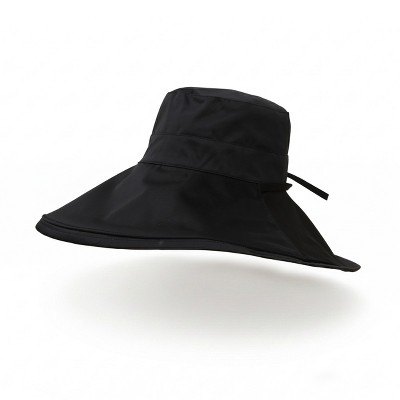
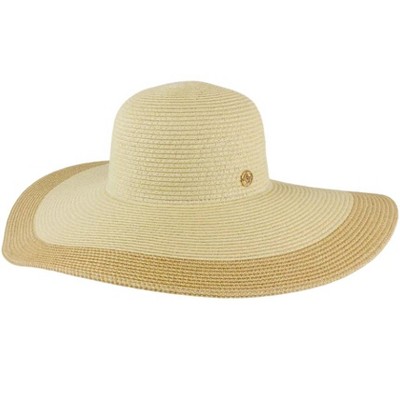
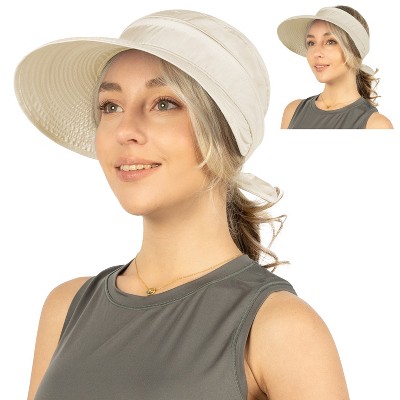
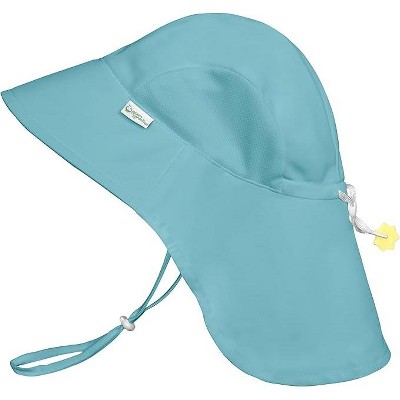
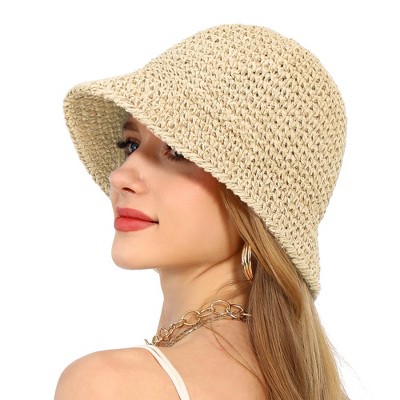
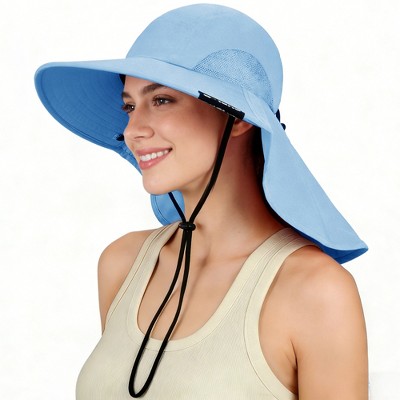
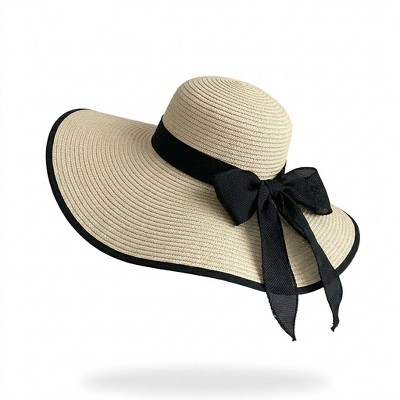
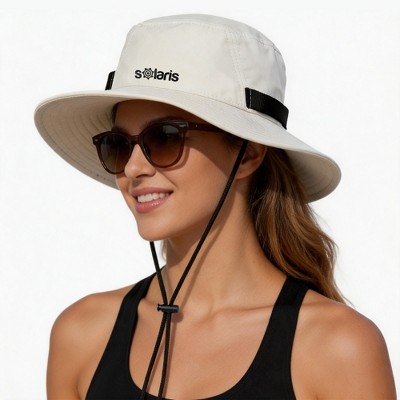
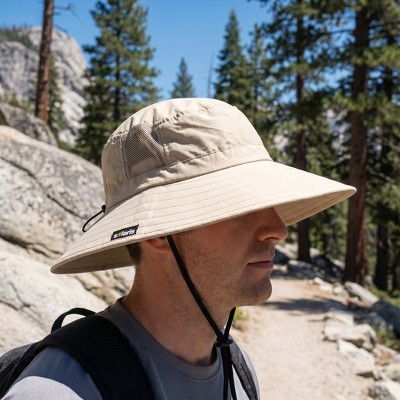
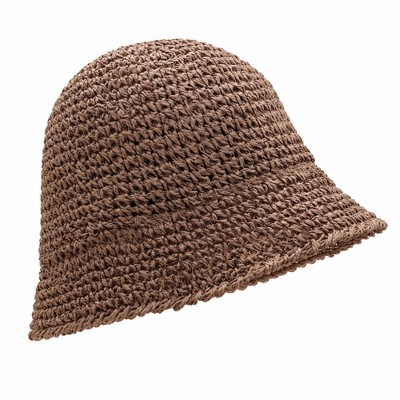
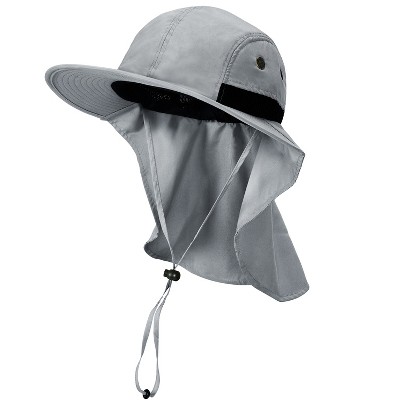
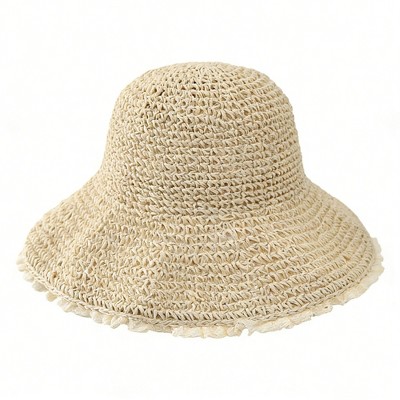
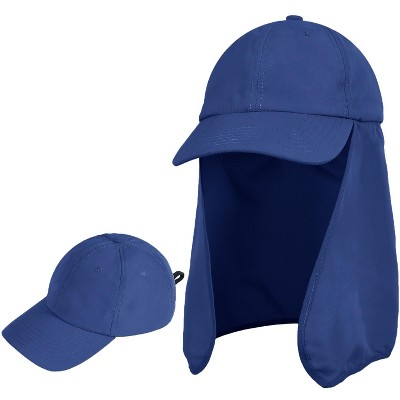
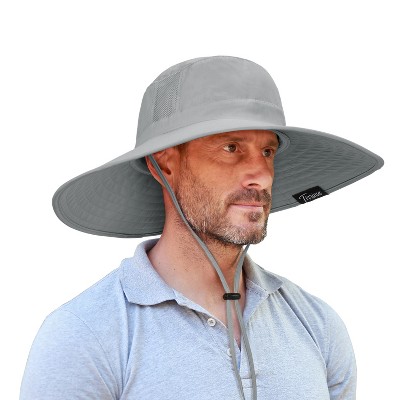
Many garden hats advertise UPF 50+—meaning the fabric blocks roughly 98% of UV radiation—and are designed to protect exposed areas like the face and scalp. Actual coverage depends on the hat’s brim width and any added flaps: a UPF 50+ fabric helps reduce sun exposure, but full face or scalp protection requires sufficient brim/flap coverage.
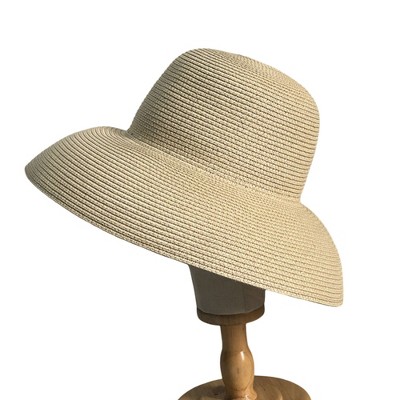
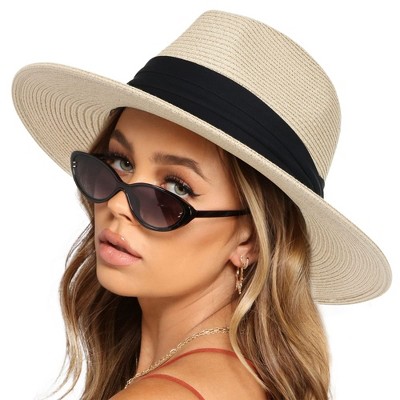
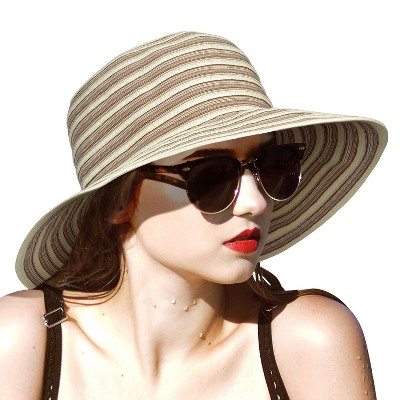
Brim widths typically range from about 3 inches to 5 inches. Narrower brims give some facial shading, while wider brims provide more protection for the face and neck—choose the width based on how much sun coverage you want.
Many garden hats are made to fit most adults, with common listed head circumferences around 22 to 24 inches (examples: 22.8 in, 23–24 in, 24 in). Check the product’s listed circumference and any adjustable features to confirm fit before buying.
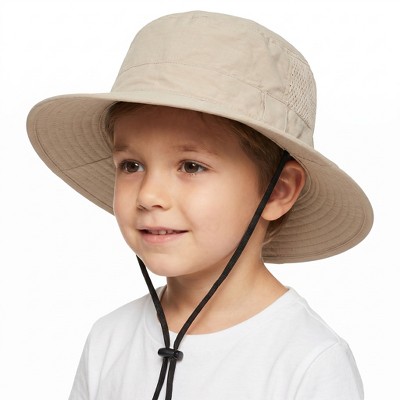
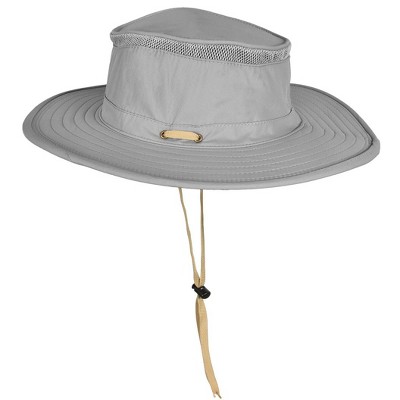
Common security features include chin straps or cords with toggles, drawstrings with plastic buckles, adjustable rear straps or Velcro closures, and wind-resistant construction. Use the available adjustments (chin strap or rear strap) to keep the hat secure in breezy conditions.
Yes—many garden hats include mesh vents and moisture-wicking sweatbands, and use quick-drying fabrics like polyester or nylon. These features help keep your head cooler and drier during hot-weather gardening.
Care varies by model. Many recommend hand washing and line drying or laying flat to dry; some are machine-washable and then line-dried. Always follow the specific care instructions on the product label to protect shape and fabric performance.
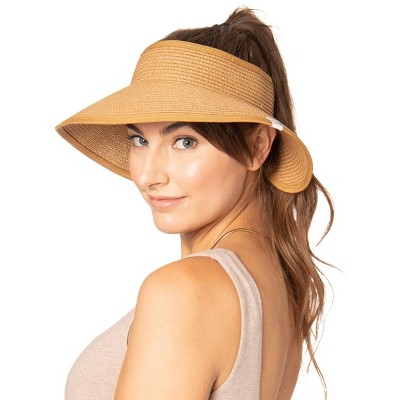
Practical additions can include ponytail openings for buns or braids, hidden zip pockets inside neck flaps for small essentials, and moisture-wicking sweatbands. These features add convenience for gardening and outdoor activities.
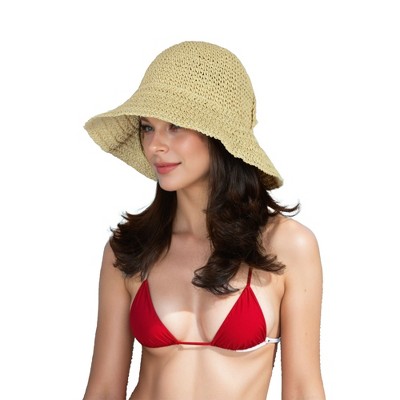
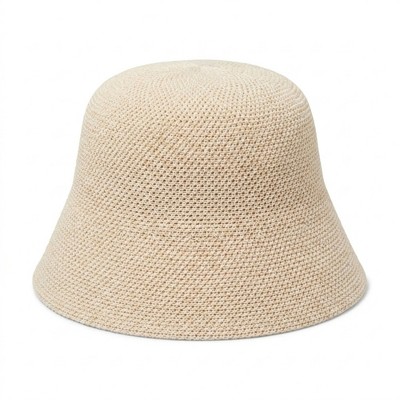
Many garden hats are lightweight and designed to fold or roll for packing, then pop back into shape. That makes them easy to stash in a tote, backpack, or luggage for travel or yard work.