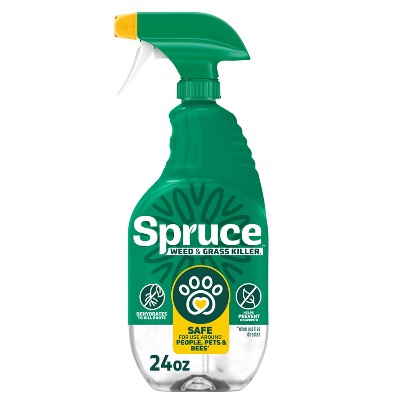
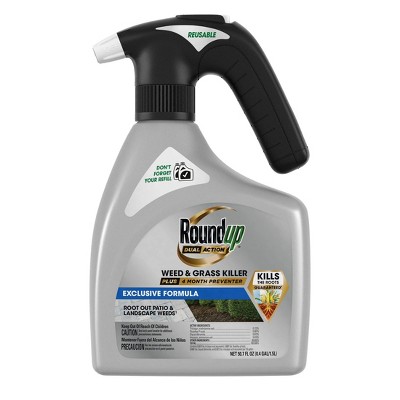
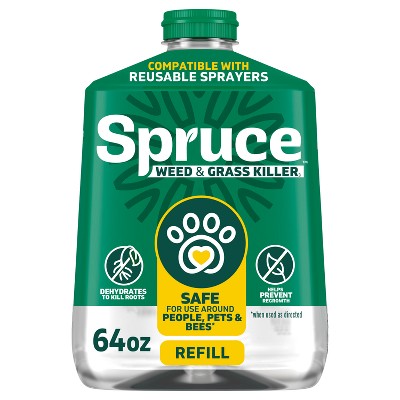
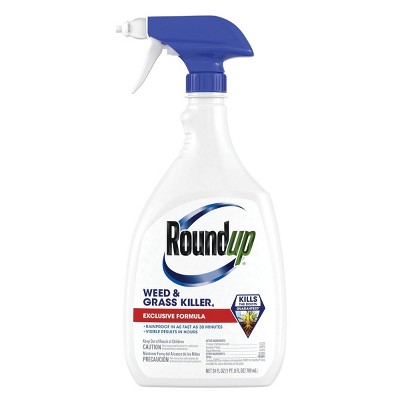
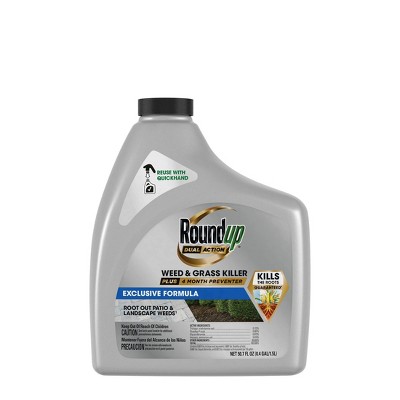
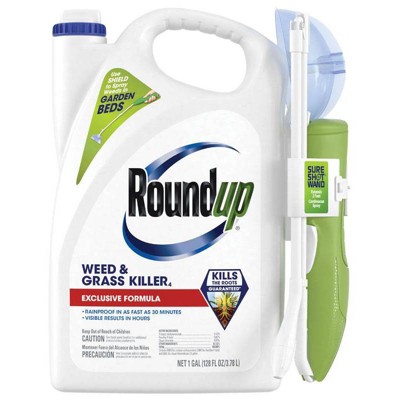
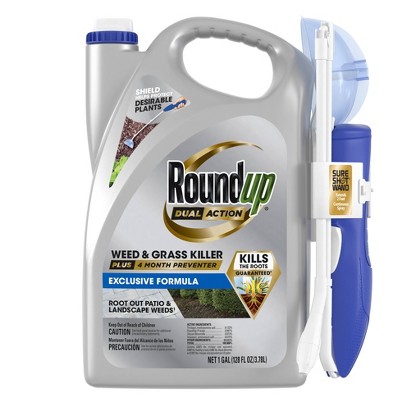
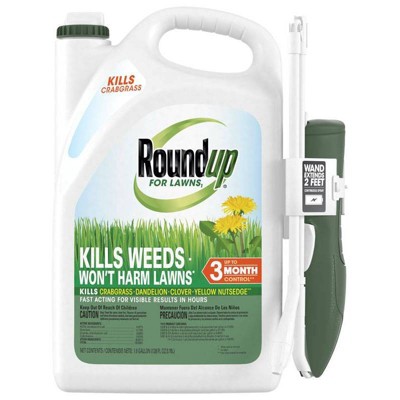
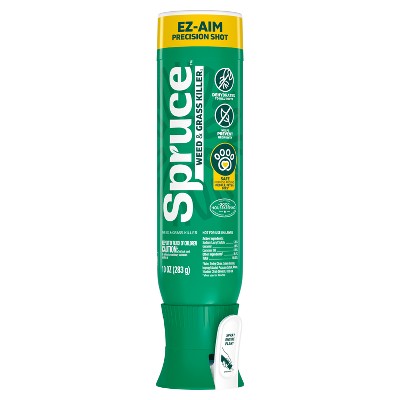
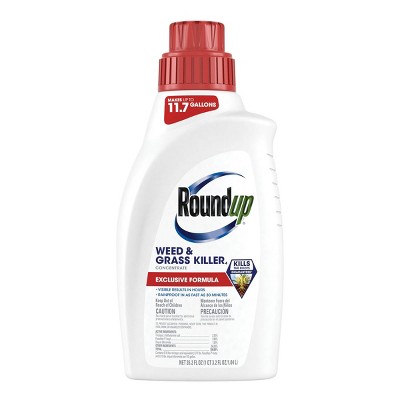
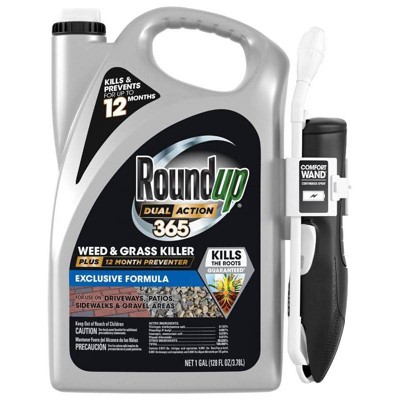
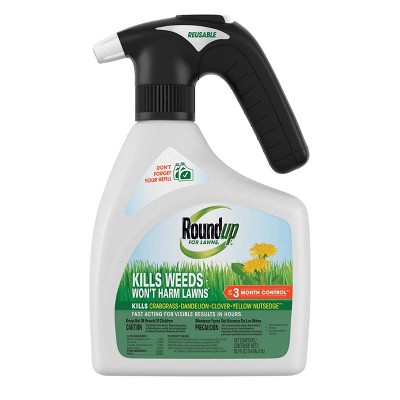
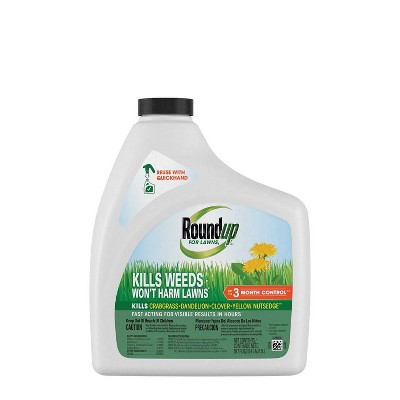
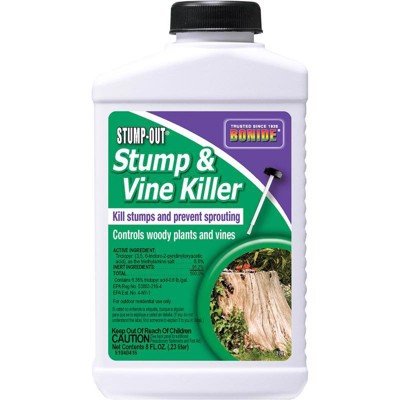
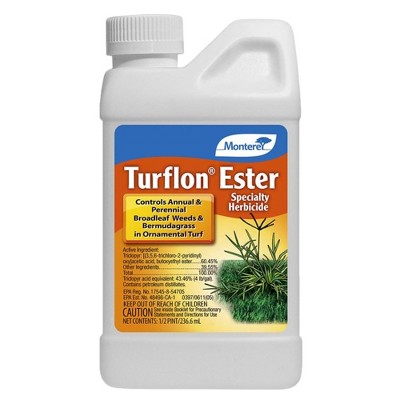
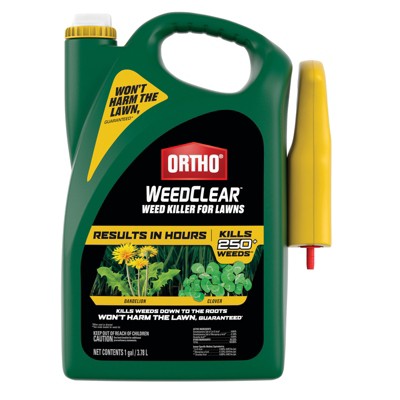
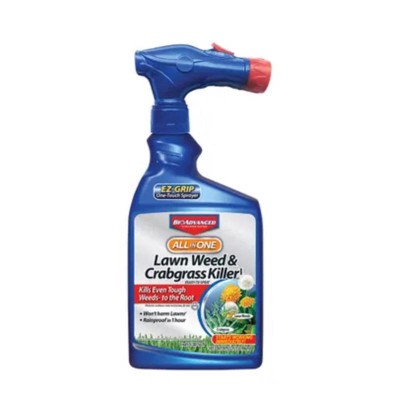
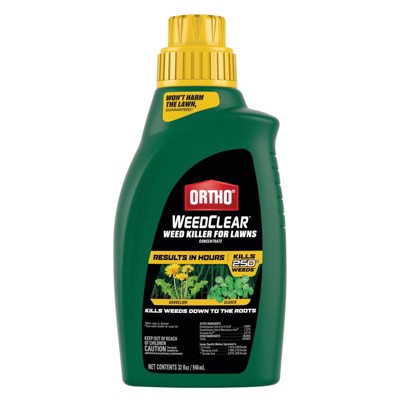
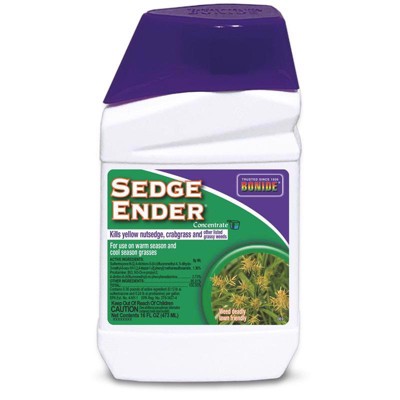
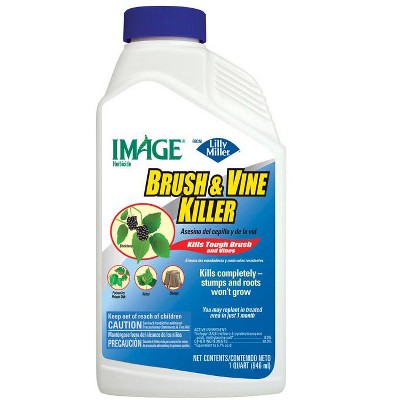
grass killer
Guests also ask:
Some listings call out non-synthetic or plant-based formulations. Examples include an OMRI-listed herbicidal soap marketed for organic gardening and at least one formula described as water plus essential oils and a surfactant. Other items use plant-based wording or “made with” phrasing to describe their ingredients.
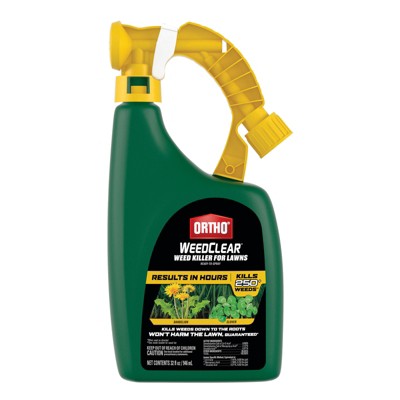
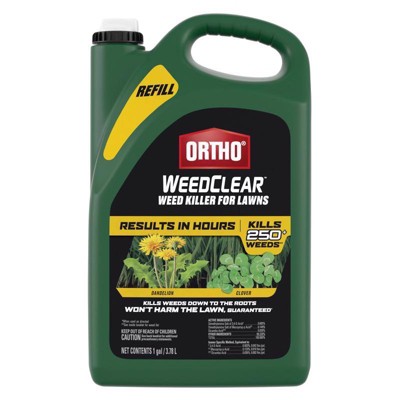
They’re applied by spraying. Listings show hose-attach sprayers, wand-style applicators (including battery- or powered wands and targeted wands), quick-connect sprayer handles, and refill/snap-in sprayer systems.
Listings cover hardscapes and landscape spots such as driveways, walkways, patios, pavers, and cracks/crevices, as well as gravel areas, mulched beds, flower beds, around fences, shrubs and trees, and some raised planters.
Visible effects are reported from about 20 minutes up through several hours. Examples in the listings range roughly from ~20 minutes to 1–6 hours, with some products noting full browning or dead weeds within a day.
Replanting guidance varies. Some listings allow planting new flowers, trees, or shrubs after 1 day, another lists 5 days, while one product specifies waiting about 4 months before planting ornamentals, sod, or seed.
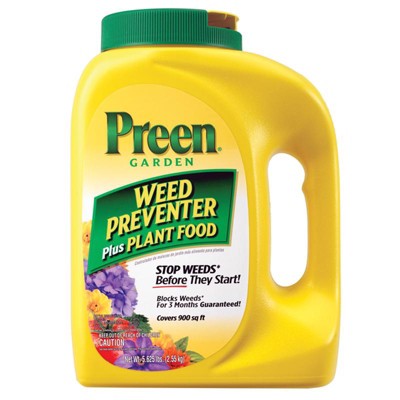
Durations vary by product: some listings cite short-term protection (about 1 month or roughly 12 weeks), at least one preventer product claims protection for up to 4 months, and other items focus on immediate kill without specifying a longer-term control period.