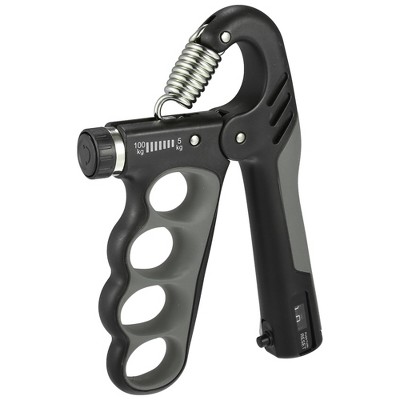
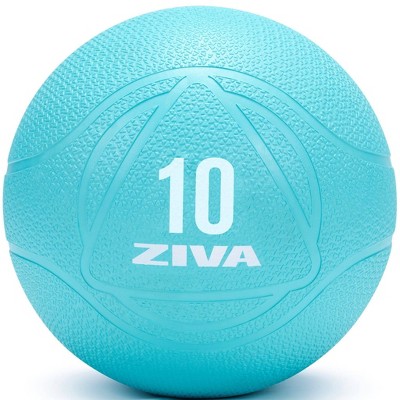
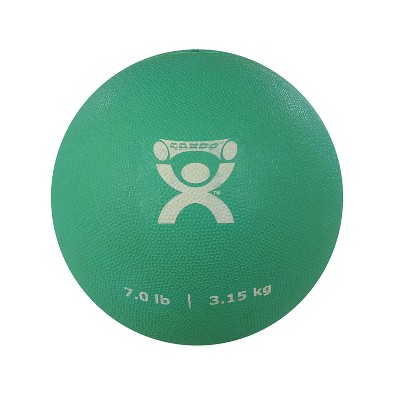
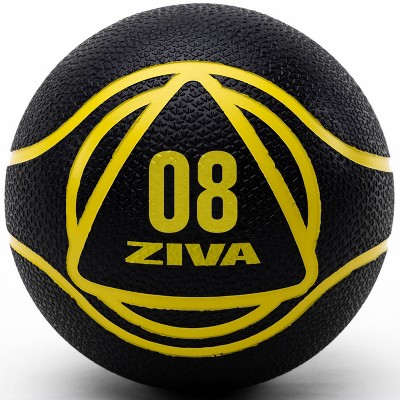
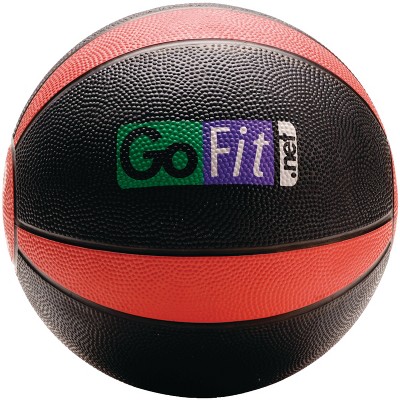
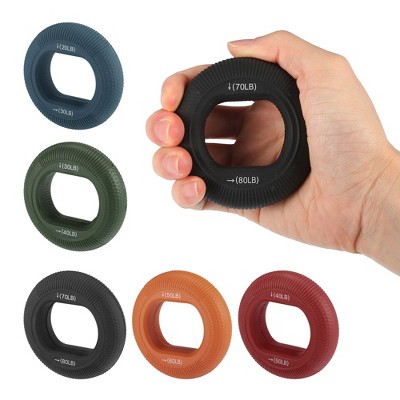
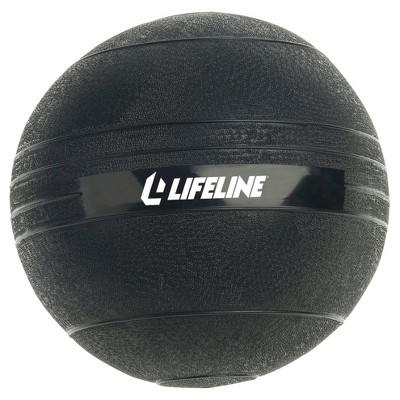
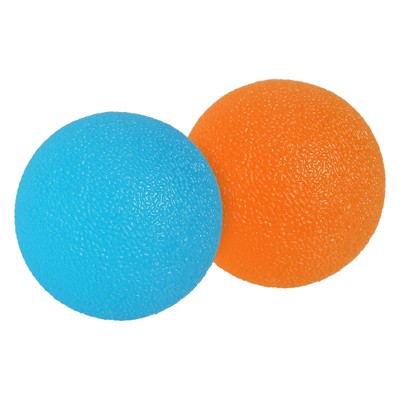
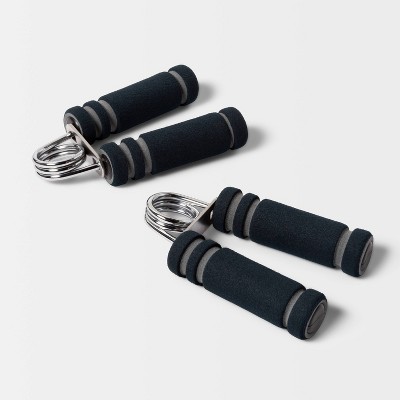
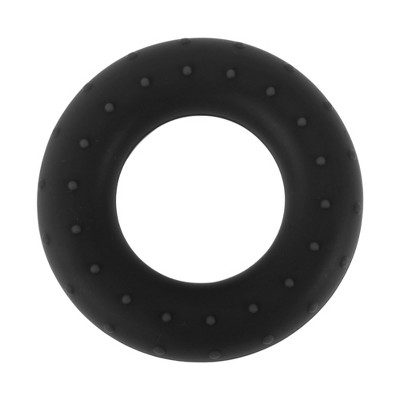
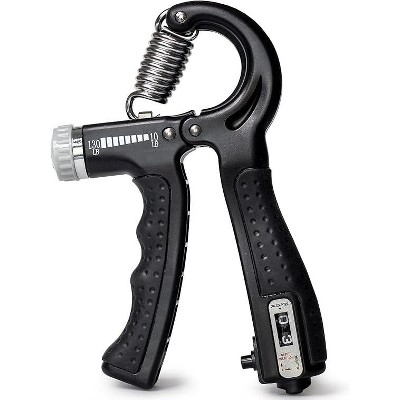
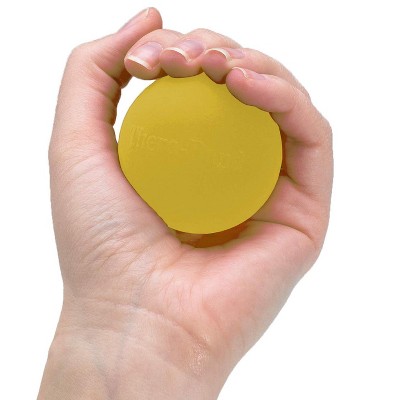
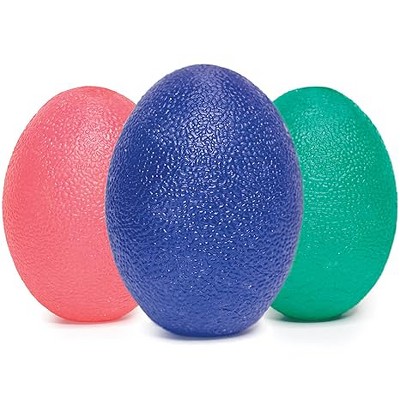
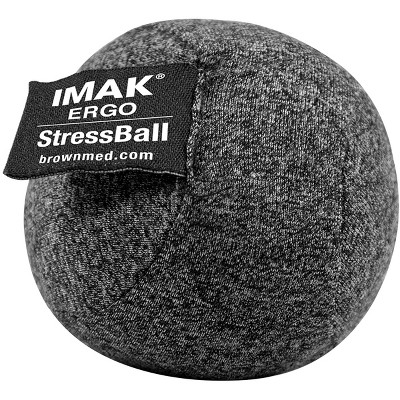
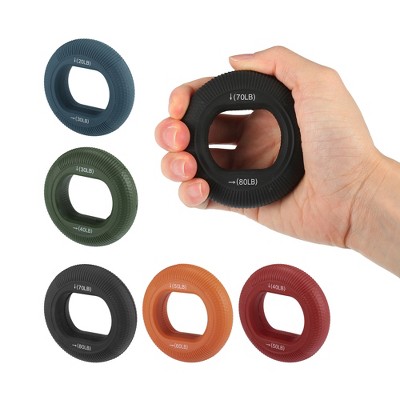
Common types include: small slow‑rising squishy stress/therapy balls for hand exercise and sensory use; engineered resistance grip balls for finger flexibility and strengthening; and sand‑filled weighted slam balls for full‑body and core workouts.
Small stress and exercise balls commonly use thermoplastic rubber (TPR), various plastics, or premium composite materials. Slam/weighted balls typically feature heavy‑duty PVC shells and a sand‑filled core.
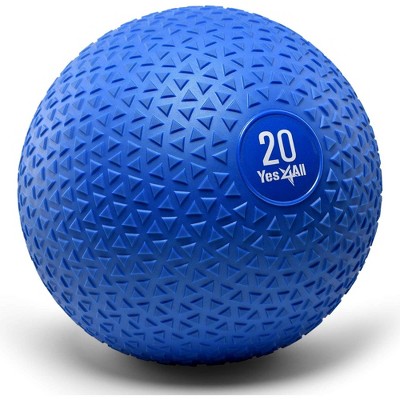
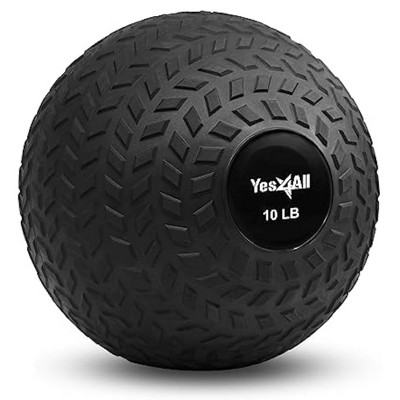
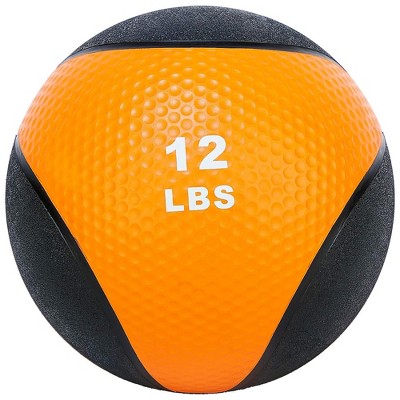
Sizes and weights vary by product and listing. Examples shown include compact diameters for small stress/therapy balls (listings cite values such as 1.6 inches and, in other listings, about 6.3 cm), while slam/weighted balls list diameters roughly in the 8.3–9.6 inch range and weights commonly from 10 to 20 pounds. Check the individual product page for exact dimensions and weight.
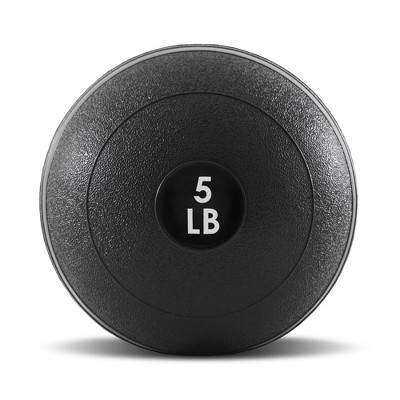
Many slam/weighted balls use a sand‑filled, high‑density core to produce a 'dead' or minimal bounce, combined with a heavy‑duty PVC shell and a textured or threaded exterior to provide a secure, non‑slip grip during intense or sweaty use.
Suitability varies by product. Some stress/therapy balls list a minimum age (for example, 3 years), and many listings describe sizes as comfortable for both children's and adult hands (some cite an example diameter such as 6.3 cm). Always check the product’s recommended age and dimensions to confirm fit for the intended user.
They’re described as highly portable—small and easy to carry—so listings recommend using them at home, in the office, on walks, or in classrooms to relieve stress, improve focus, or support hand exercise routines.