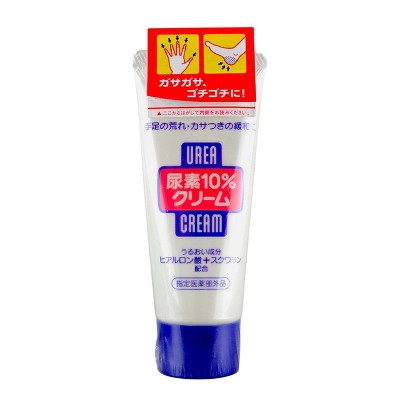
Repair formulas commonly use keratolytics and exfoliants—salicylic acid and urea are typical examples—and some creams include AHAs. Occlusive moisturizers such as petrolatum are also common to lock in moisture.
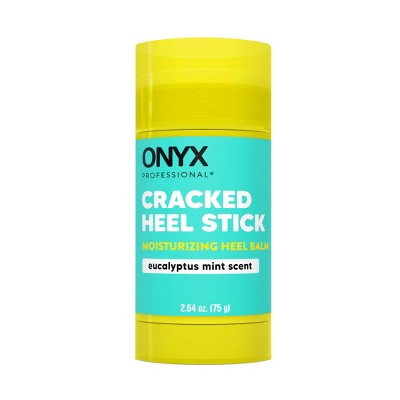
These products primarily target dry and very dry skin, including callused or cracked heels. Many formulas are also suitable for normal, combination, or sensitive skin types; product labels will usually state any specific suitability or restrictions.
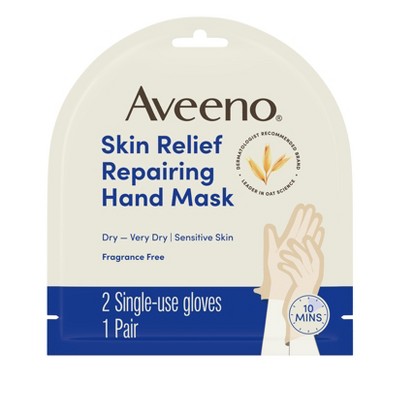
Wear times vary by product: moisturizing sock‑style masks are often worn about 10 minutes, while exfoliating peel booties commonly stay on for 60–90 minutes. Always follow the specific product instructions.
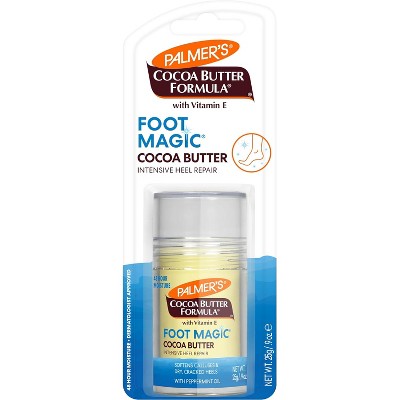
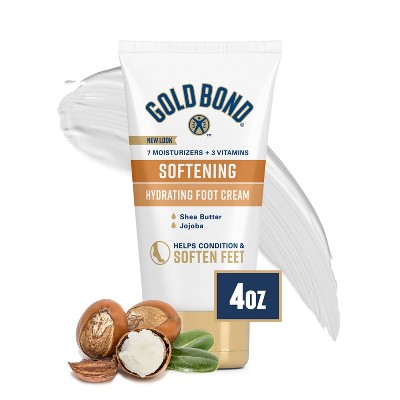
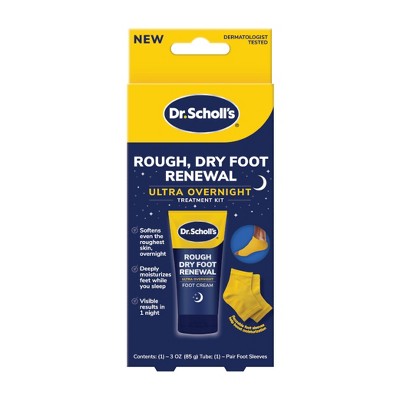
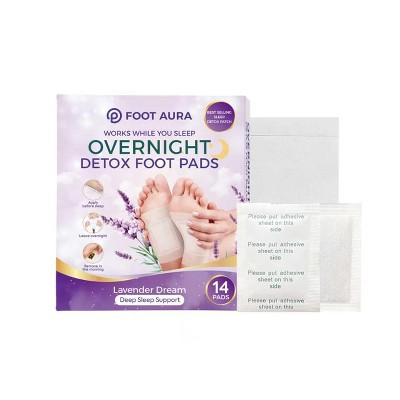
Options include concentrated repair ointments, cream‑based softening foot creams, exfoliating peels (booties or paired treatments), and single‑use mask or bootie treatments that hydrate or remove dead skin.
Apply to clean, dry feet: slip on single‑use booties or mask socks for the product's specified time, then remove and massage any remaining product in. Some moisturizing slippers recommend about 10 minutes; exfoliating booties often list 60–90 minutes. Peeling from exfoliators usually begins several days after treatment and can continue for several days up to about two weeks.
Common moisturizing ingredients include shea butter, oat blends (oat flour, extract, oil), coconut and cocoa butters, vitamins A, C, and E, urea, petrolatum, and various oils. Advertised benefits are hydration, softening and smoothing rough or callused skin, conditioning, and some masks claim longer‑lasting moisture (for example, up to 72 hours).