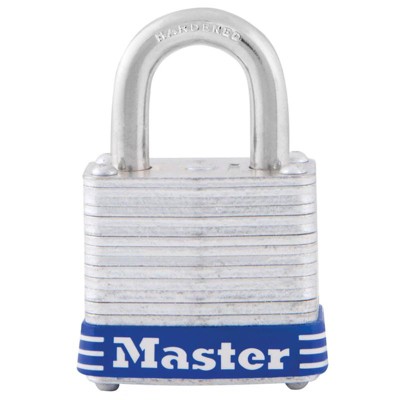
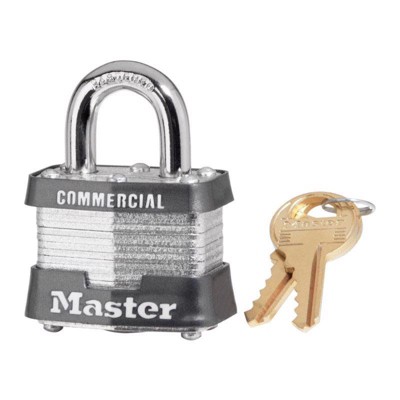
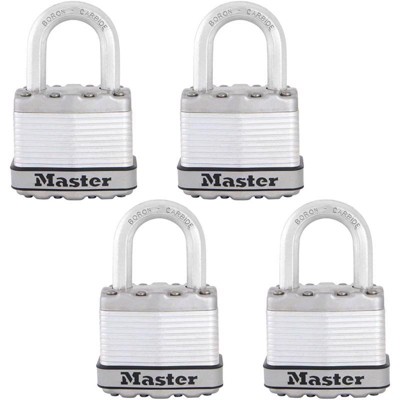
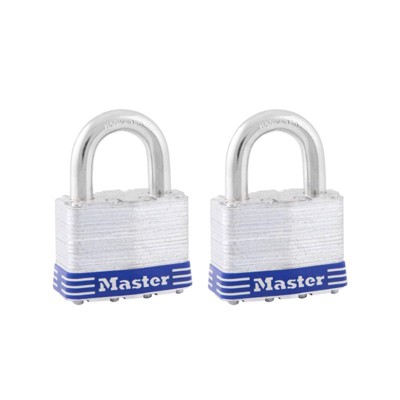
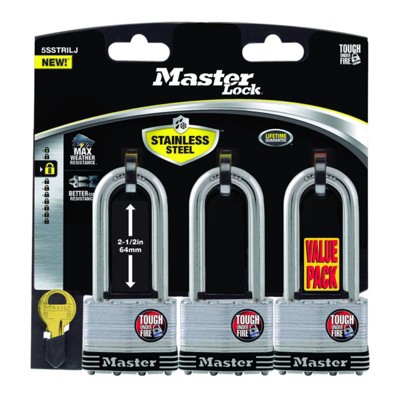
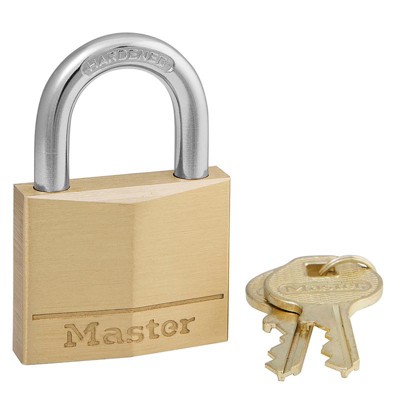
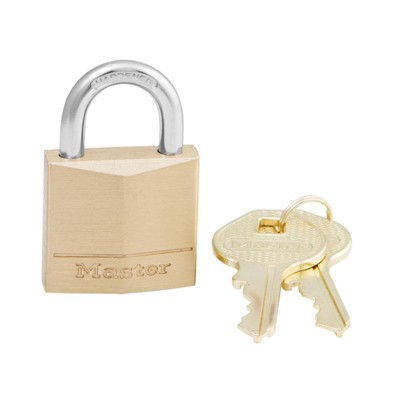
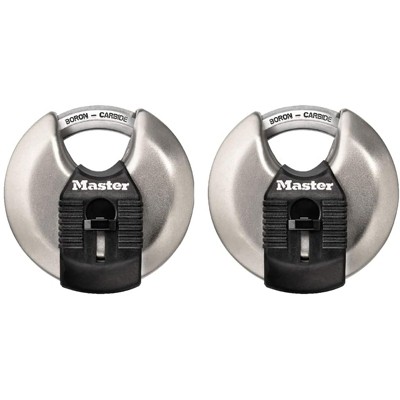
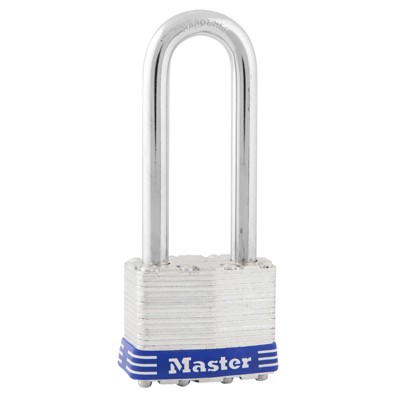
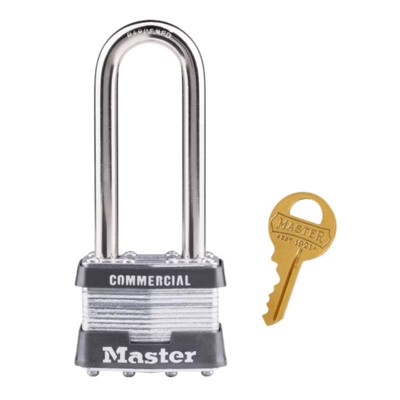
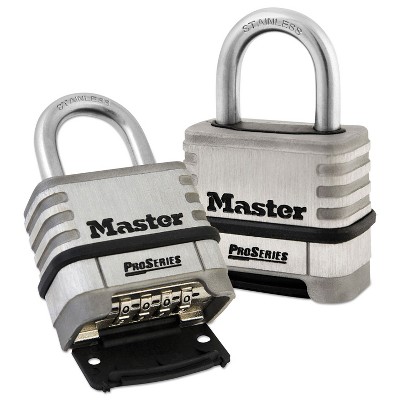
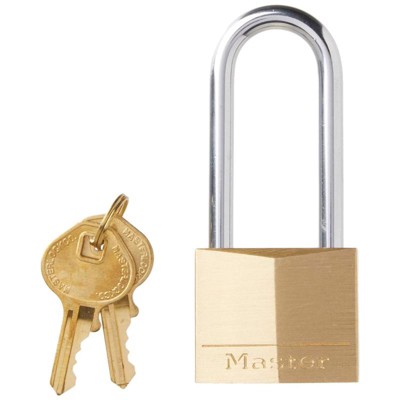
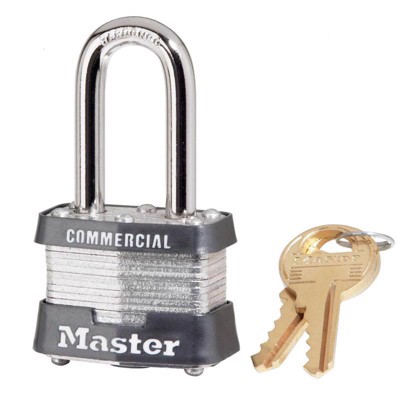
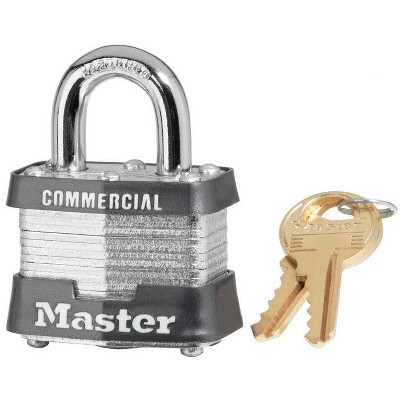
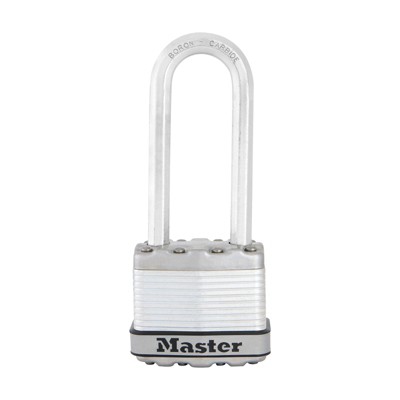
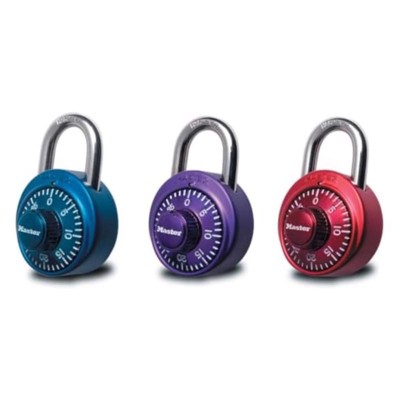
Common materials include laminated steel, zinc alloy, aluminum, and PA (polyamide) bodies; many locks list hardened-steel shackles. Other features cited are stainless-steel covers and vinyl-covered or metal bodies for added surface protection.
Typical uses include securing lockers and cabinets, sheds and gates, and outdoor/security needs such as bicycles, motorcycles, lawn mowers, tools, grills, and similar valuables.
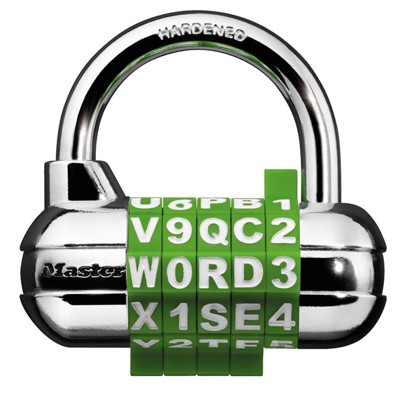
Combination options shown include preset three-digit dials, user-resettable (set-your-own) combinations, four-digit dials (offering many possible codes), and standard dial-style combination locks.
Chain locks are typically made from forged steel with much larger diameters (for example, about 9.5 mm) and often include a protective sleeve. Padlocks generally use hardened-steel shackles that are thinner—for many locker- and security-style padlocks that is roughly 6–7 mm in diameter.
Common mechanisms include double‑locking (dual) lever systems, warded locks, and pin‑tumbler cylinders. Some models also advertise automatic locking or anti‑shim features.
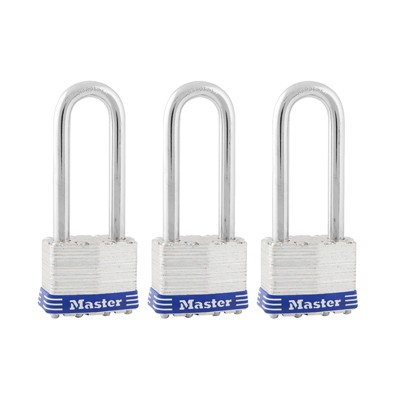
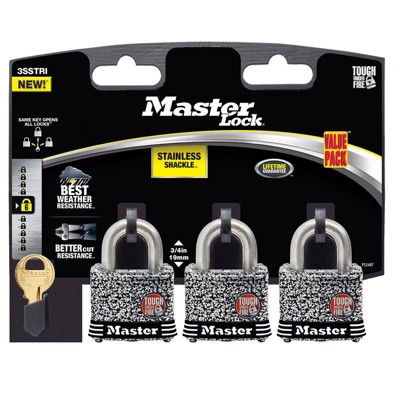
Available quantities range from single padlocks to small multi‑packs (commonly 2 or 3 per package) and larger lockout kits—one listed kit contains 58 pieces.
Many padlocks use vinyl‑covered or metal bodies for scratch and corrosion resistance. Chains commonly have a soft protective sleeve to prevent scratches, and some combination locks note a stainless‑steel cover for added surface protection.