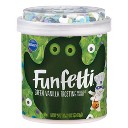
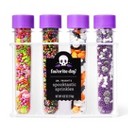
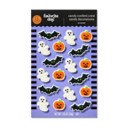
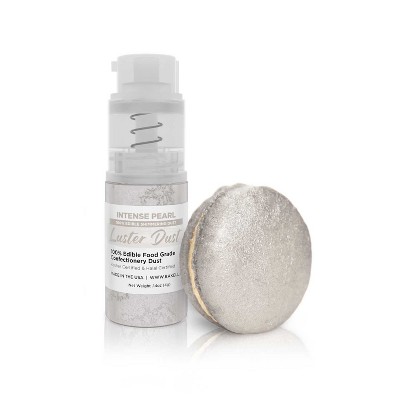
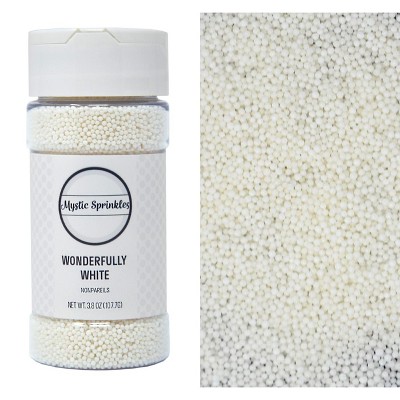
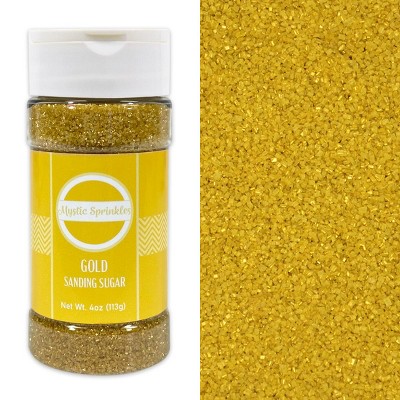
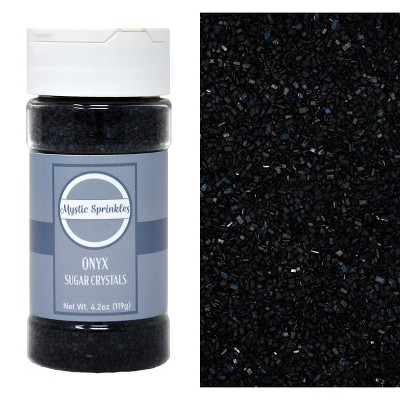
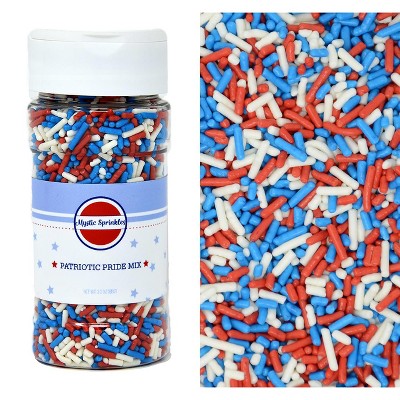
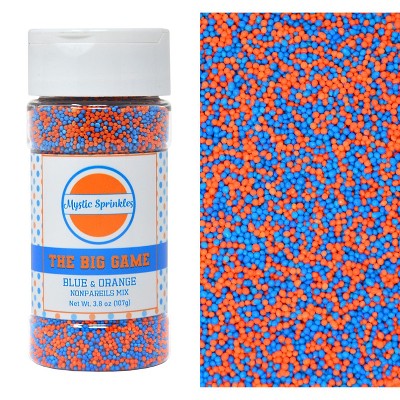
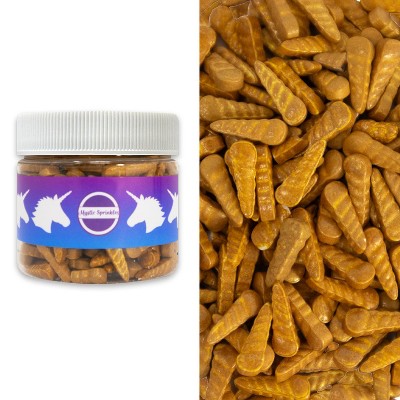
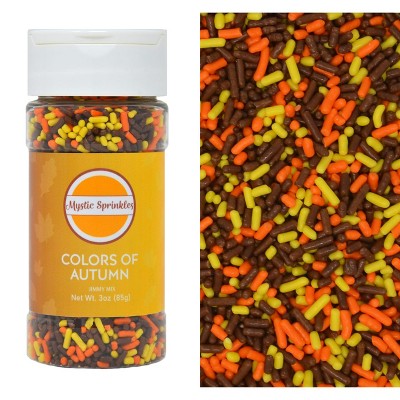
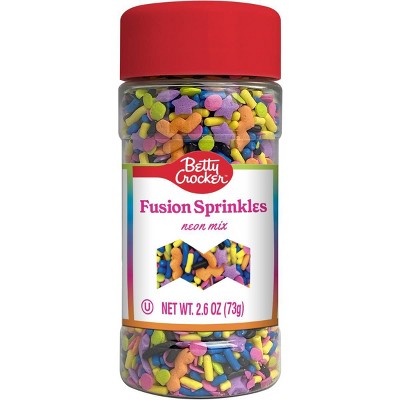
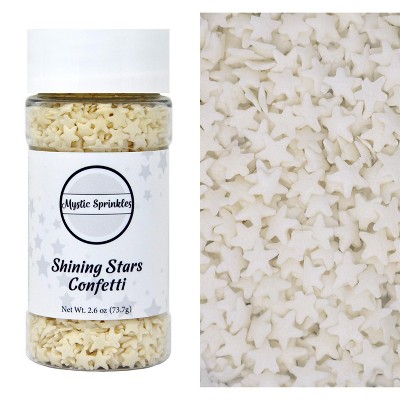
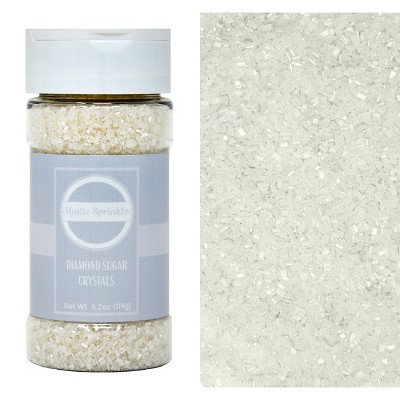
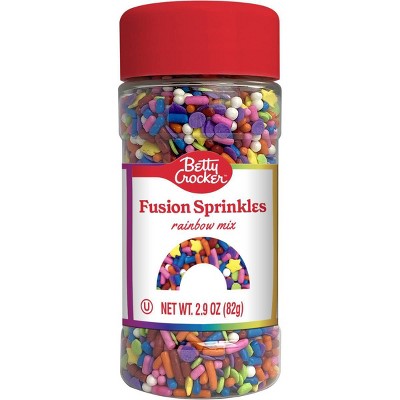
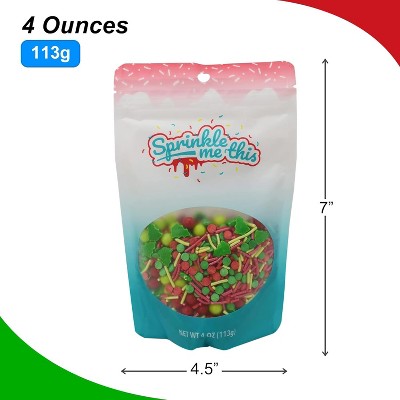
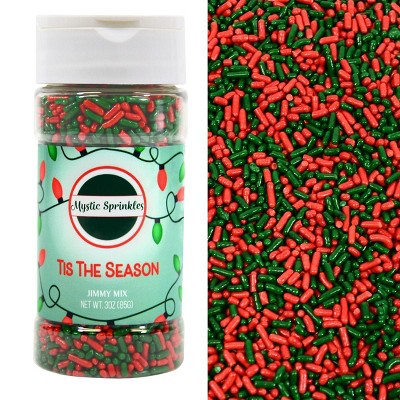
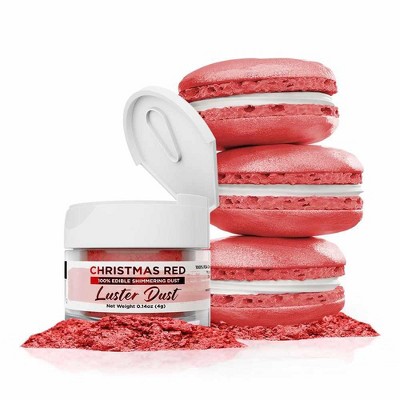
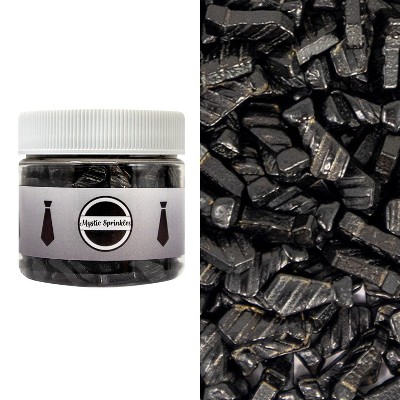
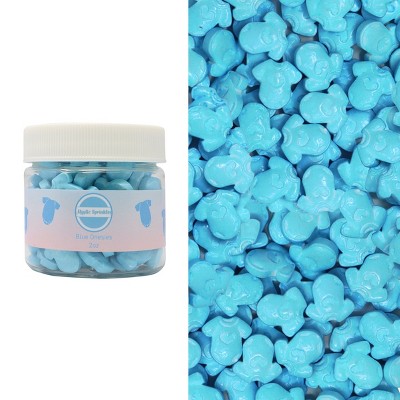
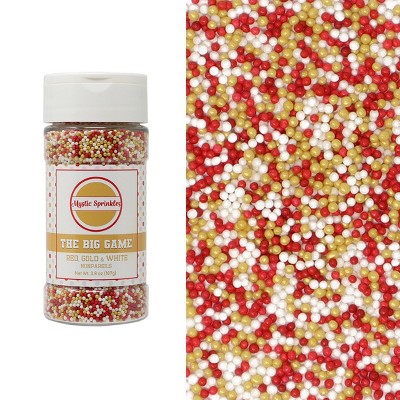
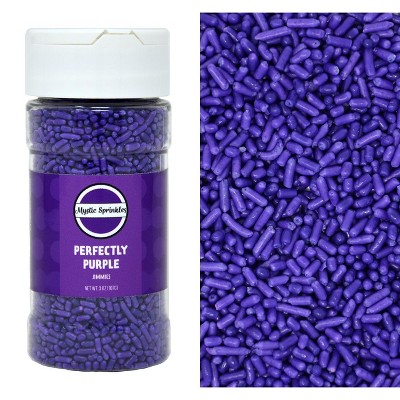
Common forms include ready-to-eat sprinkles, powdered luster dusts or glitters, and ready-to-use whipped frostings — each suited to different looks and decorating techniques.
Product listings commonly note dietary/allergen information such as gluten-free, dairy-free, vegan, nut-free, and whether items are produced in kosher- or Halal-certified facilities.
Luster dusts are ultra-fine powders that create a pearlescent or metallic sheen, while glitter-style decorations use larger, mica-based particles for a bolder, sparkly effect.
They’re usually sprinkled directly onto icing. Some products come in spray pumps for even coverage or flip-cap dispensers for more precise dusting. Fine luster dusts can also be dry-brushed on or mixed with a clear extract to paint details.
Classic holiday shades like red and green are common, and some lines offer extensive color ranges (50+ shades). Finishes range from bold glitter sparkle to fine pearlescent or metallic sheens.
Coverage information is inconsistent: some items list serving sizes or coverage (for example, an advent-calendar item lists 1.5 teaspoon servings and a frosting tub notes it decorates about 24 cupcakes), while others provide no explicit coverage details.
Look for resealable packaging to keep sprinkles fresh, flip-cap dispensers for precise placement, and spray pumps for smoother, more even coverage.
Edible glitters are also used on fruit and other desserts, as beverage garnishes (cocktails, mocktails, juices, teas, coffee), and even for crafts.
After opening, refrigerate canned frosting and use within up to 2 weeks, per the product details.