led light strip for tv
Guests also ask:
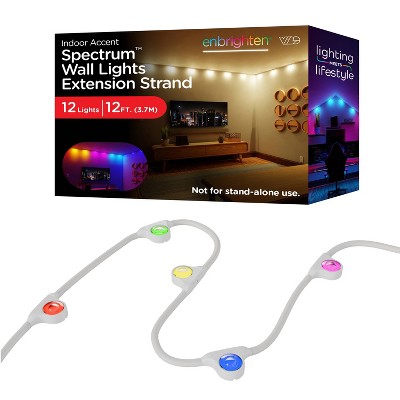
Most TV LED strips attach with adhesive backing. Many kits also include mounting clips or brackets for corners and TV-specific brackets sized to TV dimensions. Strips are flexible or bendable for corner fitting—check the product listing to confirm which mounting accessories are included.
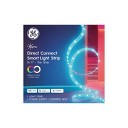
It varies by model. Some smart strips connect directly via Wi‑Fi or Bluetooth with no hub required, while other features—especially TV screen-sync or ecosystem integrations—may need a dedicated bridge or an HDMI sync box. Always check the product specs for any required hub or accessory.
Yes—some strips let you adjust white tones across a wide color‑temperature range. Manufacturers commonly list ranges from about 2000K (warm) up to 7000K (cool). Verify the exact Kelvin range in the product specifications.
Many TV LED strips offer app-based control and hands‑free voice control via smart assistants, and they commonly connect over Wi‑Fi. A subset of models also supports Bluetooth connectivity. Check the product description for supported control methods.
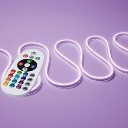
Options range from full multicolor support (some models list up to 16 million colors) to RGBIC segmented color effects. Common dynamic presets include chasing, fading, strobe/flash, and music‑sync. Some strips also offer adjustable white tones (for example, roughly 2000K–7000K).
Audio‑based music sync uses a built‑in microphone or app analysis to match lights to sound. TV screen‑sync typically relies on an HDMI sync box that captures HDMI content and produces real‑time, color‑accurate lighting that follows on‑screen colors. Check product details to see which sync method is used.