locking medicine box
Guests also ask:
Power options vary by model. Some reminder-enabled boxes require batteries (one listing specifies 4 AA; another notes “Battery: Required, Not Included”), while other organizers are battery-free.
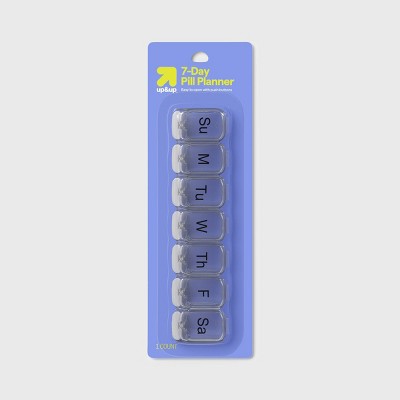
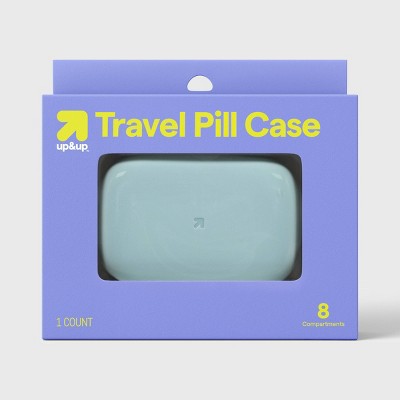
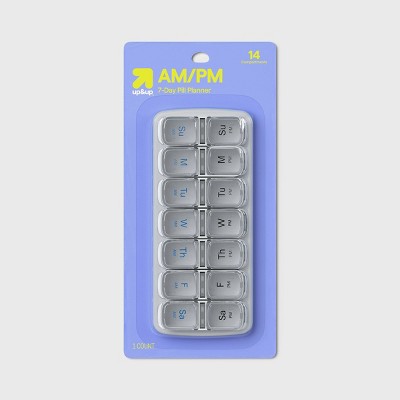
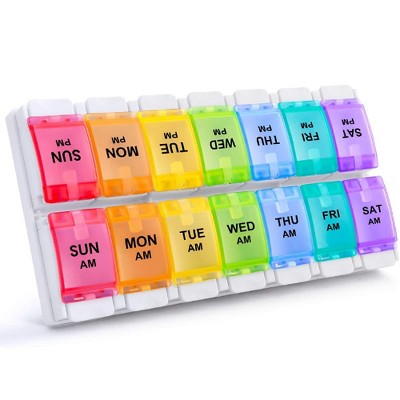
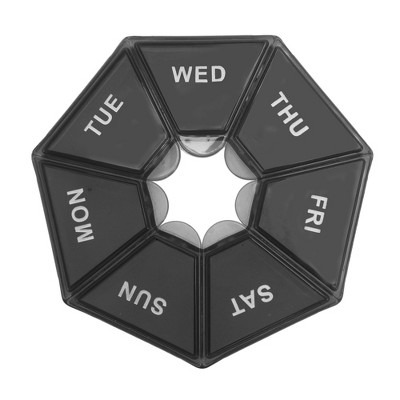
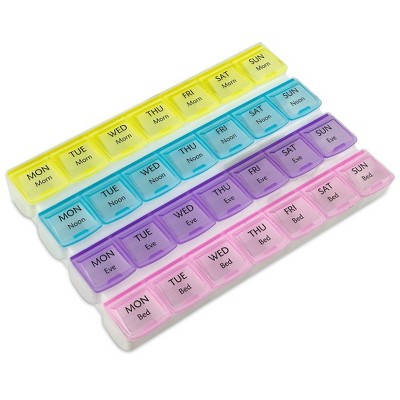
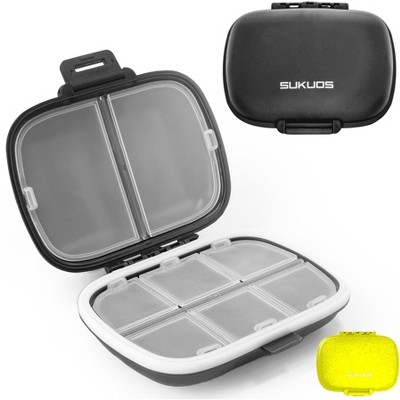
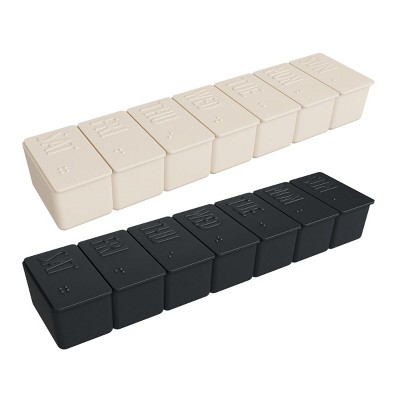
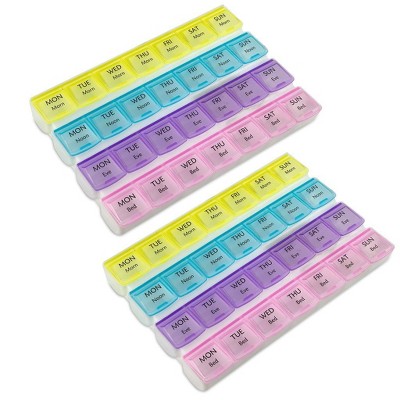
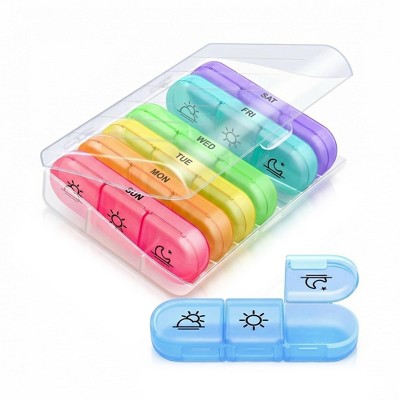
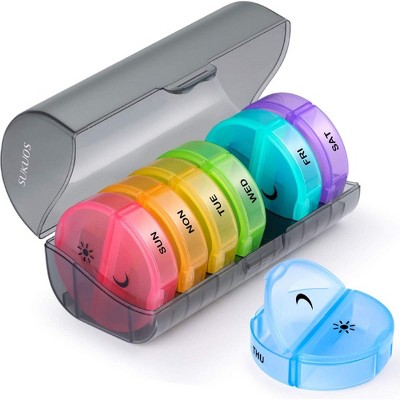
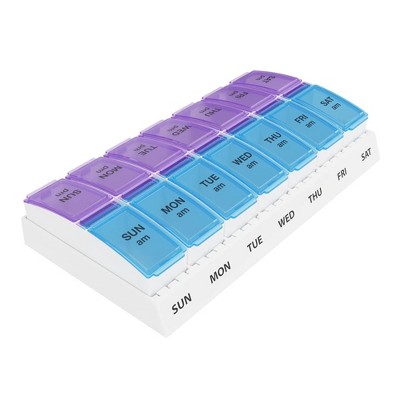
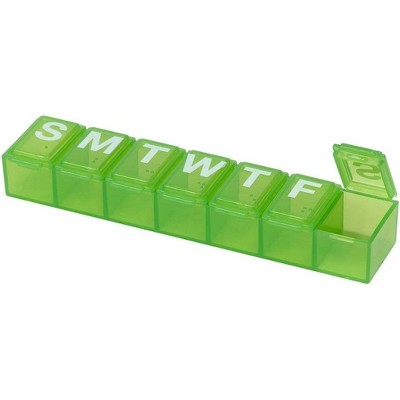
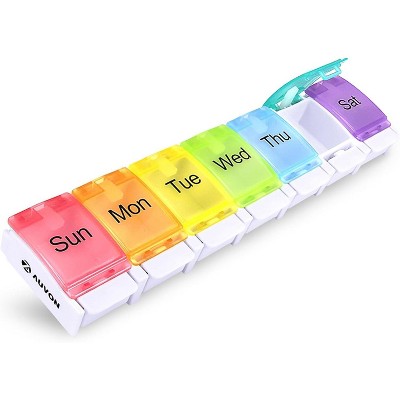
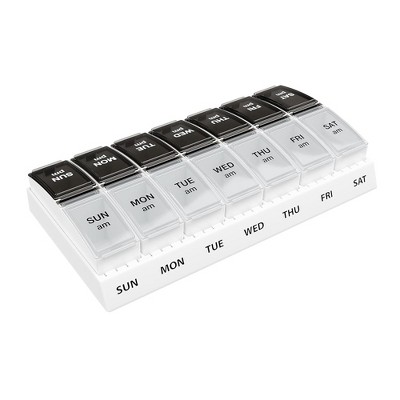
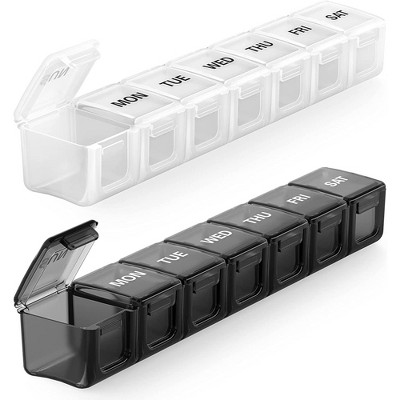
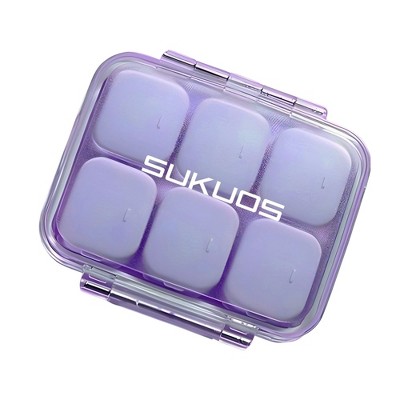
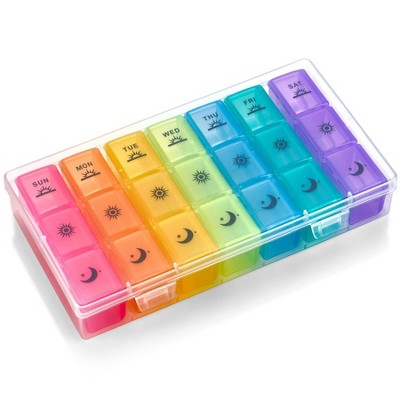
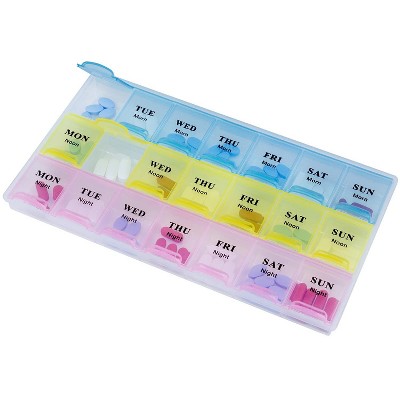
Counts vary widely to suit different needs: multi-week carousels with 28 slots; weekly organizers with seven compartments; foldable cases with six small plus one large compartment; and travel cases with eight partitions.
Care instructions depend on the product: many small organizers recommend hand washing or spot-cleaning with a wipe; some travel cases are dishwasher-safe; and larger cabinets are typically cleaned with a brush.
Common lock types include keyed locking covers, combination or handle locks, and electronic access (programmable keypads or fingerprint scanners). Some heavier-duty units combine electronic access with a physical key lock.
Options include wall-mountable cabinets, portable boxes with handles or compact travel/pocket-sized organizers, and heavier safes that come with hardware for wall or floor mounting.
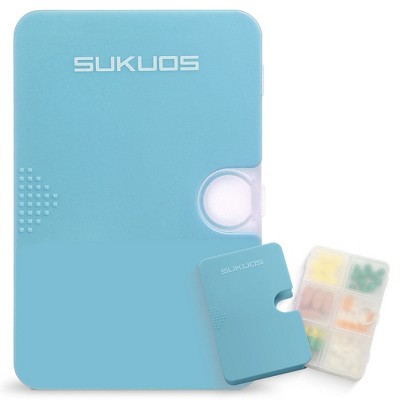
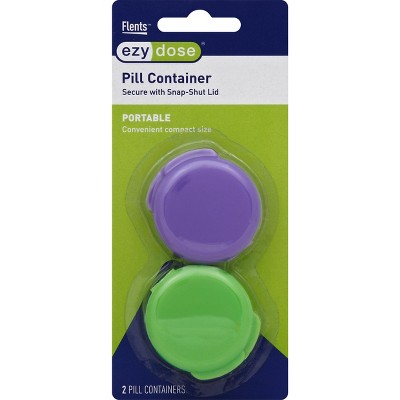
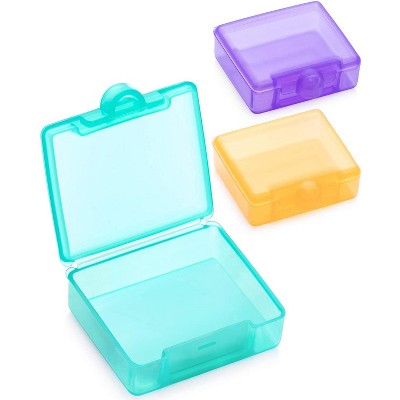
Common closure styles include magnetic closures, snap-lock or small lidded compartments, latch-style closures, and lockable lids or covers on larger boxes.
They’re designed for medications and supplements (pills, tablets, capsules, vitamins) and for first-aid supplies such as bandages, cleaning solutions, antibiotic ointments, gloves, sterile gauze pads, and cotton swabs.