Target New ArrivalsBack to SchoolCollegeClothing, Shoes & AccessoriesHome & DecorKitchen & DiningOutdoor Living & GardenGroceryHousehold EssentialsBabyBeautyPersonal CareSports & OutdoorsHealthWellnessSchool & Office SuppliesToys & GamesElectronics & TechVideo GamesMovies, Music & BooksParty SuppliesGift IdeasGift CardsPetsUlta Beauty at TargetShop by CommunityTarget OpticalDealsClearanceNew ArrivalsBack to SchoolCollegeTop DealsTarget Circle DealsWeekly AdShop Order PickupShop Same Day DeliveryRegistryRedCardTarget CircleFind Stores

max ernst art

226 results for “max ernst art”
Subject to Justice - by  Max Jorge Cruz (Paperback)

$18.00
Release date Tue, Oct 13
Ships free -

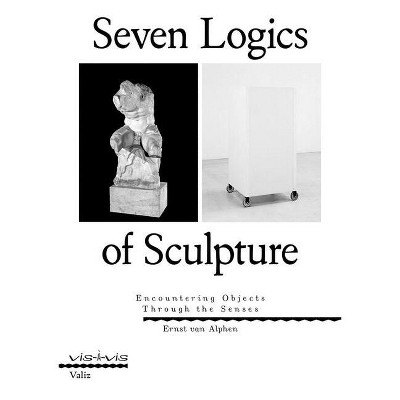
Trauma and Affect - by  Ernst Van Alphen (Paperback)

$32.50
Release date Tue, Sep 8
Ships free -

Sponsored

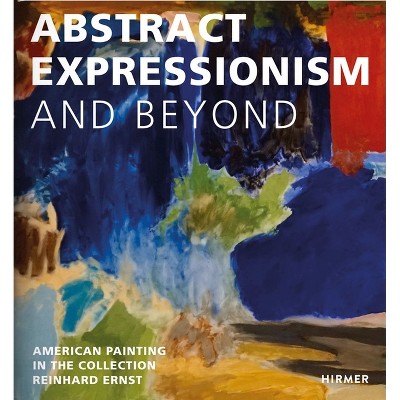
Abstract Expressionism--And Beyond - by  The Reinhard & Sonja Ernst Stiftung Foundation (Hardcover)

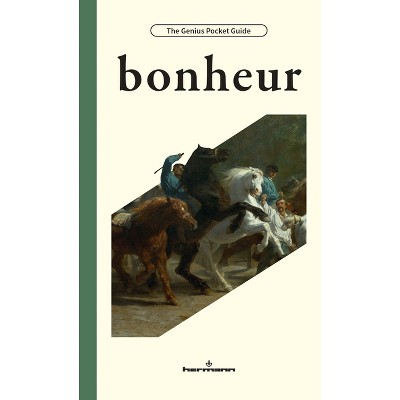
Bonheur - (The Hermann Genius Pocket Guide) by  Rosa Bonheur (Paperback)

$10.99
Release date Wed, Sep 30
Ships free -
Sponsored

Powered by AI

Guests also ask:

Max Ernst produced a varied body of work including paintings, drawings, sculpture, texts, stage designs, and collage novels. He also developed the frottage technique.

Max Ernst is linked to Dada and Surrealism—he is described as a pioneer of Dada and a key figure in the Surrealist movement.

Ernst used collage techniques in his collage novels and developed the frottage technique; these methods were part of his broader experimental practice.

Max Ernst was German-born (1891–1976). He emigrated during World War II, later became an American citizen in 1948, and then a French citizen in 1958; he also returned to live in France after the war.

The books emphasize Modern-era themes (noted as “Modern — late 19th Century to 1945”) and focus on Ernst’s roles in Dada and Surrealism, including his artistic responses to World War I.

The collage novels are described as works that combine Victorian-era engravings with enigmatic captions to create mysterious, surreal dream worlds. They’re regarded as seminal or classic pieces in modern art history.

Ernst used engravings from Victorian-era books and magazines, pairing those images with enigmatic captions to build surreal narratives.

Get top deals, latest trends, and more.