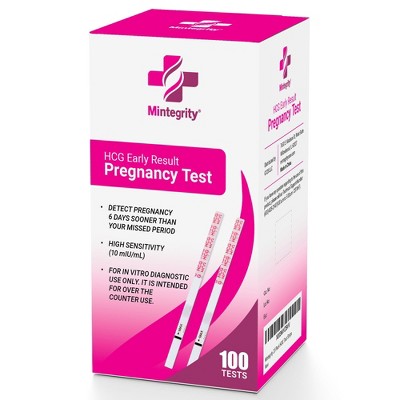
Result time varies by product and format; most tests produce results in roughly 3 minutes up to about 20 minutes depending on the test type.
Most trackers detect luteinizing hormone (LH). Some devices also report an estrogen metabolite (E3G) and a progesterone metabolite (PdG). Note that separate pregnancy tests detect hCG.
Trackers may identify anywhere from the two most fertile days up to a six-day fertile window. Urine LH detection typically provides an advance indicator of ovulation about 24–48 hours before ovulation.
Some products sync or upload test data to a companion smartphone app for tracking and interpretation. App features can include photo upload/scan of tests and app-displayed results for camera-read stick tests.
Strip tests are read by comparing the test line to the control line: a test line that is as dark as or darker than the control line indicates a positive LH surge. Follow the dip timing and read-window instructions provided with the test.
Digital monitors can report numeric hormone scores and cycle trends, track multiple hormones (LH, E3G, PdG), provide an extended fertile-window view for irregular cycles, and sync with a companion app for analysis and record-keeping.
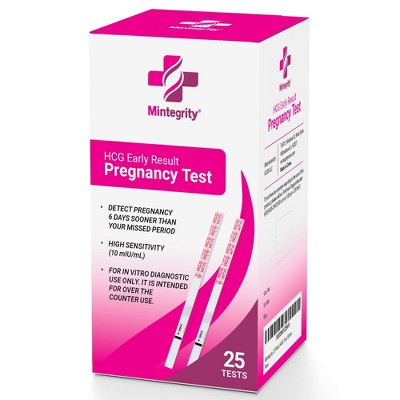
![Mintegrity - [25 Pack] Ovulation LH Fertility Test Strips](https://target.scene7.com/is/image/Target/GUEST_09e6f642-1e0b-444e-9e2b-8ad97d900ec5)
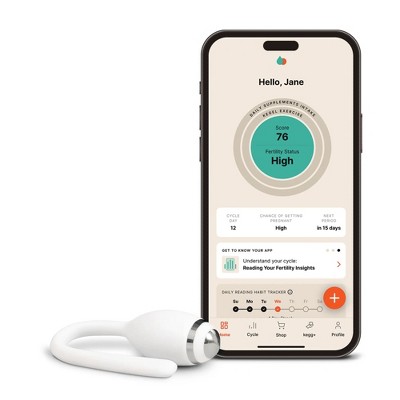
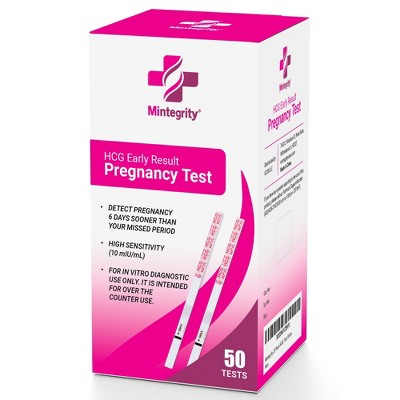
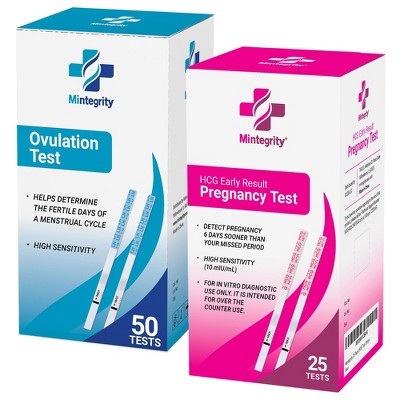
![Mintegrity - [50 Pack] Ovulation LH Fertility Test Strips](https://target.scene7.com/is/image/Target/GUEST_e041bb3a-f4c8-4185-936e-efca4fdc2dee)
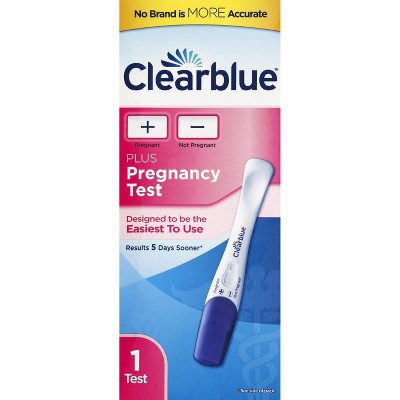
![Mintegrity - [75 Pack] Ovulation LH Fertility Test Strips](https://target.scene7.com/is/image/Target/GUEST_93217a64-18da-4e27-b1af-5b81dd218381)
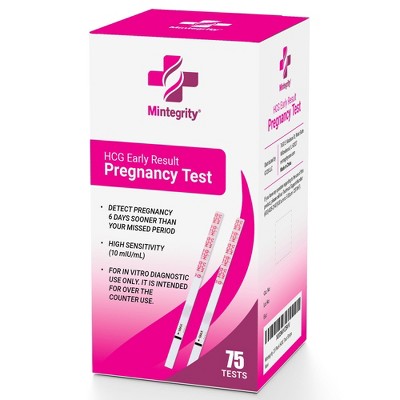
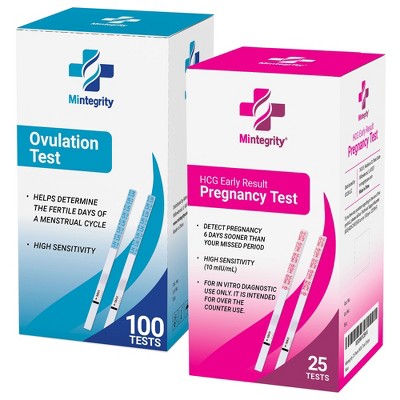
![Mintegrity - [100 Pack] Ovulation LH Fertility Test Strips](https://target.scene7.com/is/image/Target/GUEST_c4d578ad-fa4b-4687-a8bf-929944ce0649)