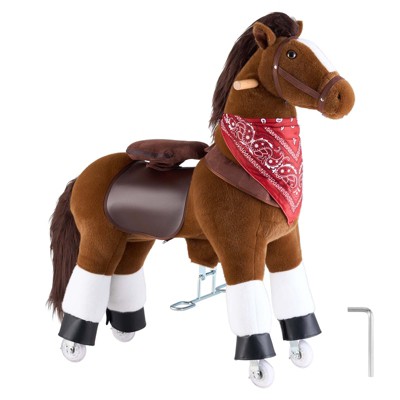
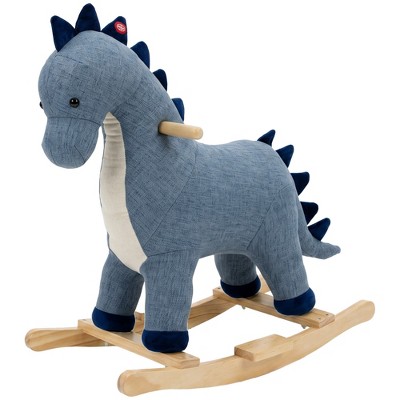
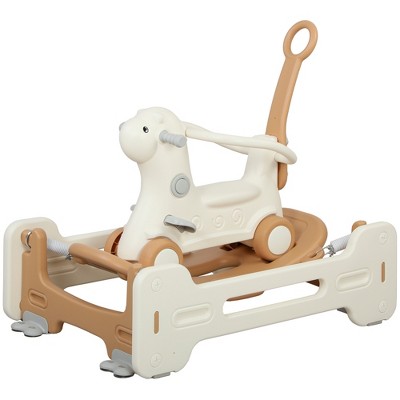
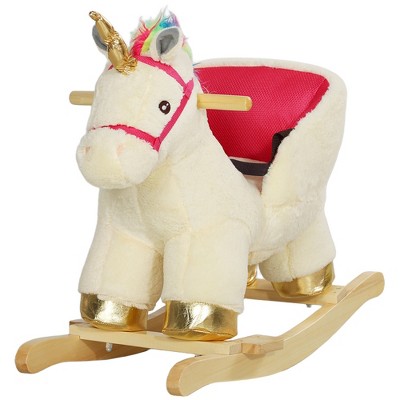
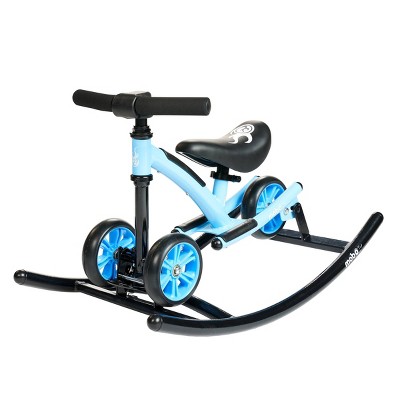
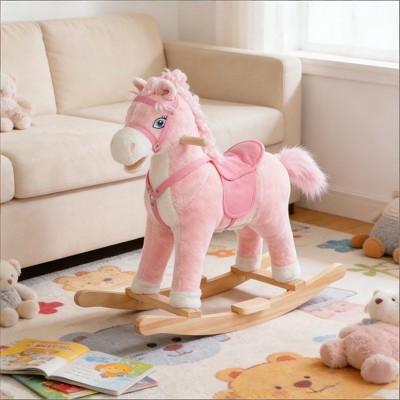
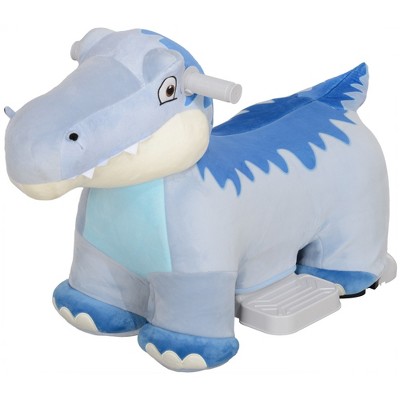
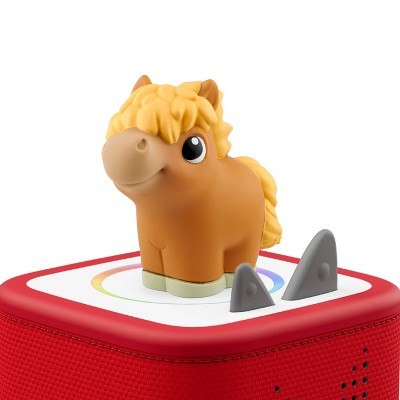
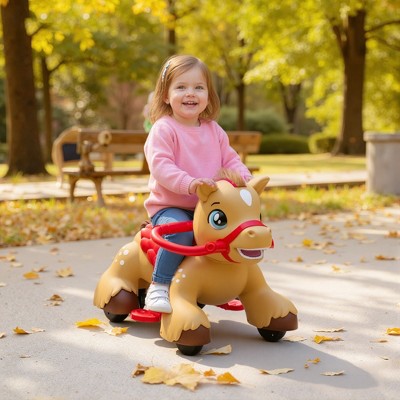
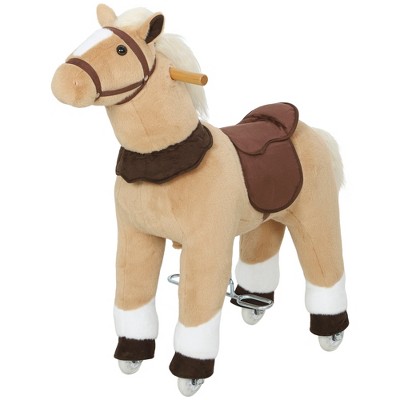
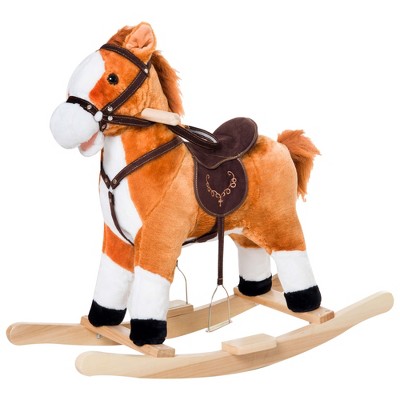
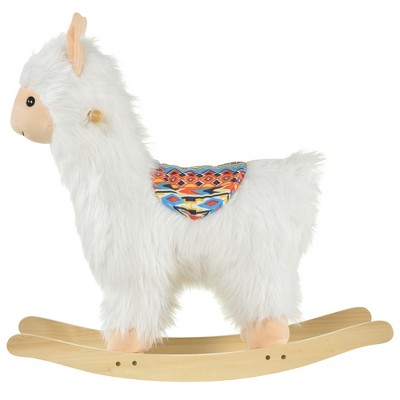
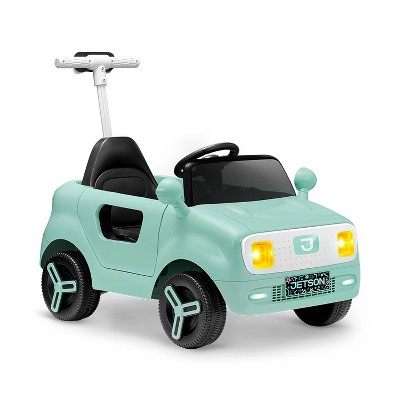
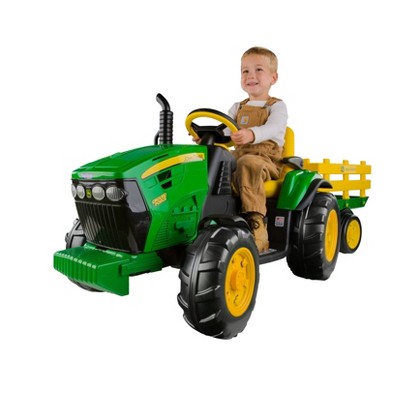
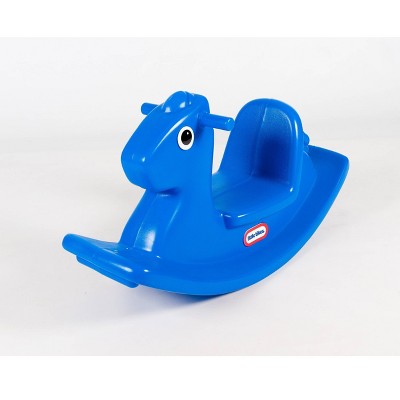
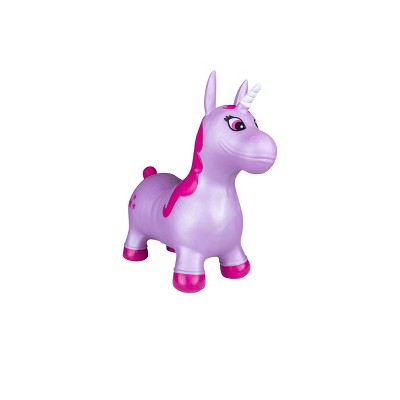
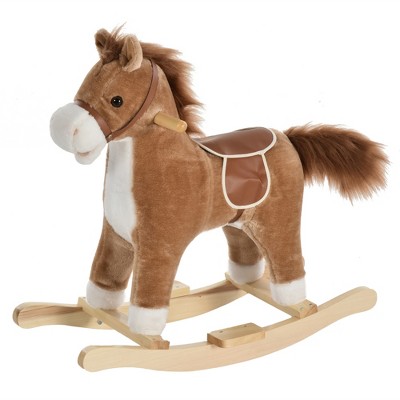
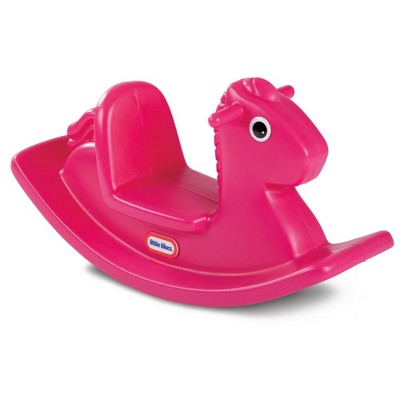
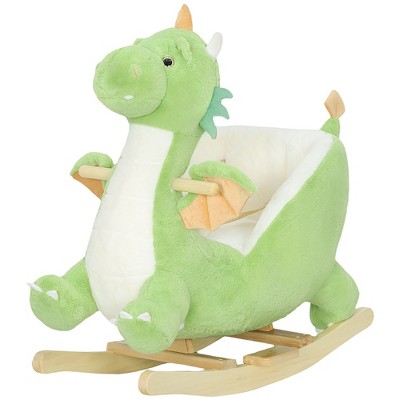
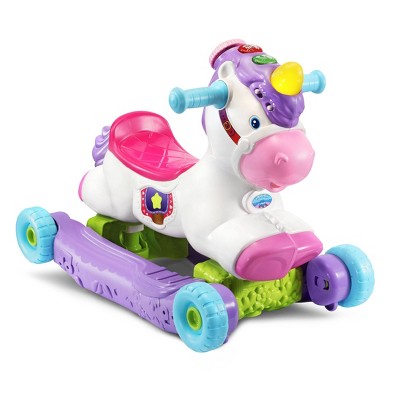
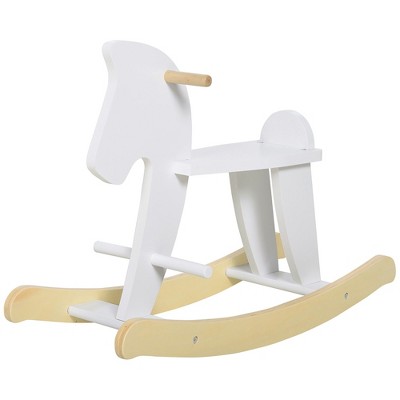
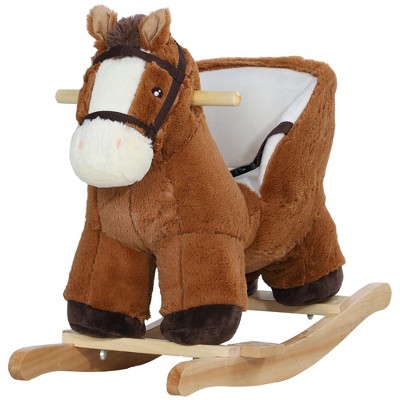
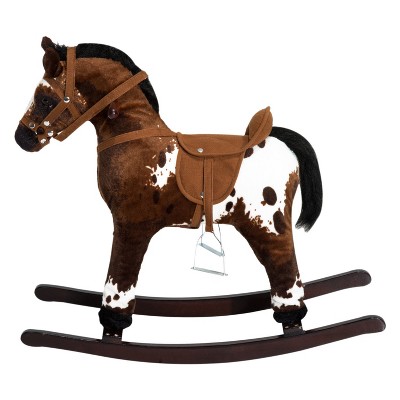
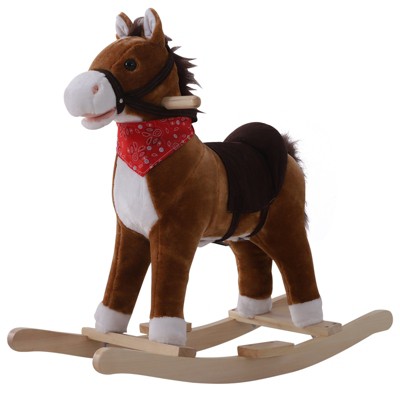
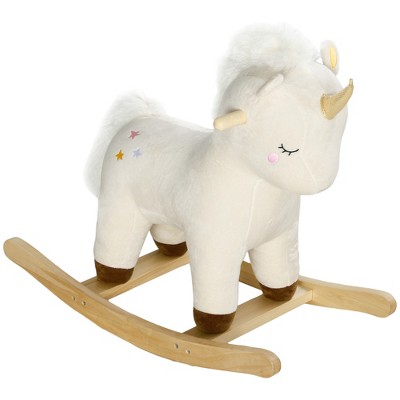
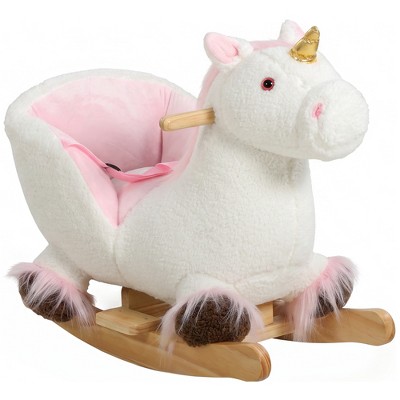
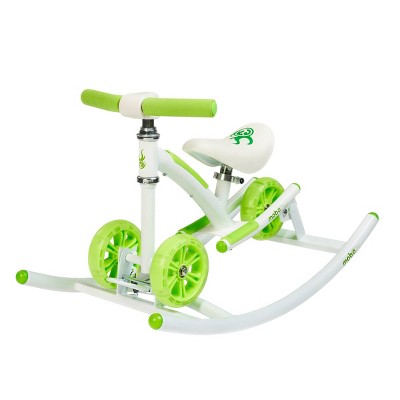
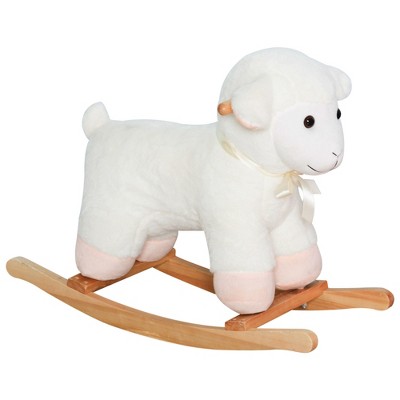
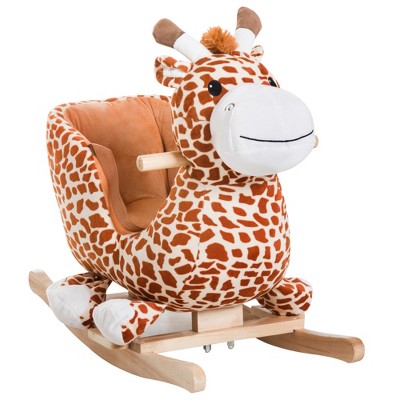
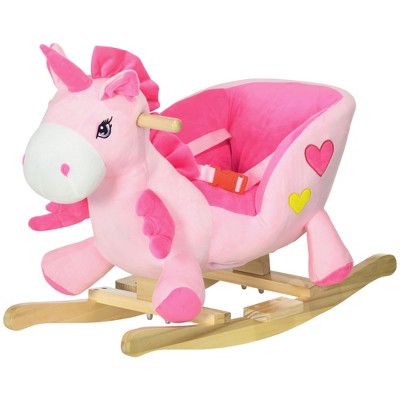
Riding horse toys cover a wide span: many models are sized for toddlers (about 18 months–3 years), a large portion target preschoolers (3 years and up), and a few larger options are made for older children or teens (around 10 years and up). Some listings cite unusually broad ranges (for example, 0–18 years).
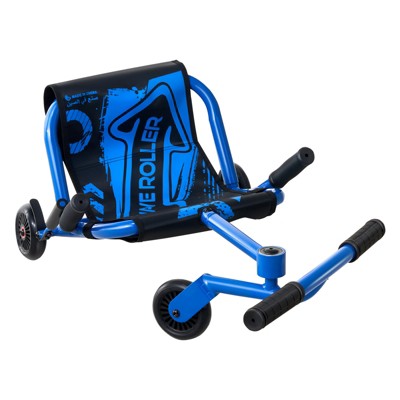
Weight capacity varies by model: toddler ride-ons commonly list around 60–66 lb, mid-size models for older children often list roughly 100–132 lb, and some larger ride-on scooters or models advertise capacities up to about 198 lb. Always check the product’s listed maximum weight before buying.
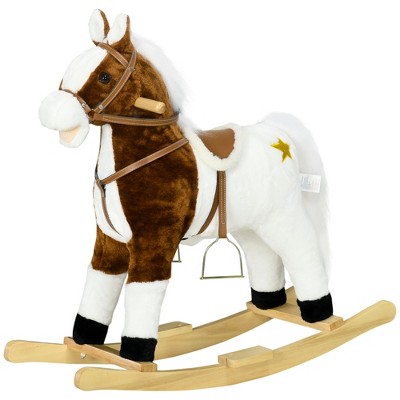
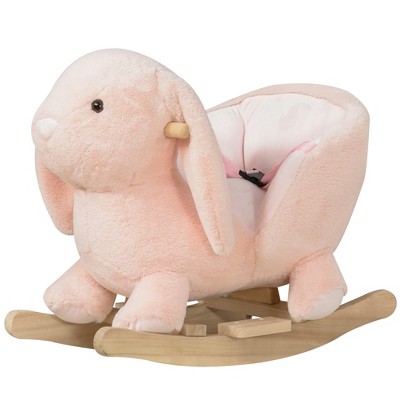
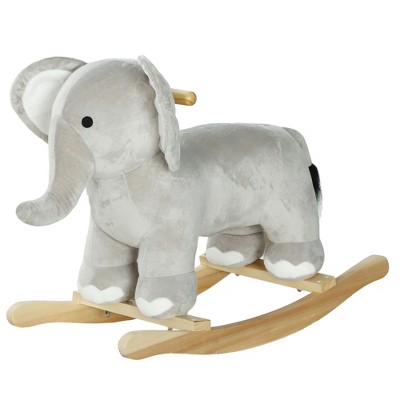
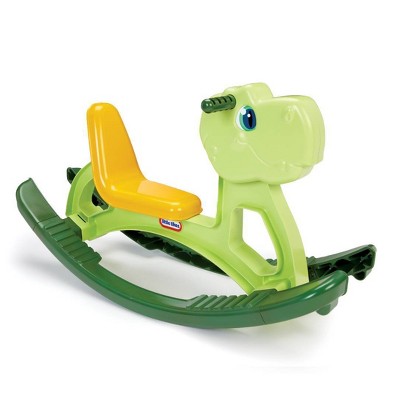
Common materials include molded plastics (for example polypropylene/PP and HDPE), soft covers and plush fabrics with polyester or polypropylene fill, and structural components in wood and metal (such as steel frames or wooden rockers).
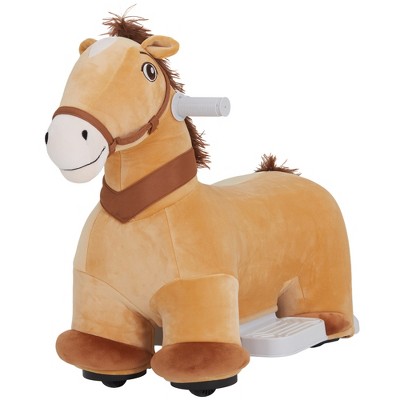
Models range from non-powered/manual toys to battery-powered and motorized options. Battery types include standard AA cells for simple electronics and rechargeable packs for motorized units (some listings specify 6V rechargeable batteries—e.g., 2 × 6V 4.5Ah—or lead-acid–style batteries).
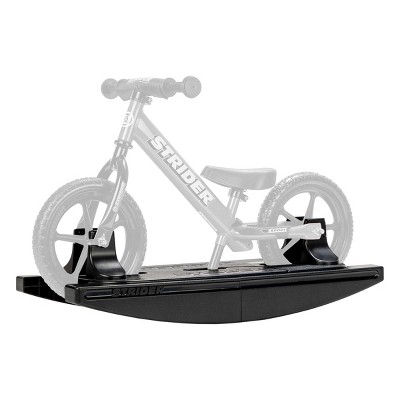
Many riding horse toys offer multiple play modes: rocking, parent-guided push-handle riding, balance-bike or balance-board use, and motorized drive modes (forward/reverse). Some also feature a simulated up‑and‑down ‘horse riding’ motion and simple pedal/drive functions.
Listings indicate these toys are suited to smooth, hard indoor floors and many hard outdoor surfaces—for example, wood floors, tile, asphalt, concrete, and brick paths or roads. Check the product description for any surface limitations.