USB‑C and Thunderbolt docks commonly add high‑resolution video outputs (examples in listings include 4K and 8K support and multiple display modes) and wired networking such as Gigabit or 2.5 GbE Ethernet. Many docks also include memory card slots for direct access to SD or microSD cards.
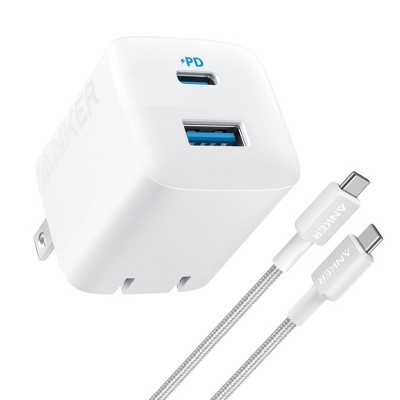
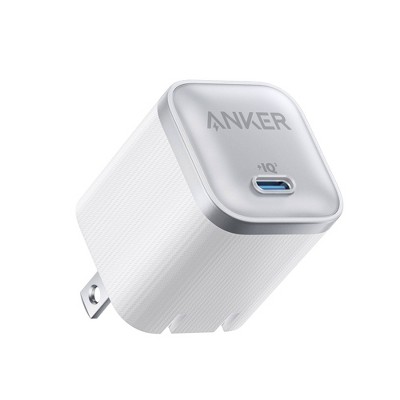
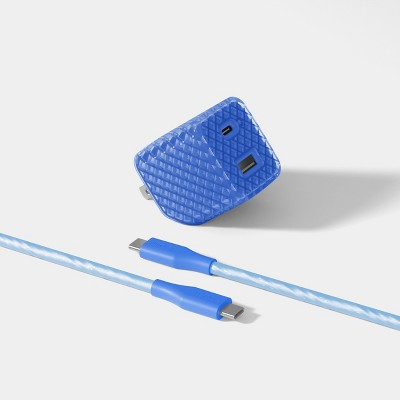
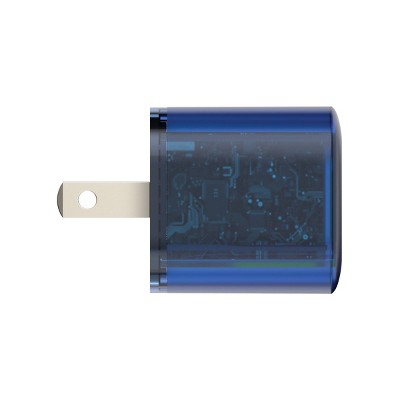
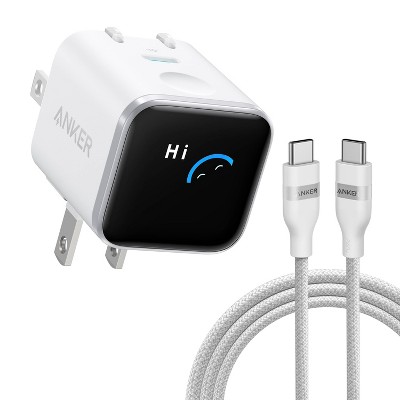
Travel‑friendly chargers and car adapters often use compact, lightweight designs and foldable or retractable prongs. Some car chargers include retractable cables or integrated displays to reduce clutter and make storage easier.
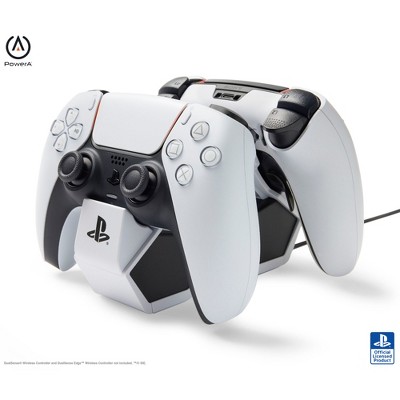
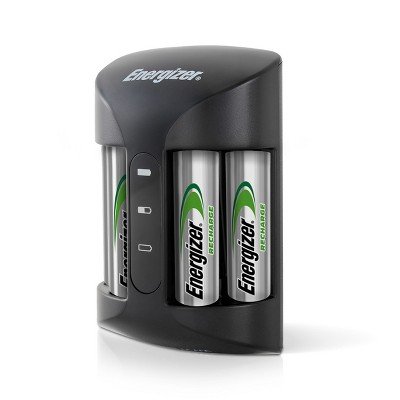
Specialized charging stations add convenience features such as per‑controller charge indicator LEDs, weighted or slide‑in bases for stability, low‑profile LED readiness indicators, and, in some car units, battery voltage displays.
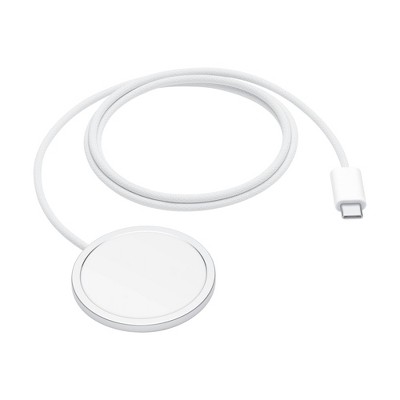
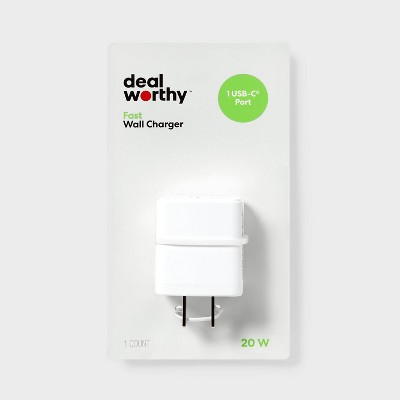
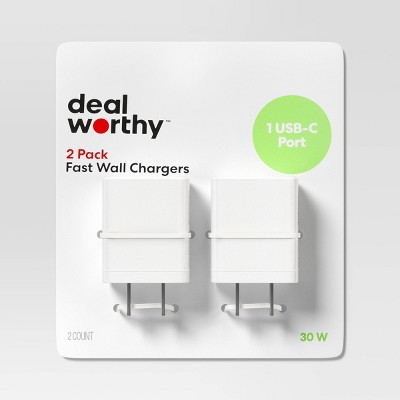
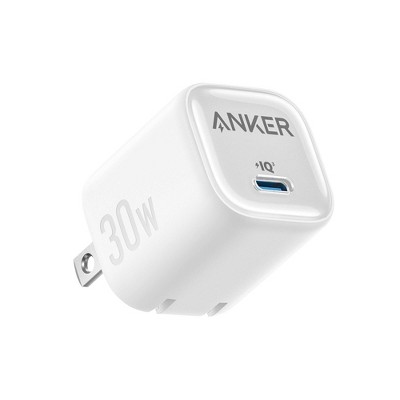
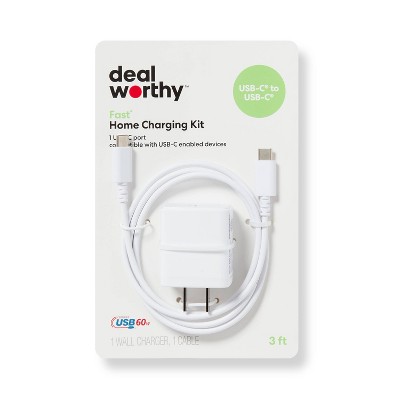
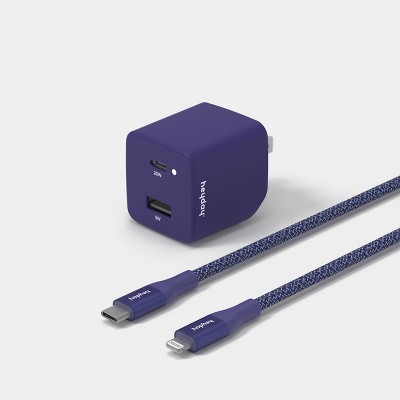
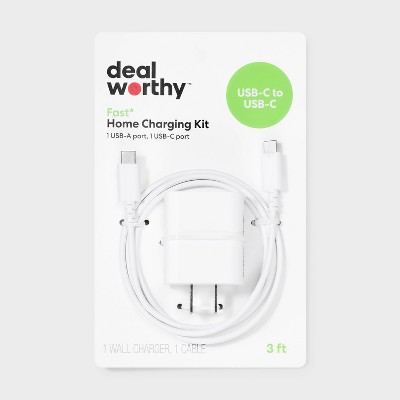
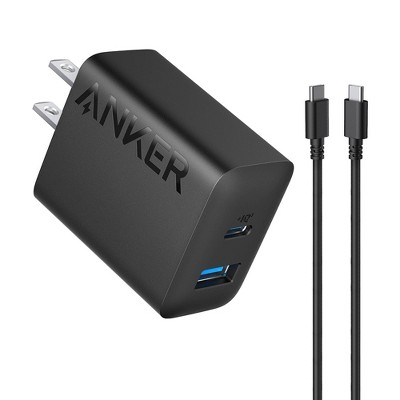
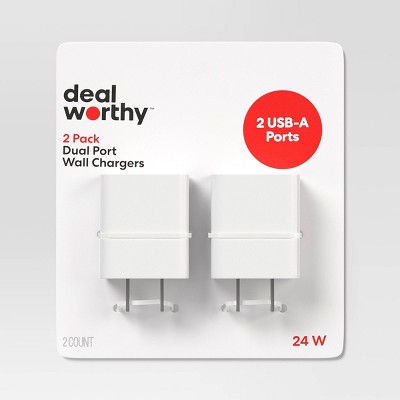
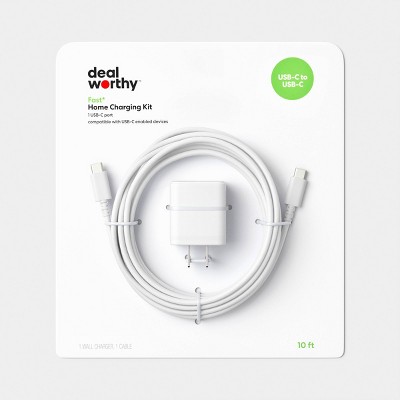
Wattages range from very low outputs (around 2.5 W) up to high‑power docking ports (up to 100 W). Many wall and travel USB‑C chargers commonly list 20 W or 30 W, while some single chargers are listed at 40 W.
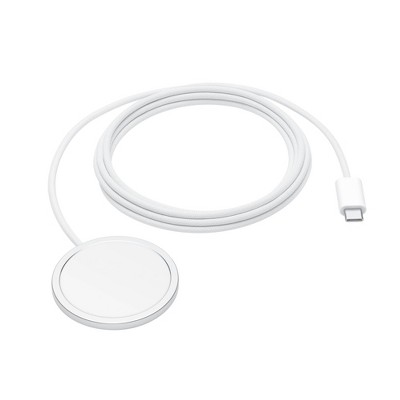
Product details typically list compatibility with smartphones, tablets, laptops/notebooks, gaming controllers, and small USB accessories such as wireless earbuds and cameras.
Wall charger listings often state a phone can charge from 0% to about 50% in roughly 25–30 minutes, and a tablet can reach around 50% in about 40 minutes. Exact times depend on the charger wattage and the device's charging support.
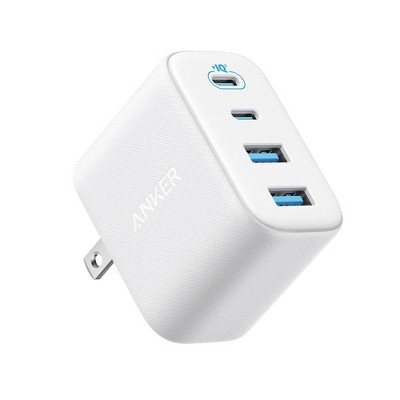
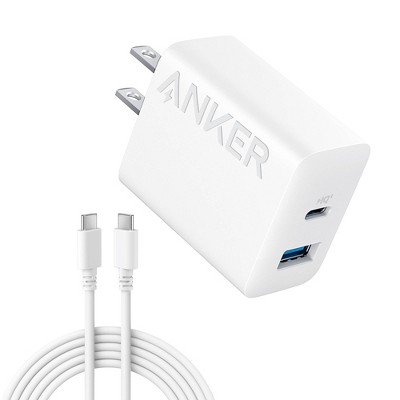
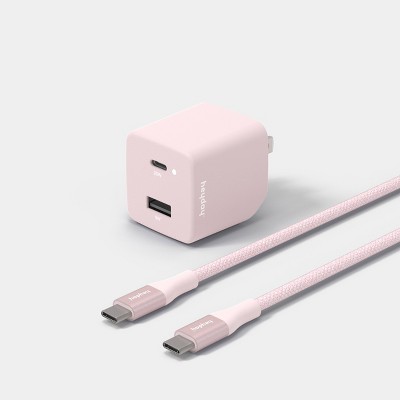
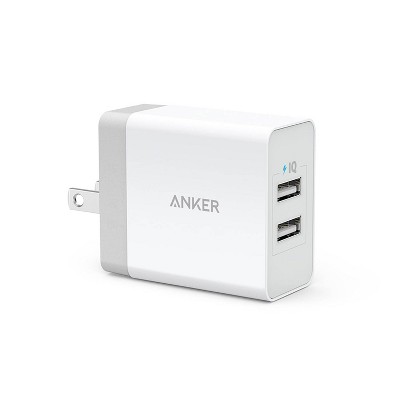
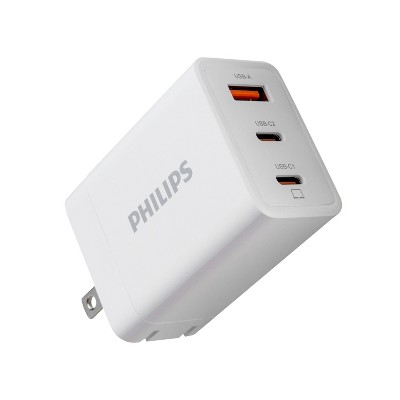
Single‑port chargers power one device; many car or travel chargers provide two ports. Multiport USB docks commonly offer several ports (examples often show totals like four), and specialized controller docks are sometimes designed to charge up to four controllers at once.