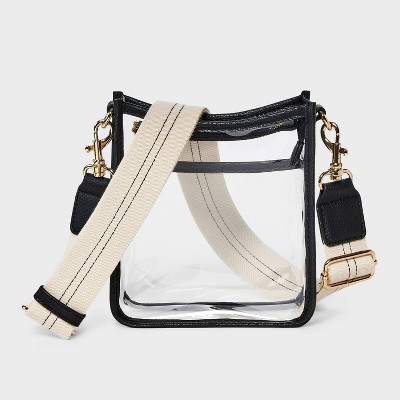
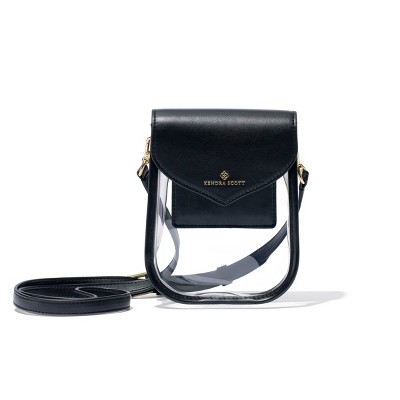
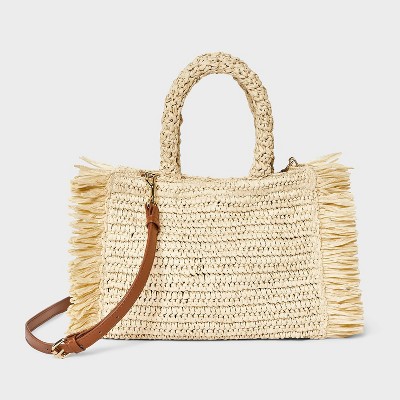
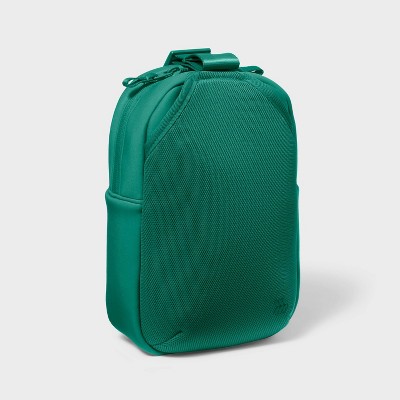
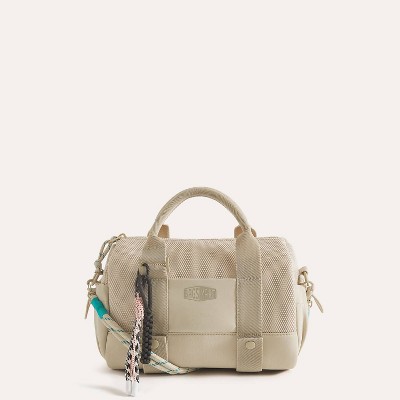
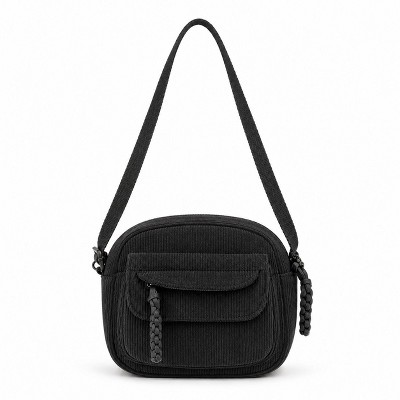
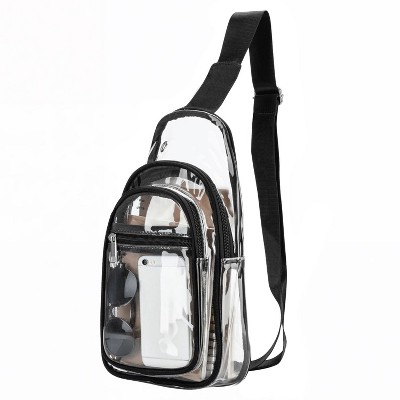
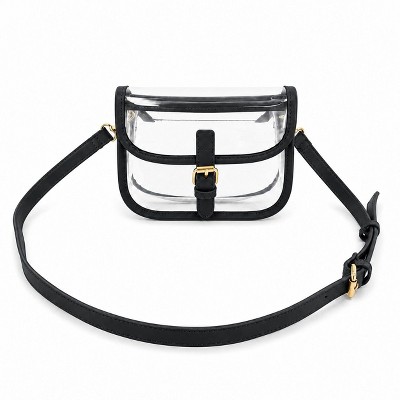
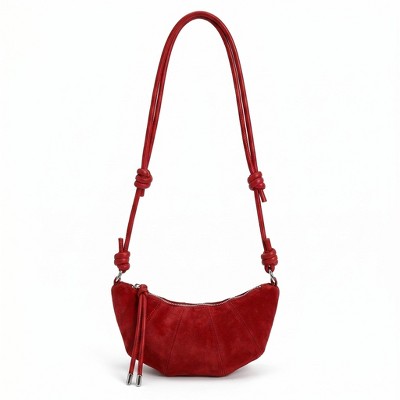
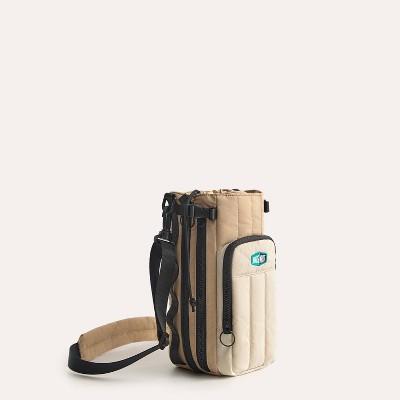
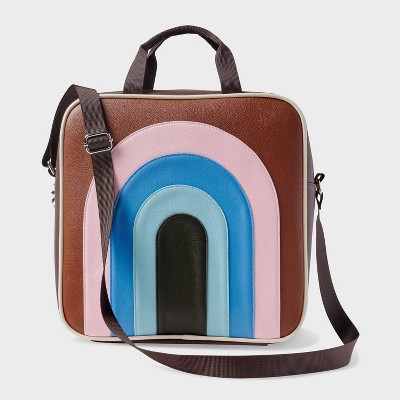
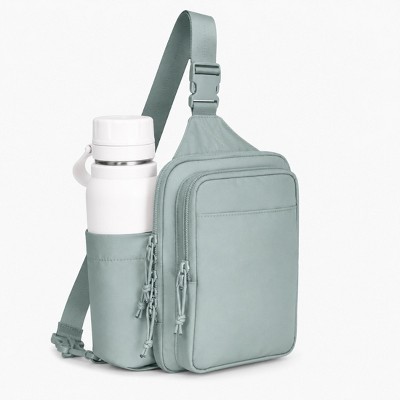
Walking bags use a mix of synthetic and coated materials. Common options include synthetic fabrics (polyester and recycled polyester at varying percentages), coated plastics (polyurethane, plastic, vinyl, polypropylene), and technical/foam materials (antimicrobial EVA and faux-neoprene).
Common closures are zippers (including zip-around designs), magnetic closures, hook-and-loop flap closures (Velcro), and open/no-closure styles.
Sizes vary widely. Reported dimension ranges are roughly: height 9.12–22.25 inches, width 11.5–32.5 inches, and depth 5–14 inches. Capacity is model-dependent; some bags list capacities in the range of about 23 to 45 liters.
Weather protection varies by bag. Some are described as water-resistant or water-repellent, and a few items are labeled waterproof for spills and light exposure. The level of protection depends on the material and construction—check individual product descriptions for specifics.
Most walking bags recommend spot cleaning or wiping with a damp cloth. Some items also note hand washing or cleaning with soap and water; follow the specific care instructions on the product label for best results.
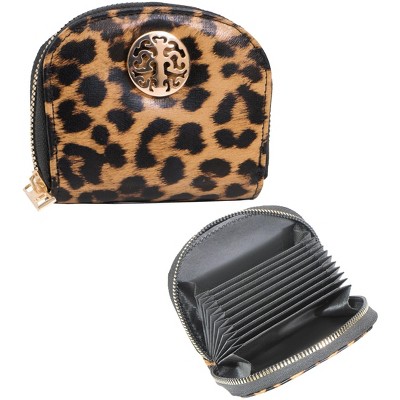
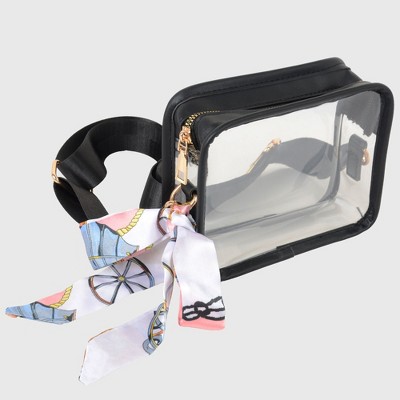
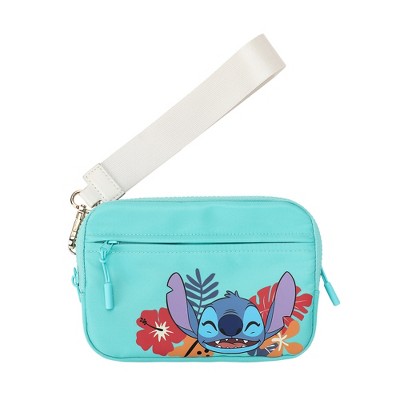
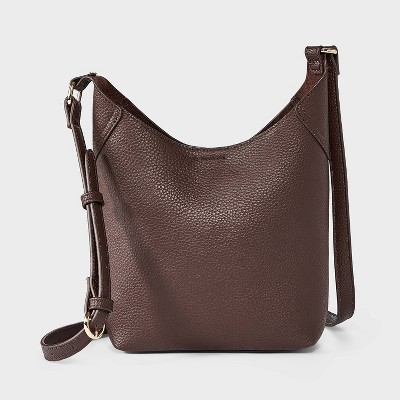
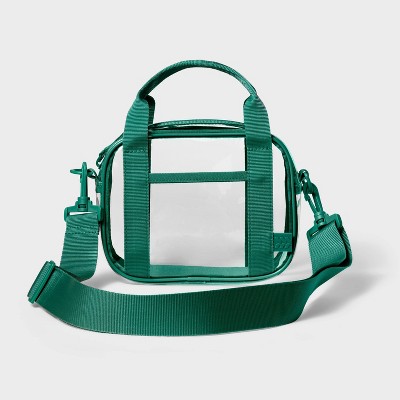
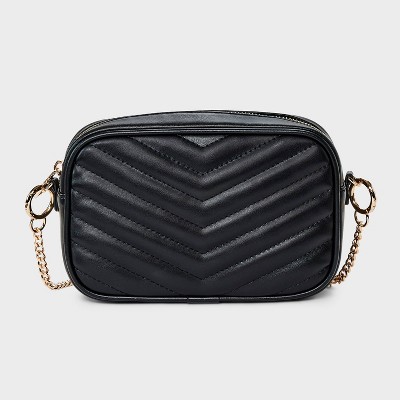
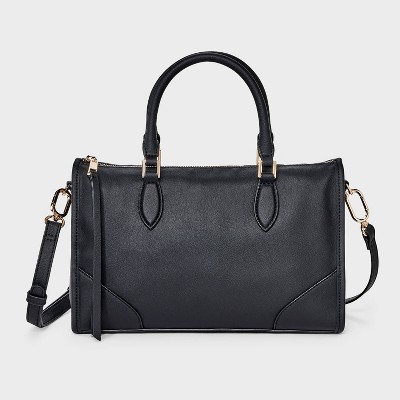
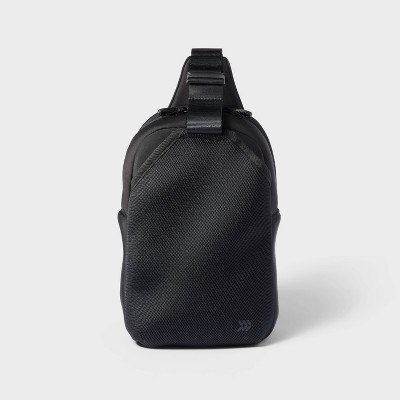
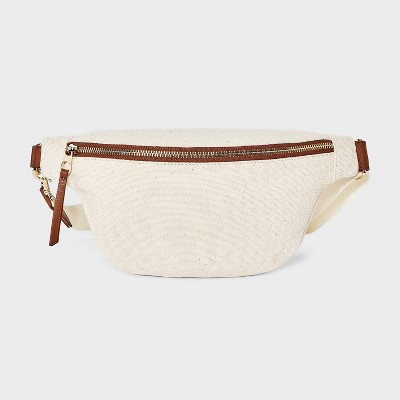
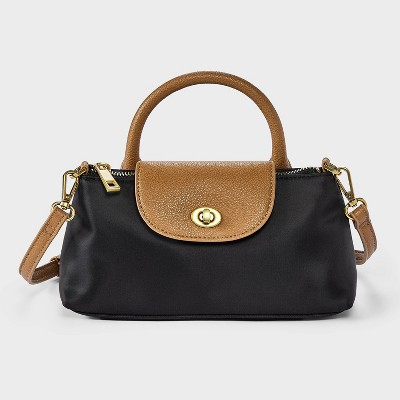
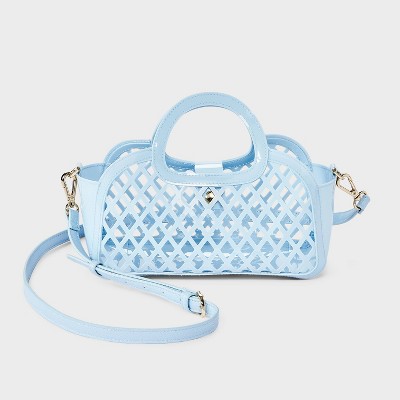
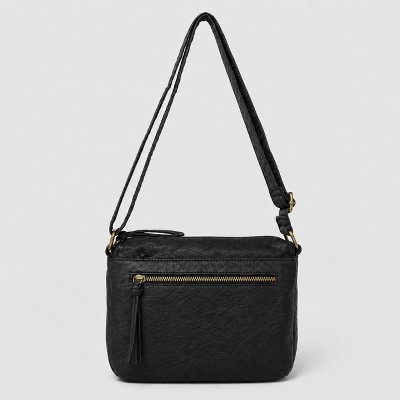
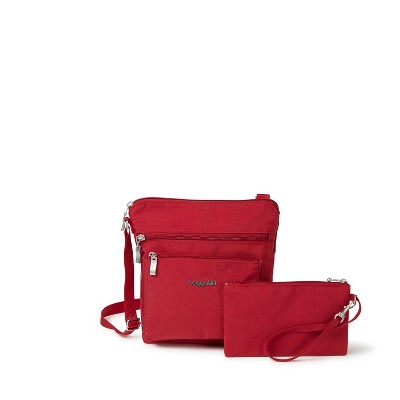
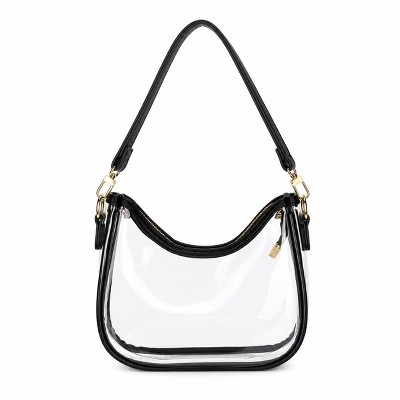
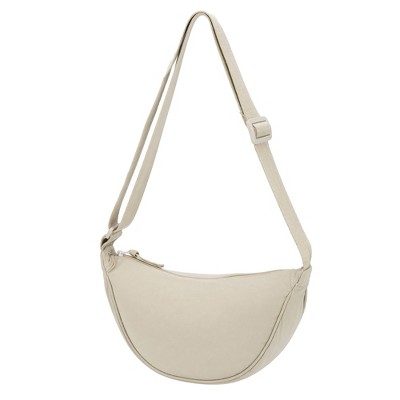
Walking bags come in a variety of constructions, including softside and hardside shells, structured satchels, unstructured/slouchy styles, collapsible or foldable totes, and lightweight boxed or puffer silhouettes.