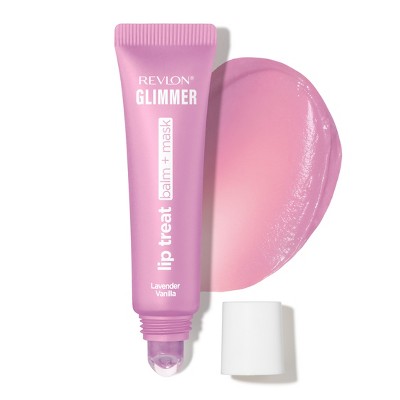
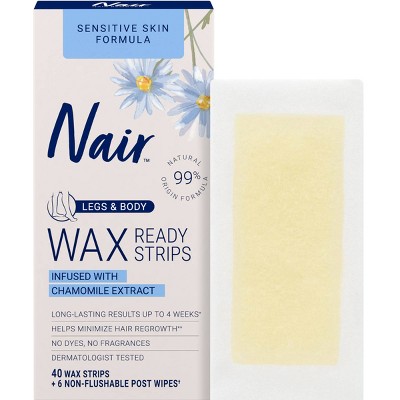
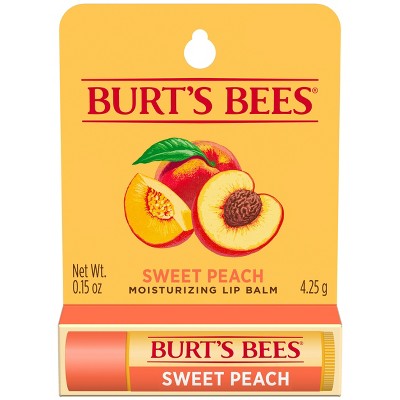
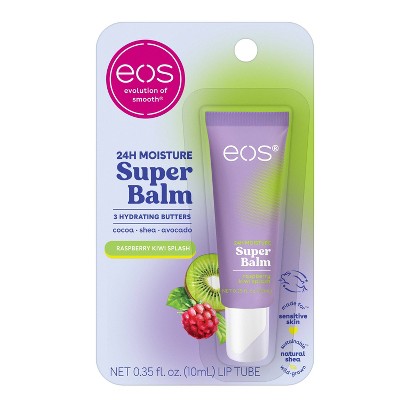
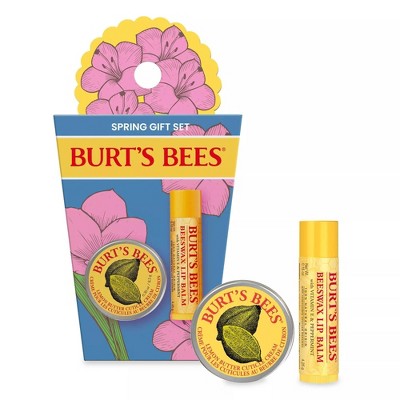
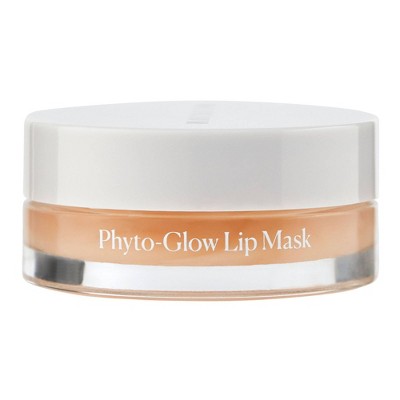
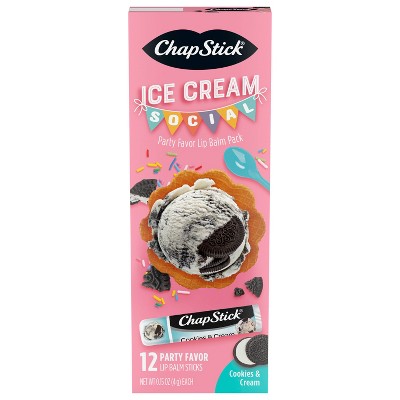
Products labeled as "wax balm" typically include lip balms, anti‑chafe/friction balms, and multi‑use body or "magic" balms for moisturizing and general skin care.
Application is usually direct to the affected area: lip tubes are applied to the lips, anti‑chafe sticks are rubbed on skin contact areas (thighs, underarms, around a bra), and multi‑use balms can be dabbed on hands, cuticles, face or other dry patches.
Many wax balms use beeswax together with plant oils and butters. Common ingredients include jojoba, avocado and hemp oils, vitamin E, coconut or sweet almond oil, and butters such as shea or sunflower‑based oils.
Wax balms mainly target dryness and chapped lips, protect skin from friction or chafing, and moisturize dry or sensitive areas such as cuticles, cracked skin, and chapped cheeks or chins.
Common labels include paraben‑free, phthalate‑free, sulfate‑free and formaldehyde‑free formulations, plus sustainability or certification notes such as cruelty‑free/not tested on animals, recyclable packaging, USDA organic and related organic/fair‑trade certifications shown on some items.
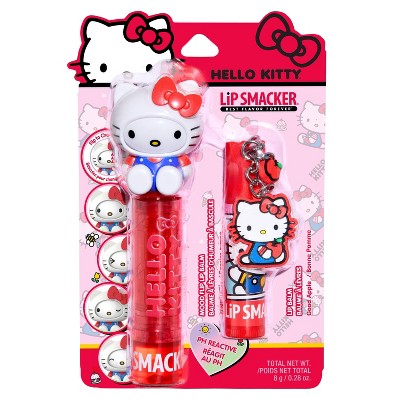
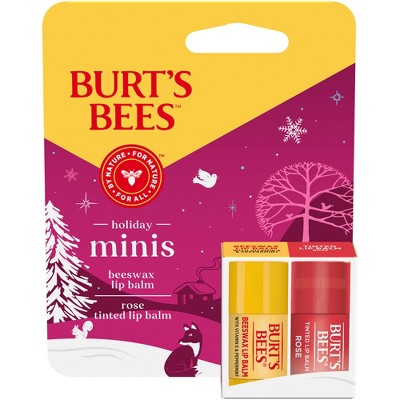
Many lip balms are flavored or scented (examples include peppermint, honey, vanilla and citrus) and some are lightly tinted (such as a rose tint). Other balms are offered unscented or labeled "no added fragrance" for sensitive use.