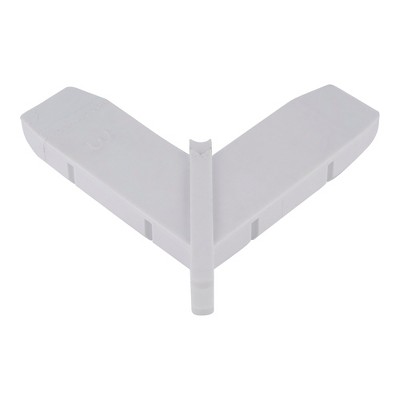
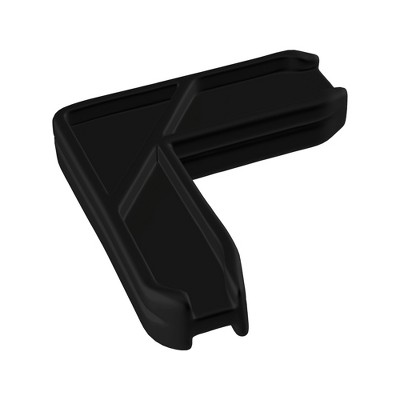
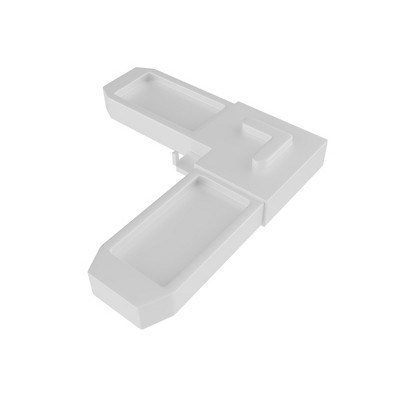
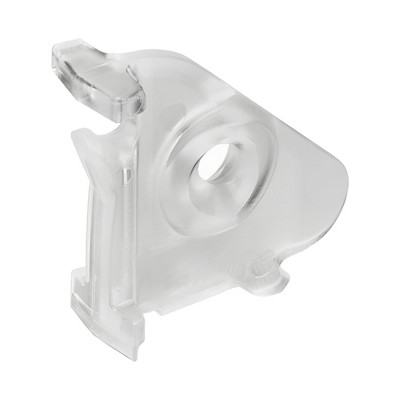
Most corner protectors are designed to adhere to smooth surfaces such as wood, metal, glass, and plastic. Product listings commonly note suitability for furniture like coffee tables, desks, dining tables, and cabinets.
Yes. Many listings offer corner-only pads or guards, while others include combined solutions—long foam or edge cushions plus corner pads—for full edge-and-corner protection.
Common materials listed are silicone, PVC (polyvinyl chloride), foam, and rubber. Product descriptions often call out these materials when noting feel and durability.
Most listings describe a peel-and-stick installation using an adhesive backing. They say the protectors install quickly and can be removed without leaving residue.
Sizes range from small corner pads—typically under a few inches in each dimension—to long, extended edge cushions sold by length. Examples in listings include small pads (e.g., roughly 0.5–4 inches in length/height/width) and extended edge rolls up to about 216 inches (18 ft) for cut-to-fit installation.
Common options include clear/transparent finishes and solid colors such as gray, white, and taupe. Clear or transparent protectors are often described as blending with furniture surfaces.
Listings typically describe silicone as soft and impact‑absorbing; PVC as high‑elastic and cushioning (often transparent); foam as soft or thick for cushioning; and rubber as durable while remaining flexible.
Extended foam edge cushions are usually cut-to-fit and trimmable so they can be spliced to match furniture. Listings document options such as an 18 ft (216‑inch) cut-to-fit length, and installation is commonly peel-and-stick.
Listings suggest placing protectors on furniture corners and edges such as coffee tables, desks, dining tables, cabinets, bed corners, and windowsills. Common placement is across rooms like the kitchen, bedroom, and living room.