Target New ArrivalsHalloweenClothing, Shoes & AccessoriesHome & DecorKitchen & DiningPatio, Lawn & GardenGroceryHousehold EssentialsBabyBeautyTarget Beauty StudioPersonal CareSports & OutdoorsPetsHealthWellnessSchool & Office SuppliesToys & GamesElectronics & TechVideo GamesBooks, Music & MoviesParty SuppliesGift IdeasGift CardsShop by CommunityTarget OpticalDealsClearanceNew ArrivalsBack to SchoolCollegeTop DealsTarget Circle DealsWeekly AdShop Order PickupShop Same Day DeliveryRegistryRedCardTarget CircleFind Stores
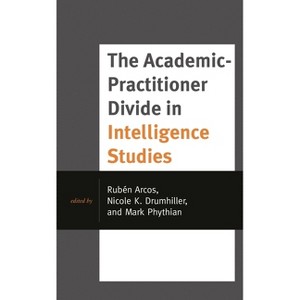
Academic-Practitioner Divide in Intelligence Studies - (Security and Professional Intelligence Education) (Paperback) - 1 of 1

Academic-Practitioner Divide in Intelligence Studies - (Security and Professional Intelligence Education) (Paperback)

$44.95

In Stock

Free & easy returns
Free & easy returns
Return this item by mail or in store within 90 days for a full refund.
Eligible for registries and wish lists
Save 5% every day
With Target Circle™ Card (restrictions apply)

About this item

Highlights

  • Internationally, the profession of intelligence continues to develop and expand.
  • About the Author: Mark Phythian is professor of Politics in the School of History, Politics & International Relations at the University of Leicester.
  • 330 Pages
  • Political Science, International Relations
  • Series Name: Security and Professional Intelligence Education

Description


About the Book


The profession of intelligence and those delivering intelligence education share a common aim of developing intelligence as a discipline. However, this shared interest must also navigate the existence of an academic-practitioner divide. This book provides a range of internatio...


Book Synopsis


Internationally, the profession of intelligence continues to develop and expand. So too does the academic field of intelligence, both in terms of intelligence as a focus for academic research and in terms of the delivery of university courses in intelligence and related areas. To a significant extent both the profession of intelligence and those delivering intelligence education share a common aim of developing intelligence as a discipline. However, this shared interest must also navigate the existence of an academic-practitioner divide. Such a divide is far from unique to intelligence - it exists in various forms across most professions - but it is distinctive in the field of intelligence because of the centrality of secrecy to the profession of intelligence and the way in which this constitutes a barrier to understanding and openly teaching about aspects of intelligence. How can co-operation in developing the profession and academic study be maximized when faced with this divide? How can and should this divide be navigated? The Academic-Practitioner Divide in Intelligence provides a range of international approaches to, and perspectives on, these crucial questions.


Review Quotes


"This finely crafted volume explores ongoing efforts to bridge the gap between intelligence professionals and academics. Reflecting the contributors' diverse careers and national perspectives, these essays offer novel ways to improve intelligence research, teaching, and practice. The volume identifies new opportunities for collaboration, while showcasing some of today's most innovative thinkers in the field of intelligence studies." --James J. Wirtz, U.S. Naval Postgraduate School

"The Academic-Practitioner Divide in Intelligence Studies, which displays a rich assortment of global academic and practitioner perspectives, confers the most comprehensive examination of the complexity surrounding the paradoxical--divergent while also symbiotic--relationship between professionals and scholars of intelligence, in their quest to develop intelligence as an academic discipline." --Florina Cristiana Matei, Naval Postgraduate School

"The editors and authors have produced a unique and timely contribution. As the security environment becomes increasingly complex, bridging the academic-practitioner divide is becoming more necessary. This excellent volume skillfully identifies where the red lines and challenges are yet usefully shows how both academics and practitioners can work closer together to progress teaching and research excellence in the intelligence field." --Patrick F. Walsh, Charles Sturt University, Editor, Australian Institute of Professional Intelligence Officers Journal, author of Intelligence and Intelligence Analysis

"Those who know don't speak; those who speak don't know.' Practitioners' traditional view of academic researchers is challenged by this diverse collection on comparative developments in Intelligence Studies. It shows how productive relationships can be enhanced while acknowledging correctly that the gap neither can nor should be eliminated entirely." --Peter Gill, International Studies Association Distinguished Scholar


About the Author


Mark Phythian is professor of Politics in the School of History, Politics & International Relations at the University of Leicester. He is the author or editor of some fifteen books on intelligence and security topics, as well as numerous journal articles and book chapters. He is the co-editor of Intelligence and National Security, one of the editors of the Georgetown Studies in the History of Intelligence book series, and a Fellow of the UK Academy of Social Sciences.

Rubén Arcos is a senior lecturer in communication sciences at the University Rey Juan Carlos in Madrid, Spain. He is program co-chair of the Intelligence Studies Section at the International Studies Association. Arcos is a researcher in the project EU-HYBNET - Empowering a Pan-European Network to Counter Hybrid Threats. He is co-editor of the two volumes of The Art of Intelligence: Simulations, Exercises, and Games. He serves in the editorial advisory board of the International Journal of Intelligence and Counterintelligence.

Nicole K. Drumhiller serves as the Associate Dean for the School of Security and Global Studies at the American Public University System. Her published works cover topics such as intelligence, security studies, and political psychology. She serves on the editorial advisory board of the Global Security and Intelligence Studies journal.

Dimensions (Overall): 9.0 Inches (H) x 6.0 Inches (W) x .74 Inches (D)
Weight: 1.07 Pounds
Suggested Age: 22 Years and Up
Number of Pages: 330
Genre: Political Science
Sub-Genre: International Relations
Series Title: Security and Professional Intelligence Education
Publisher: Rowman & Littlefield Publishers
Theme: Diplomacy
Format: Paperback
Author: Rubén Arcos & Nicole K Drumhiller & Mark Phythian
Language: English
Street Date: March 11, 2024
TCIN: 1012525168
UPC: 9781538196175
Item Number (DPCI): 247-53-2277
Origin: Made in the USA or Imported
If the item details aren’t accurate or complete, we want to know about it.

Shipping details

Estimated ship dimensions: 0.74 inches length x 6 inches width x 9 inches height
Estimated ship weight: 1.07 pounds
We regret that this item cannot be shipped to PO Boxes.
This item cannot be shipped to the following locations: American Samoa (see also separate entry under AS), Guam (see also separate entry under GU), Northern Mariana Islands, Puerto Rico (see also separate entry under PR), United States Minor Outlying Islands, Virgin Islands, U.S., APO/FPO, Alaska, Hawaii

Return details

This item can be returned to any Target store or Target.com.
This item must be returned within 90 days of the date it was purchased in store, delivered to the guest, delivered by a Shipt shopper, or picked up by the guest.
See the return policy for complete information.

Additional product information and recommendations
Discover more options

Skip to next section

Best-selling Adult Non-Fiction Books

Skip to next section

Get top deals, latest trends, and more.