Target New ArrivalsHalloweenClothing, Shoes & AccessoriesHome & DecorKitchen & DiningPatio, Lawn & GardenGroceryHousehold EssentialsBabyBeautyTarget Beauty StudioPersonal CareSports & OutdoorsPetsHealthWellnessSchool & Office SuppliesToys & GamesElectronics & TechVideo GamesBooks, Music & MoviesParty SuppliesGift IdeasGift CardsShop by CommunityTarget OpticalDealsClearanceNew ArrivalsBack to SchoolCollegeTop DealsTarget Circle DealsWeekly AdShop Order PickupShop Same Day DeliveryRegistryRedCardTarget CircleFind Stores
Design Methods 2e - (Architecture) 2nd Edition by  Jones (Paperback) - 1 of 1

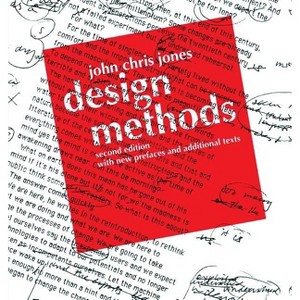
Design Methods 2e - (Architecture) 2nd Edition by Jones (Paperback)

$130.95

In Stock

Free & easy returns
Free & easy returns
Return this item by mail or in store within 90 days for a full refund.
Eligible for registries and wish lists
Save 5% every day
With Target Circle™ Card (restrictions apply)

About this item

Highlights

  • Since its initial publication in 1970, Design Methods has been considered the seminal work on design methodology.
  • About the Author: John Chris Jones is best known as a founder of the design methods movement.
  • 472 Pages
  • Technology & Engineering, Engineering (General)
  • Series Name: Architecture

Description


Book Synopsis


Since its initial publication in 1970, Design Methods has been considered the seminal work on design methodology. Written by one of the founders of the design methods movement, it has been highly praised in international journals and has been translated into Japanese, Romanian, Polish, Russian, and Spanish. As Jones states in the preface: "Alongside the old idea of design as the drawing of objects that are then to be built or manufactured there are many new ideas of what it is, all very different:

  • designing as the process of devising not individual products but whole systems or environments such as airports, transportation, hypermarkets, educational curricula, broadcasting schedules, welfare schemes, banking systems, computer networks;
  • design as participation, the involvement of the public in the decision-making process;
  • design as creativity, which is supposed to be potentially present in everyone;
  • design as an educational discipline that unites arts and science and perhaps can go further than either;
  • and now the idea of designing Without a Product, as a process or way of living in itself."

Design Methods first evaluates traditional methods such as design-by-drawing and shows how they do not adequately address the complexity of demands upon today's designer. The book then provides 35 new methods that have been developed to assist designers and planners to become more sensitive to user needs. These methods move beyond a focus on the product to the thought that precedes it. Throughout, the book's emphasis on integrating creative and rational skills directs readers away from narrow specialization to a broader view of design. The new methods are described and classified in a way that makes it easier for designers and planners to find a method that suits a particular design situation. They include logical procedures such as systematic search and systems engineering, data gathering procedures such as literature searching and the writing of questionnaires, innovative procedures such as brainstorming and synectic and system transformation, and evaluative procedures such as specification writing and the selection of criteria. Offering a wider view--accompanied by appropriate skills--than can be obtained from the teaching of any specialized design profession, Design Methods is important reading for designers and teachers in numerous fields. It will be welcomed by engineers, architects, planners, and landscape architects, as well as by interior, graphic, product, and industrial designers. This extraordinary book will provide key insights to software designers and numerous others outside traditional design professions who are nevertheless creatively involved in design processes. It is also relevant to the teaching of cultural studies, technology, and any kind of creative project.


From the Back Cover


Since its initial publication in 1970, Design Methods has been considered the seminal work on design methodology. Written by one of the founders of the design methods movement, it has been highly praised in international journals and has been translated into Japanese, Romanian, Polish, Russian, and Spanish. As Jones states in the preface: "Alongside the old idea of design as the drawing of objects that are then to be built or manufactured there are many new ideas of what it is, all very different:
  • designing as the process of devising not individual products but whole systems or environments such as airports, transportation, hypermarkets, educational curricula, broadcasting schedules, welfare schemes, banking systems, computer networks;
  • design as participation, the involvement of the public in the decision-making process;
  • design as creativity, which is supposed to be potentially present in everyone;
  • design as an educational discipline that unites arts and science and perhaps can go further than either;
  • and now the idea of designing Without a Product, as a process or way of living in itself."
Design Methods first evaluates traditional methods such as design-by-drawing and shows how they do not adequately address the complexity of demands upon today's designer. The book then provides 35 new methods that have been developed to assist designers and planners to become more sensitive to user needs. These methods move beyond a focus on the product to the thought that precedes it. Throughout, the book's emphasis on integrating creative and rational skills directs readers away from narrow specialization to a broader view of design. The new methods are described and classified in a way that makes it easier for designers and planners to find a method that suits a particular design situation. They include logical procedures such as systematic search and systems engineering, data gathering procedures such as literature searching and the writing of questionnaires, innovative procedures such as brainstorming and synectic and system transformation, and evaluative procedures such as specification writing and the selection of criteria. Offering a wider view--accompanied by appropriate skills--than can be obtained from the teaching of any specialized design profession, Design Methods is important reading for designers and teachers in numerous fields. It will be welcomed by engineers, architects, planners, and landscape architects, as well as by interior, graphic, product, and industrial designers. This extraordinary book will provide key insights to software designers and numerous others outside traditional design professions who are nevertheless creatively involved in design processes. It is also relevant to the teaching of cultural studies, technology, and any kind of creative project.


About the Author


John Chris Jones is best known as a founder of the design methods movement. The first professor of design at the Open University in London, he is also known for his work in ergonomics and futurology. In recent years, he has worked as a freelance lecturer and writer, independently adapting methods from the "time arts," including performance and video, to the design process. During his career, Jones has published over 200 articles. In addition, he has experimented with publishing through small presses and in new formats, such as microfilm, photocopies, and computer disks. Samples of his recent writing, what he calls virtual fiction, appear in the "imaginary preludes" to this edition.
Dimensions (Overall): 8.6 Inches (H) x 8.6 Inches (W) x .86 Inches (D)
Weight: 1.94 Pounds
Suggested Age: 22 Years and Up
Number of Pages: 472
Genre: Technology & Engineering
Sub-Genre: Engineering (General)
Series Title: Architecture
Publisher: John Wiley & Sons
Edition: 2nd Edition
Format: Paperback
Author: Jones
Language: English
Street Date: September 1, 1992
TCIN: 1014051592
UPC: 9780471284963
Item Number (DPCI): 247-14-4948
Origin: Made in the USA or Imported
If the item details aren’t accurate or complete, we want to know about it.

Shipping details

Estimated ship dimensions: 0.86 inches length x 8.6 inches width x 8.6 inches height
Estimated ship weight: 1.94 pounds
We regret that this item cannot be shipped to PO Boxes.
This item cannot be shipped to the following locations: American Samoa (see also separate entry under AS), Guam (see also separate entry under GU), Northern Mariana Islands, Puerto Rico (see also separate entry under PR), United States Minor Outlying Islands, Virgin Islands, U.S., APO/FPO, Alaska, Hawaii

Return details

This item can be returned to any Target store or Target.com.
This item must be returned within 90 days of the date it was purchased in store, delivered to the guest, delivered by a Shipt shopper, or picked up by the guest.
See the return policy for complete information.

Additional product information and recommendations

Discover more options

Skip to next section

Best-selling Adult Non-Fiction Books

Skip to next section

Related Categories

Get top deals, latest trends, and more.