Target New ArrivalsChristmasGift IdeasHoliday Kids CatalogHome & DecorKitchen & DiningToys & GamesElectronics & TechVideo GamesGift CardsClothing, Shoes & AccessoriesGroceryBabyBeautyTarget Beauty StudioPersonal CareHousehold EssentialsHealthWellnessBooks, Music & MoviesSports & OutdoorsPetsSchool & Office SuppliesParty SuppliesAutomotiveTarget OpticalClearanceNew ArrivalsChristmasGift IdeasTop DealsTarget Circle DealsWeekly AdShop Order PickupShop Same Day DeliveryRegistryRedCardTarget CircleFind Stores
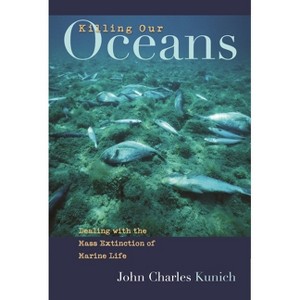
Killing Our Oceans - by  John Kunich (Hardcover) - 1 of 1

Killing Our Oceans - by John Kunich (Hardcover)

$68.99

In Stock

Free & easy returns
Free & easy returns
Return this item by mail or in store within 90 days for a full refund.
Eligible for registries and wish lists
Save 5% every day
With Target Circle™ Card (restrictions apply)

About this item

Highlights

  • In his Ark of the Broken Covenant, Kunich showed that Earth's species are concentrated in 25 zones of ecological significance known as biodiversity hotspots, and maintained that we'd go a long way toward saving many species from extinction if we'd focus our protective laws and regulations on these zones.
  • About the Author: John Charles Kunich is Associate Professor of Law, Appalachian School of Law, Virginia, and the author of several books.
  • 256 Pages
  • Nature, Environmental Conservation & Protection

Description


About the Book


In his Ark of the Broken Covenant, Kunich showed that Earth's species are concentrated in 25 zones of ecological significance known as biodiversity hotspots, and maintained that we'd go a long way toward saving many species from extinction if we'd focus our protective laws and regulations on these zones. In Killing Our Oceans he extends this analysis to the extraordinary pockets of life in the oceans that are similarly threatened.

In his Ark of the Broken Covenant, Kunich showed that Earth's species are concentrated in 25 zones of ecological significance known as biodiversity hotspots, and that we'd go a long way toward saving many species from extinction if we'd focus our protective laws and regulations on these zones. In Killing Our Oceans he extends this analysis to the extraordinary pockets of life in the oceans that are similarly threatened. From coral reefs to recently discovered hydrothermal vents, the oceans contain vast numbers of endangered species. We are rapidly losing these unique, irreplaceable treasures, due in part to an appalling lack of efficacious safeguards. What's in it for us if we intervene to halt this mass extinction? Quite possibly the greatest medical, nutritional, and scientific breakthroughs in all of human history, just waiting to be discovered and harnessed--or forever lost along with the dying species that hold the keys to these secrets.

Kunich examines in detail the applicable international laws as well as domestic laws of the nations with key marine resources, and demonstrates the abject failure of these measures to prevent or halt a mass extinction in our oceans. He concludes with a set of legal proposals that could start us down the road to preserving the marine hotspots and, with them, most of Earth's biodiversity. Legal solutions are not the only answer, but they are a beginning.


Book Synopsis


In his Ark of the Broken Covenant, Kunich showed that Earth's species are concentrated in 25 zones of ecological significance known as biodiversity hotspots, and maintained that we'd go a long way toward saving many species from extinction if we'd focus our protective laws and regulations on these zones. In Killing Our Oceans he extends this analysis to the extraordinary pockets of life in the oceans that are similarly threatened.

In his Ark of the Broken Covenant, Kunich showed that Earth's species are concentrated in 25 zones of ecological significance known as biodiversity hotspots, and that we'd go a long way toward saving many species from extinction if we'd focus our protective laws and regulations on these zones. In Killing Our Oceans he extends this analysis to the extraordinary pockets of life in the oceans that are similarly threatened. From coral reefs to recently discovered hydrothermal vents, the oceans contain vast numbers of endangered species. We are rapidly losing these unique, irreplaceable treasures, due in part to an appalling lack of efficacious safeguards. What's in it for us if we intervene to halt this mass extinction? Quite possibly the greatest medical, nutritional, and scientific breakthroughs in all of human history, just waiting to be discovered and harnessed--or forever lost along with the dying species that hold the keys to these secrets.

Kunich examines in detail the applicable international laws as well as domestic laws of the nations with key marine resources, and demonstrates the abject failure of these measures to prevent or halt a mass extinction in our oceans. He concludes with a set of legal proposals that could start us down the road to preserving the marine hotspots and, with them, most of Earth's biodiversity. Legal solutions are not the only answer, but they are a beginning.


Review Quotes


"It's long been known humankind is destroying the oceans, and plenty of titles have surveyed the problem: what makes Killing Our Oceans: Dealing With the Mass Extinction of Marine Life different is an extension of the author's prior analysis of threatened hotspots from land to pockets of ocean life. Here also is a focus on international law and regulations pertaining to the ocean, along with efforts and language of domestic laws of nations with such key marine resources another differentiation which makes Killing Our Oceans a powerful recommendation not just for college-level science holdings, but collections concerned with international legal applications of social issues. It's this dual legal and science approach which makes for a top pick, here." --MBR: California Bookwatch

"Kunich argues that the earth is in the midst of its sixth mass extinction of species and that the extinction is perhaps hitting the world's oceans the hardest. Further, the legions of domestic and international laws that are supposed to ensure the health of the oceans have done nothing to address the problem and instead act merely as a dangerous placebo. After detailing this situation, he proposes a new legal paradigm for safeguarding marine life; one that is based on an incentives-based statutory approach similar to the US Congress's Tropical Forest Conservation Act of 1998." --SciTech Book News

"[P]resents an overview of basic oceanography and explains that the current massive extinction of ocean life has one primary cause: humankind. Asking why, if we're responsible for this distruction, we don't take responsibility for it....Kunich believes that individual nations have too narrow a view of the dire situation and that the lack of a world court with enough clout to settle international disputes effectively perpetuates our destruction of marine life. Kunich concludes with thought-provoking proposals for the establishment of worldwide ocean protection and conservation." --Booklist


About the Author


John Charles Kunich is Associate Professor of Law, Appalachian School of Law, Virginia, and the author of several books.
Dimensions (Overall): 9.54 Inches (H) x 6.52 Inches (W) x .94 Inches (D)
Weight: 1.21 Pounds
Suggested Age: 22 Years and Up
Number of Pages: 256
Genre: Nature
Sub-Genre: Environmental Conservation & Protection
Publisher: Praeger
Format: Hardcover
Author: John Kunich
Language: English
Street Date: May 1, 2006
TCIN: 1015596246
UPC: 9780275988784
Item Number (DPCI): 247-66-9798
Origin: Made in the USA or Imported
If the item details aren’t accurate or complete, we want to know about it.

Shipping details

Estimated ship dimensions: 0.94 inches length x 6.52 inches width x 9.54 inches height
Estimated ship weight: 1.21 pounds
We regret that this item cannot be shipped to PO Boxes.
This item cannot be shipped to the following locations: American Samoa (see also separate entry under AS), Guam (see also separate entry under GU), Northern Mariana Islands, Puerto Rico (see also separate entry under PR), United States Minor Outlying Islands, Virgin Islands, U.S., APO/FPO, Alaska, Hawaii

Return details

This item can be returned to any Target store or Target.com.
This item must be returned within 90 days of the date it was purchased in store, delivered to the guest, delivered by a Shipt shopper, or picked up by the guest.
See the return policy for complete information.

Additional product information and recommendations

Discover more options

Skip to next section

Best-selling Nature Books

Skip to next section

Get top deals, latest trends, and more.