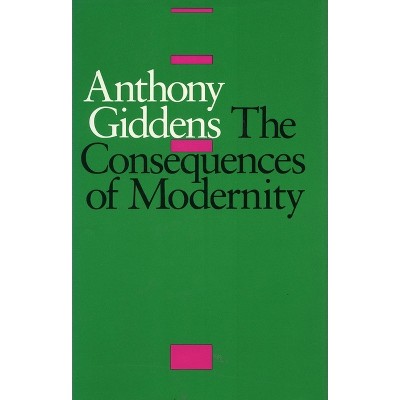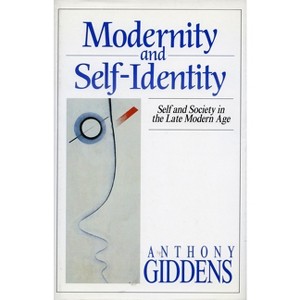
Modernity differs from all preceding forms of social order because of its dynamism, its deep undercutting of traditional habits and customs, and its global impact.
Author(s): Anthony Giddens
264 Pages
Psychology, Personality
Description
Book Synopsis
Modernity differs from all preceding forms of social order because of its dynamism, its deep undercutting of traditional habits and customs, and its global impact. It also radicallly alters the general nature of daily life and the most personal aspects of human activity. In fact, one of the most distinctive features of modernity is the increasing interconnection between globalizing influences and personal dispositions. The author analyzes the nature of this interconnection and provides a conceptual vocabulary for it, in the process providing a major rethinking of the nature of modernity and a reworking of basic premises of sociological analysis.
Building on the ideas set out in the author's The Consequences of Modernity, this book focuses on the self and the emergence of new mechanisms of self-identity that are shaped by--yet also shape--the institutions of modernity. The author argues that the self is not a passive entity, determined by external influences. Rather, in forging their self-identities, no matter how local their contexts of action, individuals contribute to and directly promote social influences that are global in their consequences and implications.
The author sketches the contours of the he calls "high modernity"--the world of our day--and considers its ramifications for the self and self-identity. In this context, he analyzes the meaning to the self of such concepts as trust, fate, risk, and security and goes on the examine the "sequestration of experience," the process by which high modernity separates day-to-day social life from a variety of experiences and broad issues of morality. The author demonstrates how personal meaninglessness--the feeling that life has nothing worthwhile to offer--becomes a fundamental psychic problem in circumstances of high modernity. The book concludes with a discussion of "life politics," a politics of selfactualization operating on both the individual and collective levels.
From the Back Cover
The author argues that 'high' or 'late' modernity is a post-traditional order characterized by a developed institutional reflexivity. In the current period, the globalizing tendencies of modern institutions are accompanied by a transformation of day-to-day social life having profound implications for personal activities.
Dimensions (Overall): 8.98 Inches (H) x 6.1 Inches (W) x .74 Inches (D)
Weight: .86 Pounds
Suggested Age: 22 Years and Up
Number of Pages: 264
Genre: Psychology
Sub-Genre: Personality
Publisher: Stanford University Press
Format: Paperback
Author: Anthony Giddens
Language: English
Street Date: July 1, 1991
TCIN: 83193755
UPC: 9780804719445
Item Number (DPCI): 247-48-5718
Origin: Made in the USA or Imported
If the item details aren’t accurate or complete, we want to know about it.
Shipping details
Estimated ship dimensions: 0.74 inches length x 6.1 inches width x 8.98 inches height
Estimated ship weight: 0.86 pounds
We regret that this item cannot be shipped to PO Boxes.
This item cannot be shipped to the following locations: American Samoa (see also separate entry under AS), Guam (see also separate entry under GU), Northern Mariana Islands, Puerto Rico (see also separate entry under PR), United States Minor Outlying Islands, Virgin Islands, U.S., APO/FPO, Alaska, Hawaii
Return details
This item can be returned to any Target store or Target.com.
This item must be returned within 90 days of the date it was purchased in store, delivered to the guest, delivered by a Shipt shopper, or picked up by the guest.