Target New ArrivalsChristmasGift IdeasHoliday Kids CatalogHome & DecorKitchen & DiningToys & GamesElectronics & TechVideo GamesGift CardsClothing, Shoes & AccessoriesGroceryBabyBeautyTarget Beauty StudioPersonal CareHousehold EssentialsHealthWellnessBooks, Music & MoviesSports & OutdoorsPetsSchool & Office SuppliesParty SuppliesAutomotiveTarget OpticalClearanceNew ArrivalsChristmasGift IdeasTop DealsTarget Circle DealsWeekly AdShop Order PickupShop Same Day DeliveryRegistryRedCardTarget CircleFind Stores
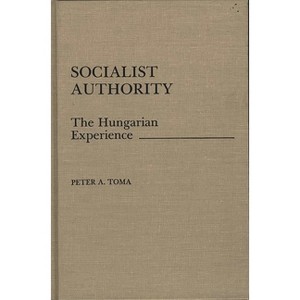
Socialist Authority - by  Peter Toma (Hardcover) - 1 of 1

Socialist Authority - by Peter Toma (Hardcover)

$100.99
 

In Stock

Free & easy returns
Free & easy returns
Return this item by mail or in store within 90 days for a full refund.
Eligible for registries and wish lists
Save 5% every day
With Target Circle™ Card (restrictions apply)

About this item

Highlights

  • Careful followers of reform movements within Communist bloc countries will profit from this new work by a specialist on Hungarian politics.
  • About the Author: PETER A. TOMA is a Professor of Political Science and International Relations at the University of Arizona.
  • 318 Pages
  • Social Science, Anthropology

Description


About the Book


Careful followers of reform movements within Communist bloc countries will profit from this new work by a specialist on Hungarian politics. Twenty years after introduction of the New Economic Mechanism (NEM), both the Hungarian elite and the mass population have had mixed experiences with the process of reform. From the vantage point of the elite, in the 1980s reform has moved beyond the economic realm into the political. Passage of the new Electoral Law of 1983 resulted in the transfer of more power to locally elected governmental bodies and also produced contested elections for legislative seats. Choice

Toma addresses the question: What are the factors and variables that permit one socialist system to exercise more economic, political, and social freedom than another? He studies authority in contemporary Hungarian society with an emphasis on communist practices versus ideological absolutes. He tests some generally accepted views of the socialist system in Hungary and shows how the Hungarians have attempted to resolve the question of how to combine socialist economic planning with social justice. Through a series of case studies, he differentiates between the theory and the practice of socialist authority, mainly through an analysis of how Hungarians have learned to circumvent restrictions imposed by the regime.


Book Synopsis


Careful followers of reform movements within Communist bloc countries will profit from this new work by a specialist on Hungarian politics. Twenty years after introduction of the New Economic Mechanism (NEM), both the Hungarian elite and the mass population have had mixed experiences with the process of reform. From the vantage point of the elite, in the 1980s reform has moved beyond the economic realm into the political. Passage of the new Electoral Law of 1983 resulted in the transfer of more power to locally elected governmental bodies and also produced contested elections for legislative seats. Choice

Toma addresses the question: What are the factors and variables that permit one socialist system to exercise more economic, political, and social freedom than another? He studies authority in contemporary Hungarian society with an emphasis on communist practices versus ideological absolutes. He tests some generally accepted views of the socialist system in Hungary and shows how the Hungarians have attempted to resolve the question of how to combine socialist economic planning with social justice. Through a series of case studies, he differentiates between the theory and the practice of socialist authority, mainly through an analysis of how Hungarians have learned to circumvent restrictions imposed by the regime.


Review Quotes


?Careful followers of reform movements within Communist bloc countries will profit from this new work by a specialist on Hungarian politics. Twenty years after introduction of the New Economic Mechanism (NEM), both the Hungarian elite and the mass population have had mixed experiences with the process of reform. From the vantage point of the elite, in the 1980s reform has moved beyond the economic realm into the political. Passage of the new Electoral Law of 1983 resulted in the transfer of more power to locally elected governmental bodies and also produced contested elections for legislative seats. . . The author makes his point about mass society through a useful combination of extended perrsonal case histories with basic data pertaining to many important social indicators. In many regards, the conclusions are similar to those presented by Hans-Georg Heinrich in Hungary (CH Sep 86). However, Toma is more pessimistic than Heinrich about the overall impact of the NEM.?-Choice

"Careful followers of reform movements within Communist bloc countries will profit from this new work by a specialist on Hungarian politics. Twenty years after introduction of the New Economic Mechanism (NEM), both the Hungarian elite and the mass population have had mixed experiences with the process of reform. From the vantage point of the elite, in the 1980s reform has moved beyond the economic realm into the political. Passage of the new Electoral Law of 1983 resulted in the transfer of more power to locally elected governmental bodies and also produced contested elections for legislative seats. . . The author makes his point about mass society through a useful combination of extended perrsonal case histories with basic data pertaining to many important social indicators. In many regards, the conclusions are similar to those presented by Hans-Georg Heinrich in Hungary (CH Sep 86). However, Toma is more pessimistic than Heinrich about the overall impact of the NEM."-Choice


About the Author


PETER A. TOMA is a Professor of Political Science and International Relations at the University of Arizona.
Dimensions (Overall): 9.21 Inches (H) x 6.14 Inches (W) x .75 Inches (D)
Weight: 1.37 Pounds
Suggested Age: 22 Years and Up
Number of Pages: 318
Genre: Social Science
Sub-Genre: Anthropology
Publisher: Praeger
Theme: Cultural & Social
Format: Hardcover
Author: Peter Toma
Language: English
Street Date: February 22, 1988
TCIN: 1015364014
UPC: 9780275926021
Item Number (DPCI): 247-66-4386
Origin: Made in the USA or Imported
If the item details aren’t accurate or complete, we want to know about it.

Shipping details

Estimated ship dimensions: 0.75 inches length x 6.14 inches width x 9.21 inches height
Estimated ship weight: 1.37 pounds
We regret that this item cannot be shipped to PO Boxes.
This item cannot be shipped to the following locations: American Samoa (see also separate entry under AS), Guam (see also separate entry under GU), Northern Mariana Islands, Puerto Rico (see also separate entry under PR), United States Minor Outlying Islands, Virgin Islands, U.S., APO/FPO, Alaska, Hawaii

Return details

This item can be returned to any Target store or Target.com.
This item must be returned within 90 days of the date it was purchased in store, delivered to the guest, delivered by a Shipt shopper, or picked up by the guest.
See the return policy for complete information.

Additional product information and recommendations

Discover more options

Skip to next section

Best-selling Social Science Books

Skip to next section

Get top deals, latest trends, and more.