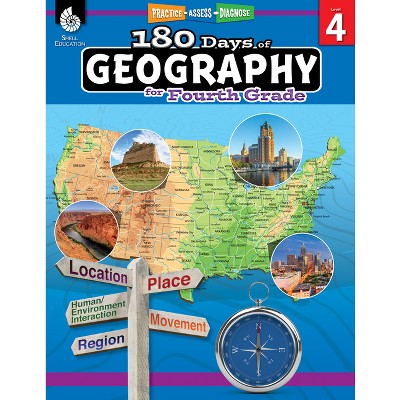
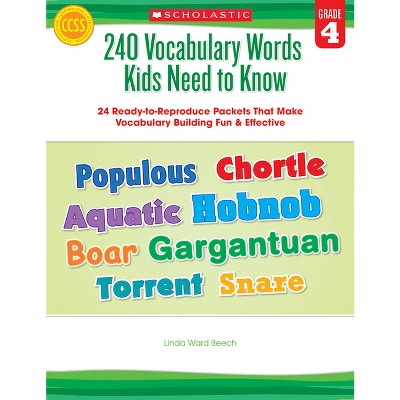
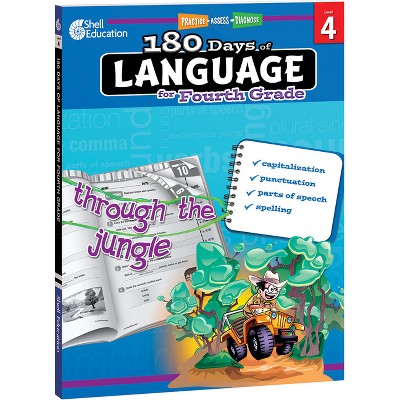
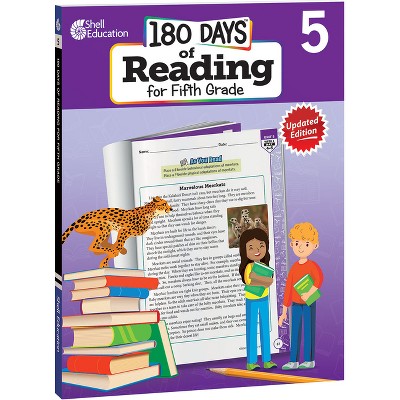
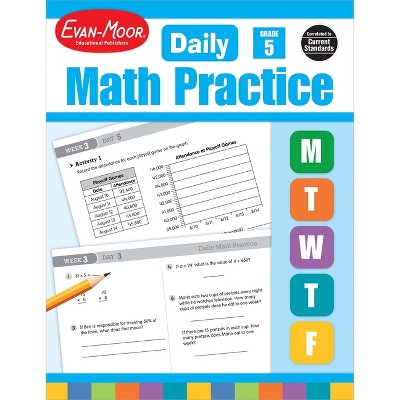
Common formats are short daily lessons (e.g., 15-minute, five-day weekly routines teaching a set of academic words) and unit-based lessons (e.g., a series of units that introduce new spelling or vocabulary lists).
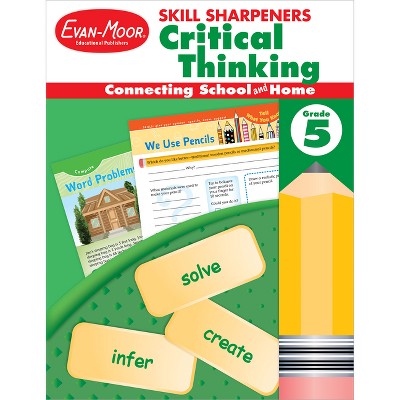
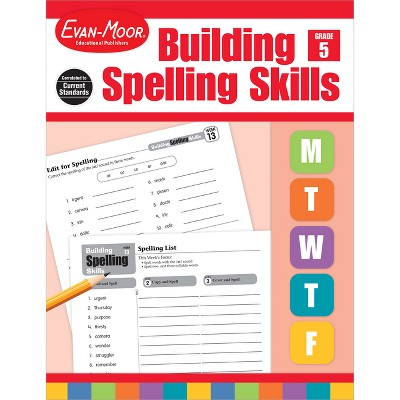
Workbooks typically include completing analogies and sentences, context-clue exercises, fill-in-the-blank and matching tasks, writing activities, crossword puzzles and riddles, plus other practice pages to reinforce new words and spelling patterns.
Many include assessment and tracking features such as answer keys, practice tests or test-taking practice, and parent/teacher support pages or downloadable teaching guides to check understanding and monitor progress.
Spelling workbooks commonly use structured word lists and pattern practice, with unit-based lists and focused practice on patterns like long/short vowel sounds, plural endings, suffixes (for example "-iy" and "-ness"), and various word-ending patterns.
There are playful picture-book options and activity pages that use wordplay and visual puzzles to introduce homophones, homonyms, and related concepts in an engaging, game-like format.
Multi-grade workbooks are usually organized into grade-level sections (3rd, 4th, 5th), often color-coded for navigation, with progressive lessons that increase in difficulty and a mix of practice activities to build and retain vocabulary across years.