Sizes vary by design. A common profile is roughly 17 inches long with overall heights around 3.5–4.33 inches, while some designs use a wider format of about 18 inches for extra coverage. Exact dimensions differ by model, so check the product specs before buying.
Most pads use a slip-on sleeve that fits over the bar plus two adjustable securing straps. Other common attachment methods include Velcro closures and buckle-style fasteners to help keep the pad from shifting during lifts.
Listings commonly show compatibility with Olympic-style bars and Smith machine bars. Some specify fit for roughly 2-inch (50 mm) Olympic sleeves, while others note compatibility with powerlifting bars (about 29 mm) and standard bars (about 25–28 mm).
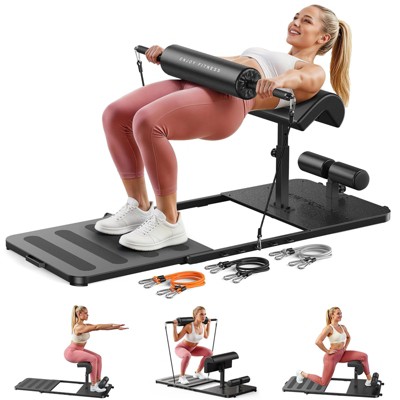
Barbell pads are used for bar-contact and lower-body movements such as squats, hip thrusts, lunges, glute bridges, and leg-press-style work, providing cushioning and shoulder/neck protection during these lifts.
Cushioning varies by product. Some pads list overall heights around 3.5–4.33 inches (block-style pads), while at least one design specifies a 1.5-inch nylon-covered foam core. Verify whether the listed measurement refers to total pad height or the foam core thickness in the product details.
Durable pads typically use wear-resistant or oil-resistant high-density foam, tear-resistant PVC backing, reinforced stress points, and heavy-duty stitching to resist tearing and extend service life.
Most pads install and remove quickly. Slip-on sleeve designs allow fast placement, and Velcro straps or buckle closures make securing and removing the pad between sets straightforward.