Wooden magnetic sets typically include two fabric-hinged dry-erase boards (one for tracking goals and one for magnet storage), a hanging cord, and multiple small magnets depicting responsibilities, behaviors, and reward markers.
They’re commonly used to track chores and daily goals, support potty-training with sticker tracking, monitor homework or behavior progress, prompt social‑emotional conversations, and create calming corners for teaching self‑regulation.
Paper incentive-chart sets often include sheets of chart seals or stickers, while wooden magnetic boards come with many small magnets; both formats are used to mark progress and deliver visual rewards.
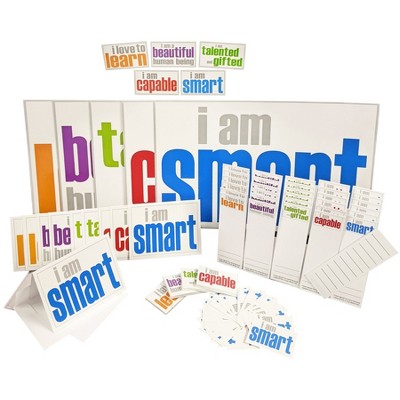
They appear as small jars filled with printed feelings slips and as poster sets (for example, nine 11×14" posters) designed to teach coping strategies and support a calming corner or emotional‑regulation area.
These tools support social skills and emotional development, language and memory skills, fine motor practice, sensory development, and general teaching or behavior‑management objectives.
They use color‑coded cards, sortable wands, pockets, and similar manipulatives to identify, sort, and track behaviors. These simple behavior‑modification tools prompt discussion about positive and negative behaviors and reinforce desired actions.