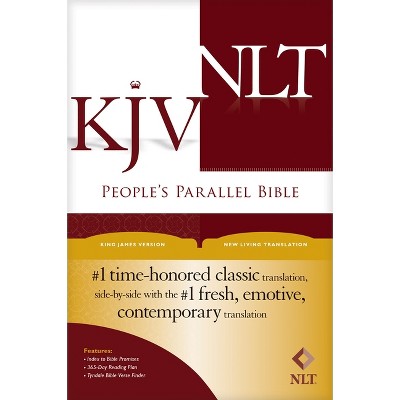
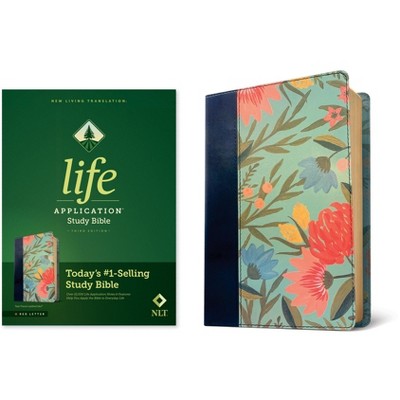
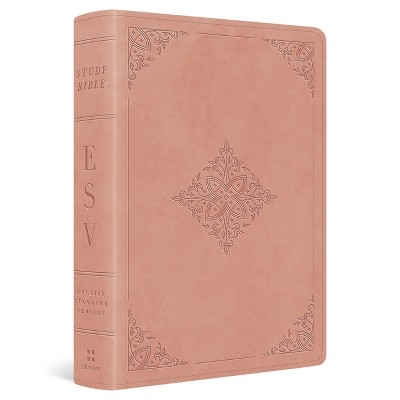
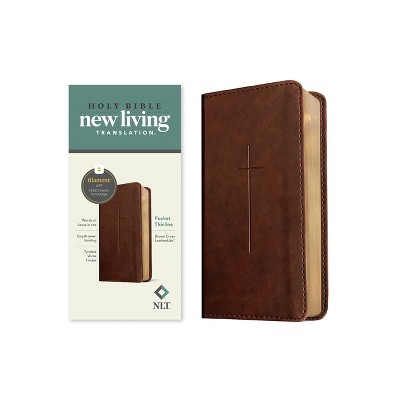
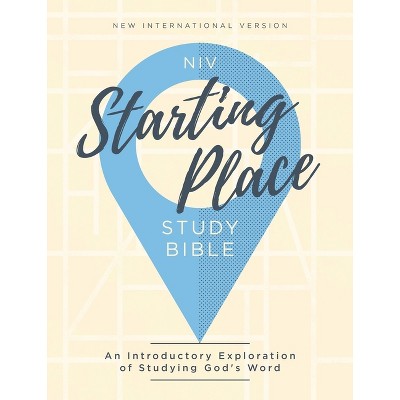
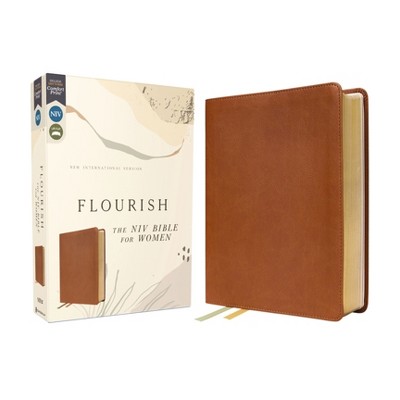
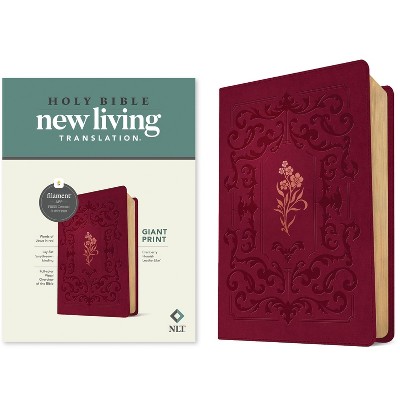
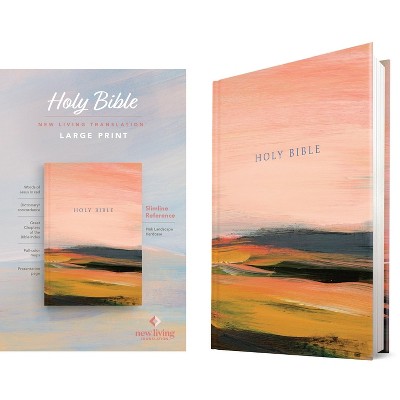
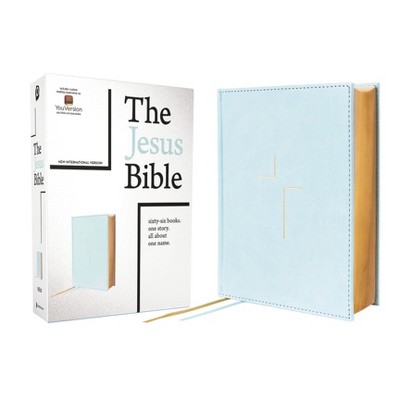
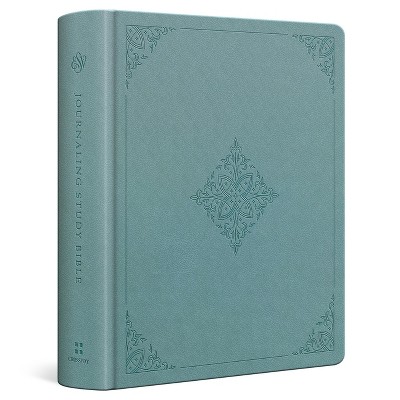
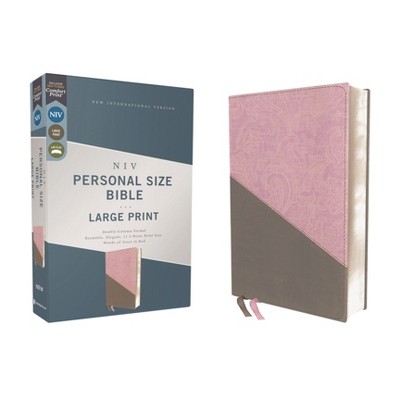
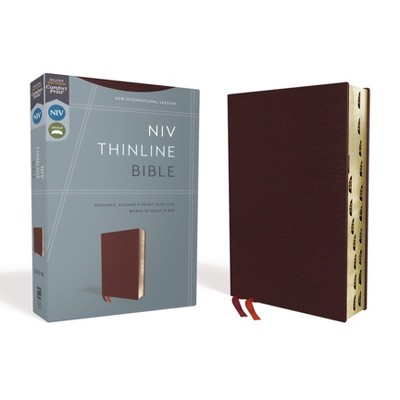
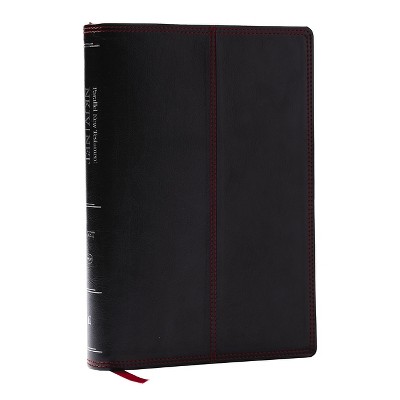
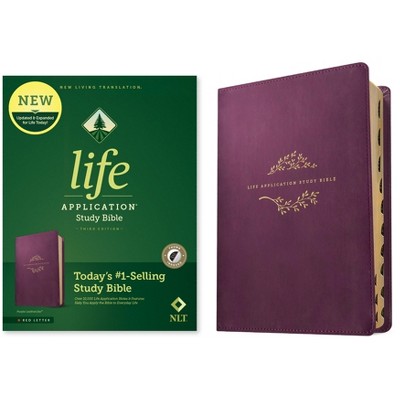
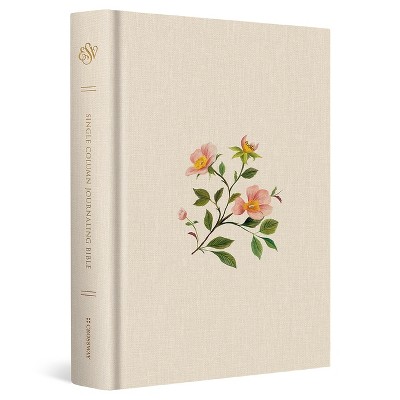
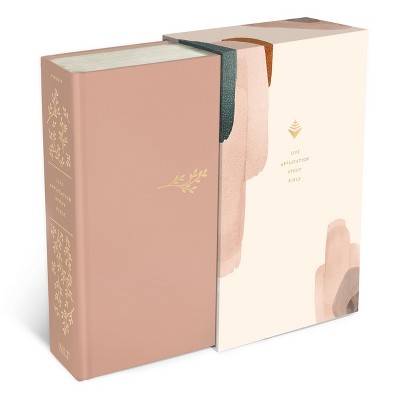
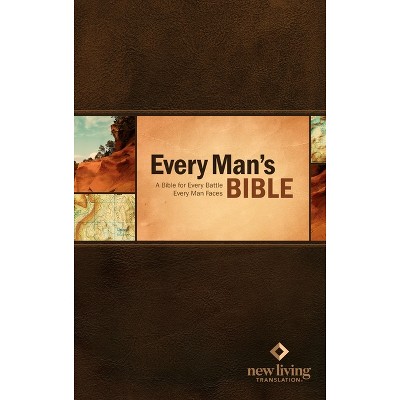
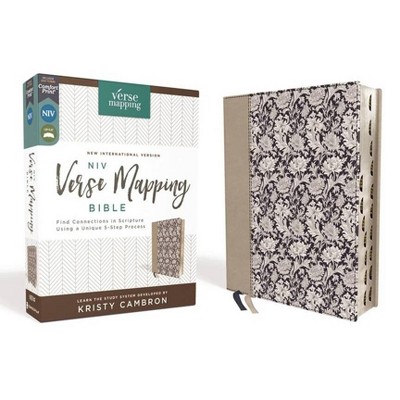
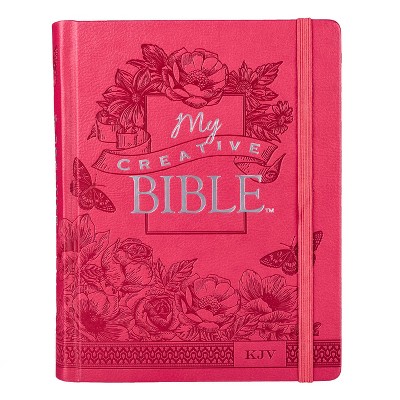
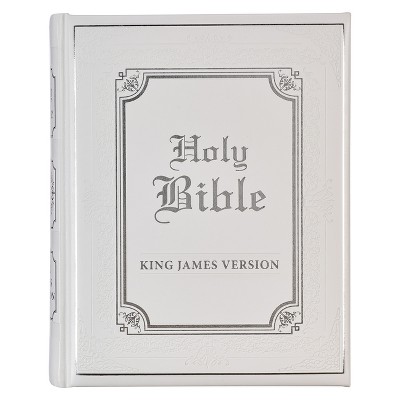
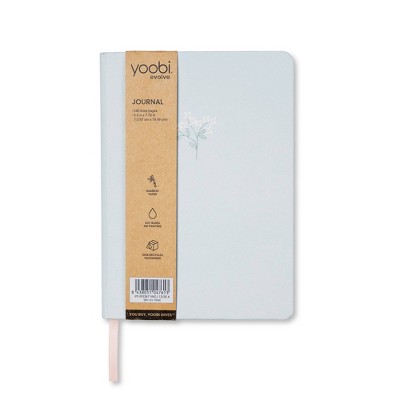
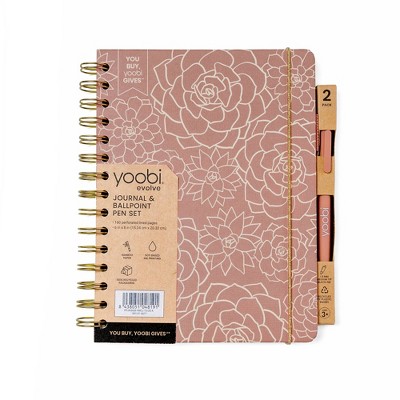
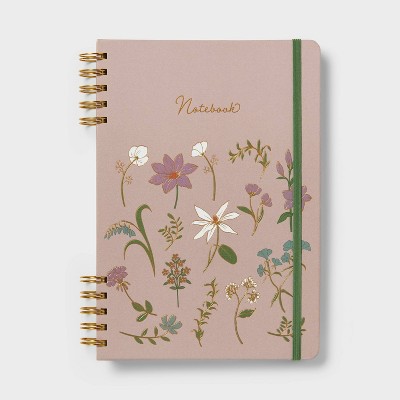
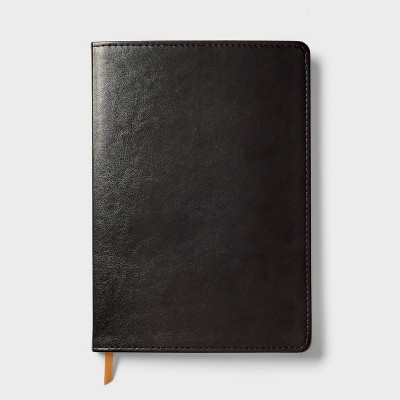
Common formats include leather‑bound editions, paperback books, and hardcover editions. Each format offers different tradeoffs: leather (or imitation leather) for a premium, durable feel; hardcovers for protection and longevity; and paperbacks for lower cost and lighter weight.
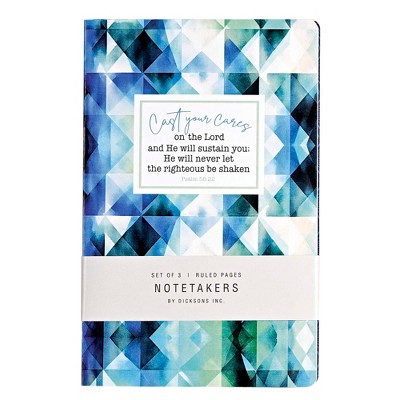
Many note‑taking Bibles provide wide, lined margins specifically for journaling—commonly around two inches—so you have space for notes, reflections, and cross‑references alongside the text.
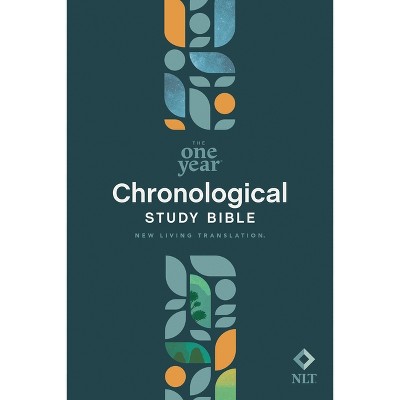
Study Bibles and guides often include structured reading plans such as one‑year Bible plans and chronological 365‑day reading schedules to guide regular engagement and study.
Page counts vary widely depending on scope and features—typically from around 200 pages for compact guides up to more than 1,400 pages for comprehensive or reference editions.
Look for Smyth‑sewn, lay‑flat bindings for durability and easy note‑taking. Imitation leather covers and built‑in ribbon markers are common features that add durability and convenient referencing.
Note‑taking editions often use a single‑column layout, about 9‑point type, two‑color interiors, and black‑letter text—combinations designed to keep passages legible while leaving margin space for notes.
Family and group guides typically provide a weekly reading plan with short daily readings (commonly six brief readings and a rest day), plus weekly insights, discussion questions, and activities designed for multiple ages.
Reference volumes offer informed answers and explanations that address linguistic, cultural, numerical, relational, and other scholarly factors to clarify puzzling or difficult passages.
Chronological resources reorder Scripture or provide section‑by‑section recaps so the story reads in historical sequence. They typically include daily readings and recaps that explain and connect each section to improve narrative flow and comprehension.