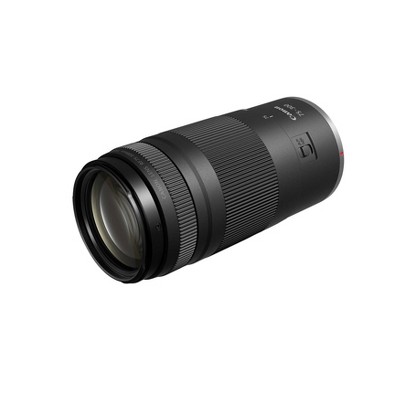
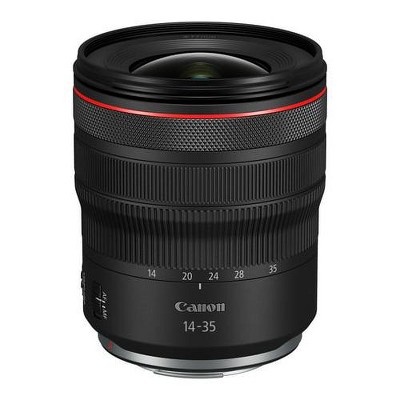
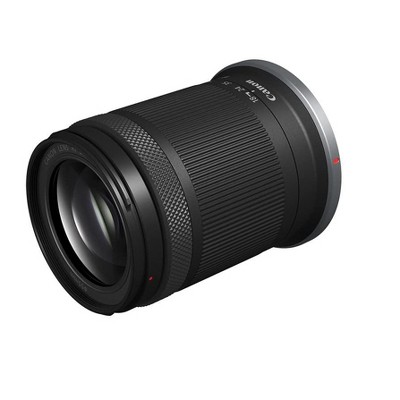
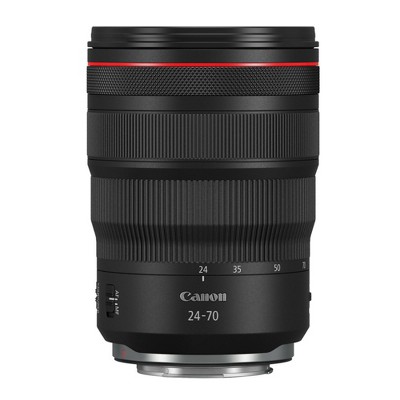
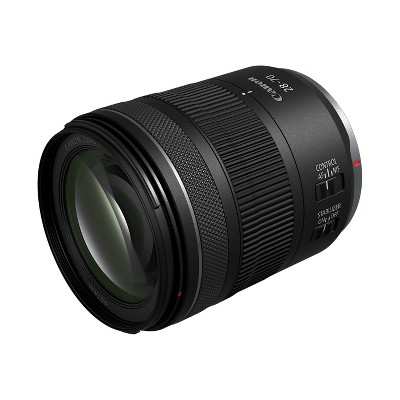
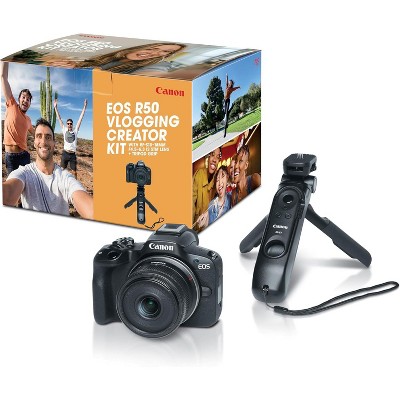
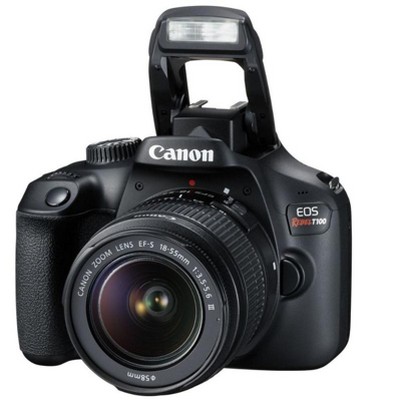
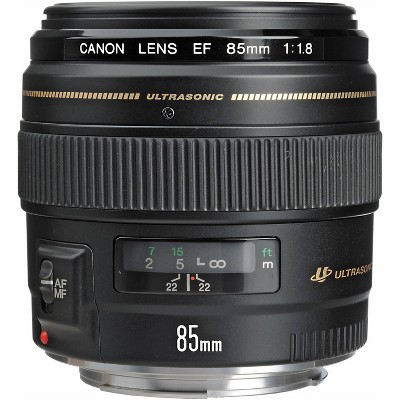
The listings show a 22mm prime marked as f/2 and a 28–70mm zoom described with a constant f/2 maximum aperture.
The compact prime uses a built-in stepping motor for smooth, quiet autofocus (suitable for video), while the 28–70mm RF zoom uses a ring-type Ultrasonic Motor that provides fast, quiet AF plus full-time manual-focus control.
Blade counts differ: one lens uses a circular 7-blade aperture and the other has a rounded 9-blade diaphragm. Both designs are intended to produce pleasing, smooth background blur, with more rounded blades typically giving smoother out-of-focus highlights.
Both lenses highlight their bright f/2 maximum aperture as the main low-light advantage. The 22mm prime is described as offering exceptional low-light performance, while the 28–70mm zoom is noted for excellent low-light capability thanks to its constant f/2 design.
The compact prime mentions an aspheric element, and the zoom’s design includes Ultra-Low Dispersion (UD) glass. Both elements are cited as helping improve resolution and reduce aberrations.
A configurable control ring is mentioned; it can be assigned to adjust exposure-related settings such as ISO, aperture, or exposure compensation directly from the lens.