Target New ArrivalsChristmasGift IdeasHoliday Kids CatalogHome & DecorToys & GamesElectronics & TechVideo GamesGift CardsClothing, Shoes & AccessoriesGroceryBabyBeautyTarget Beauty StudioPersonal CareHousehold EssentialsHealthWellnessBooks, Music & MoviesSports & OutdoorsPetsSchool & Office SuppliesParty SuppliesAutomotiveTarget OpticalClearanceNew ArrivalsChristmasGift IdeasTop DealsTarget Circle DealsWeekly AdShop Order PickupShop Same Day DeliveryRegistryRedCardTarget CircleFind Stores

canon f2

141 results for “canon f2”
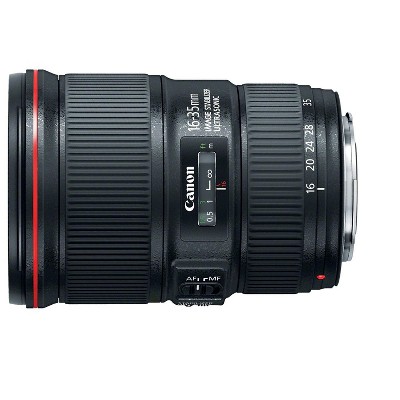
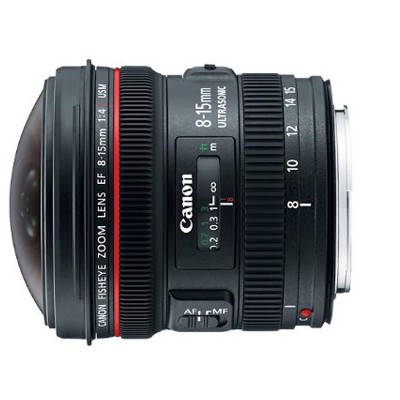
Canon EF 16-35mm f/4L is USM Lens - 9518B002, Black

See price in cart

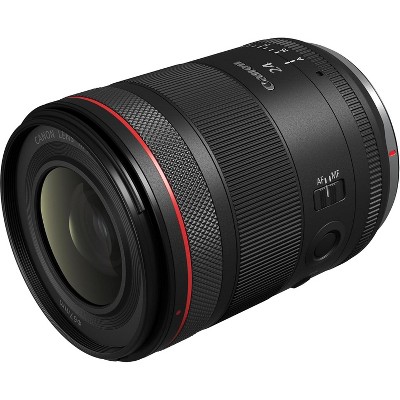
RF24mm F1.4 L VCM

See price in cart

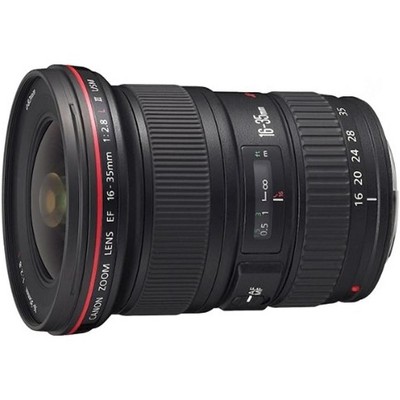
Canon EF 16-35mm f/2.8L II USM Ultra Wide Angle Zoom Lens

See price in cart

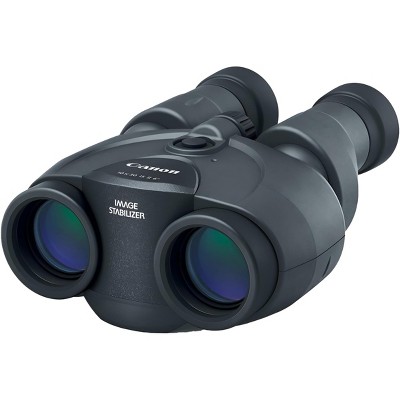
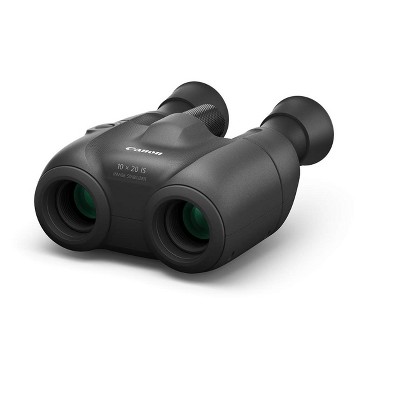
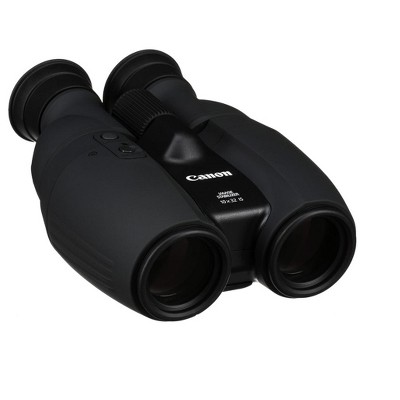
Canon 10x30 Image Stabilization II Binoculars

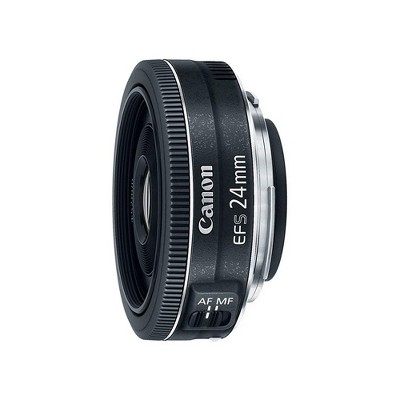
Canon EF-S 24mm f/2.8 STM Lens

$229.49
4.9(48)
Loved for: lightweight

Sponsored

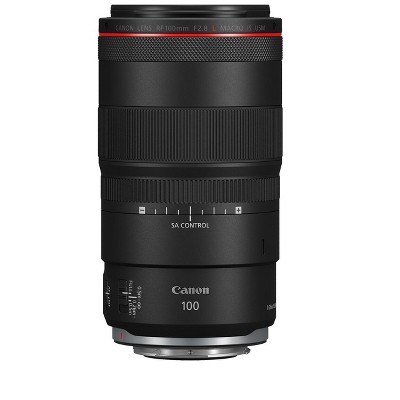
Canon RF 100mm f/2.8L Macro IS USM Lens

$1,349.00
4.5(16)
Loved for: image quality

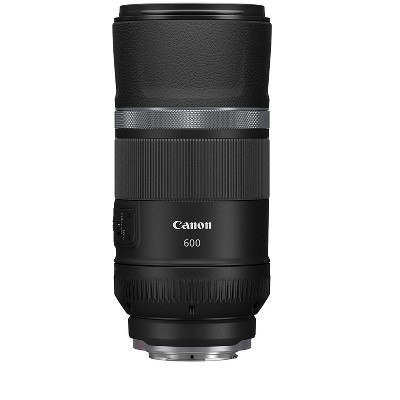
Canon RF600/11 is STM(N) (3986C002)

See price in cart
4.8(11)
Loved for: lightweight design

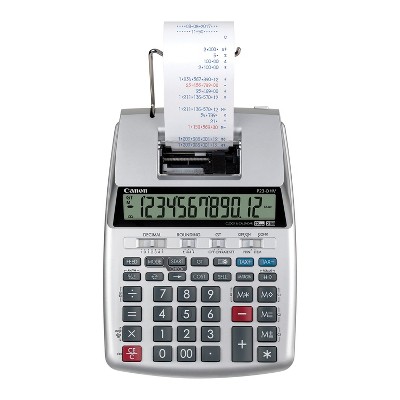
Canon® P23-DHV-3 Printing Calculator

Sponsored

Powered by AI

Guests also ask:

The listings show a 22mm prime marked as f/2 and a 28–70mm zoom described with a constant f/2 maximum aperture.

The compact prime uses a built-in stepping motor for smooth, quiet autofocus (suitable for video), while the 28–70mm RF zoom uses a ring-type Ultrasonic Motor that provides fast, quiet AF plus full-time manual-focus control.

Blade counts differ: one lens uses a circular 7-blade aperture and the other has a rounded 9-blade diaphragm. Both designs are intended to produce pleasing, smooth background blur, with more rounded blades typically giving smoother out-of-focus highlights.

Both lenses highlight their bright f/2 maximum aperture as the main low-light advantage. The 22mm prime is described as offering exceptional low-light performance, while the 28–70mm zoom is noted for excellent low-light capability thanks to its constant f/2 design.

The compact prime mentions an aspheric element, and the zoom’s design includes Ultra-Low Dispersion (UD) glass. Both elements are cited as helping improve resolution and reduce aberrations.

A configurable control ring is mentioned; it can be assigned to adjust exposure-related settings such as ISO, aperture, or exposure compensation directly from the lens.

Sponsored

Get top deals, latest trends, and more.