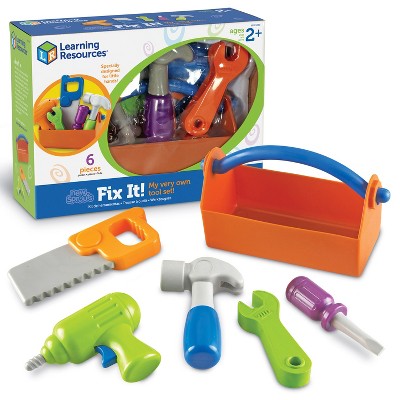
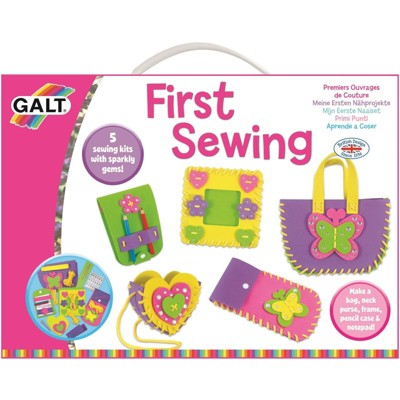
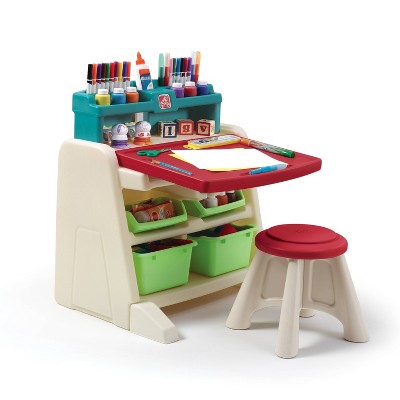
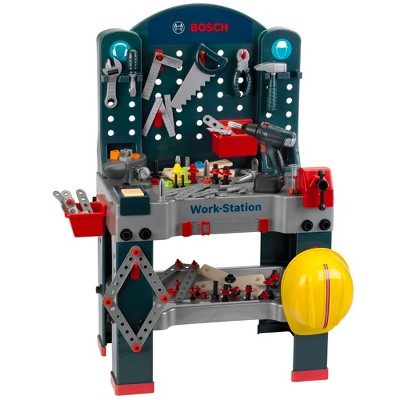
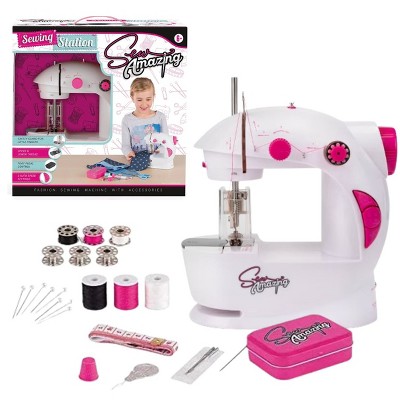
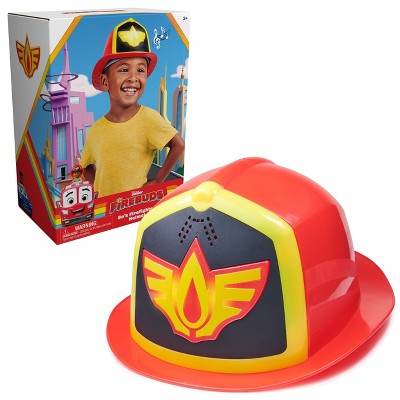
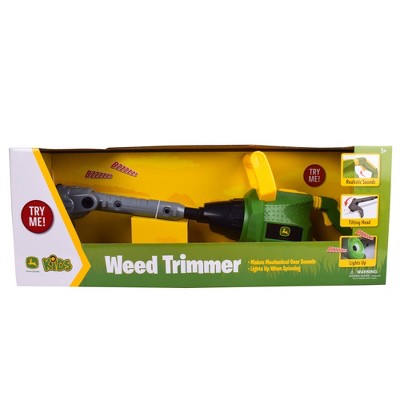
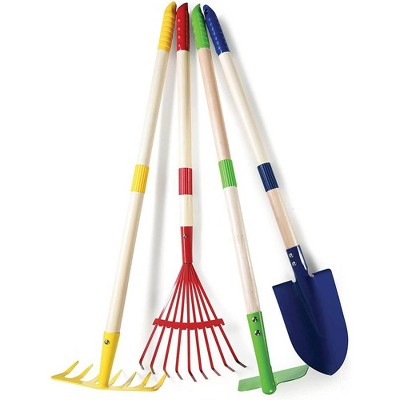
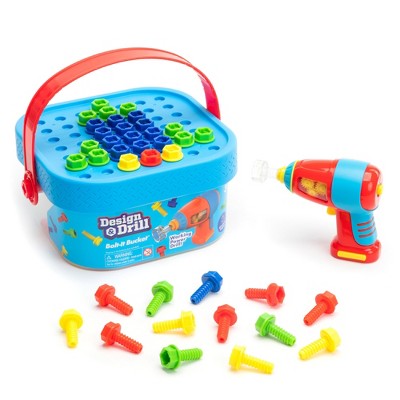
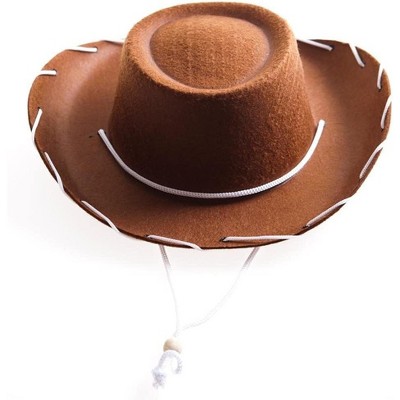
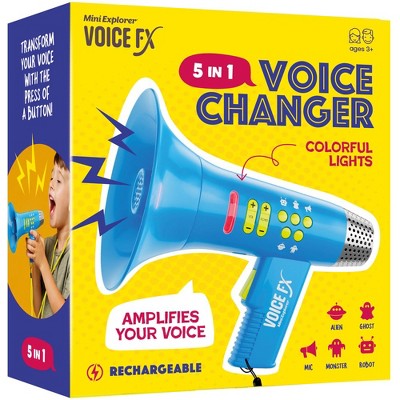
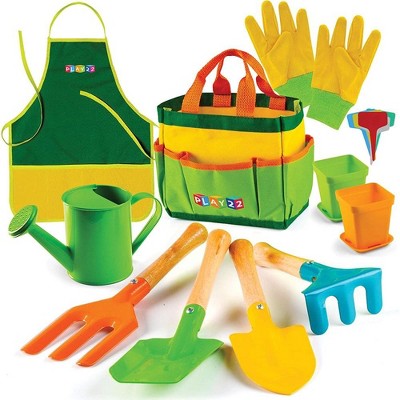
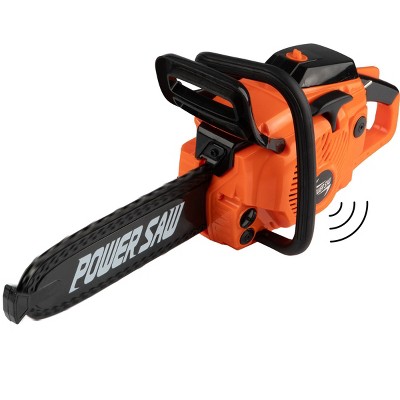
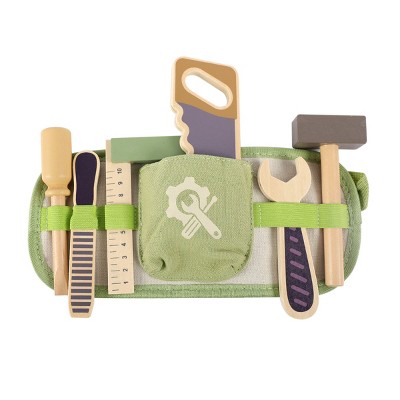
Most kid-sized tools and sets target toddlers and preschoolers. Product listings commonly show labels such as "2 Years and Up", "2–5 Years", or "3 Years and Up." Always check the specific product's recommended age on the listing or packaging to confirm suitability for your child.
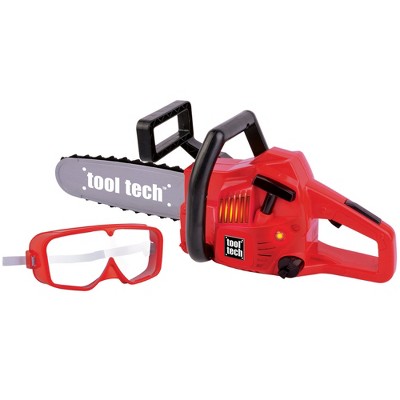
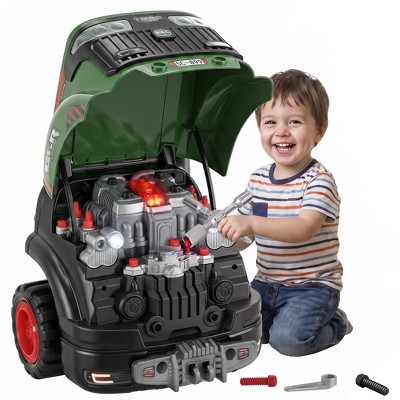
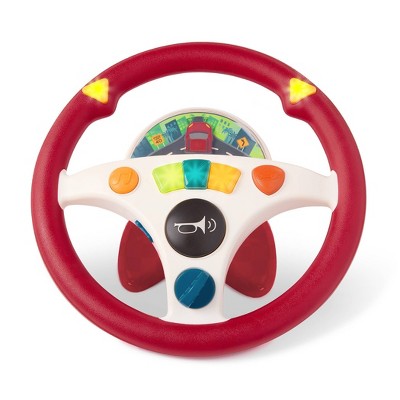
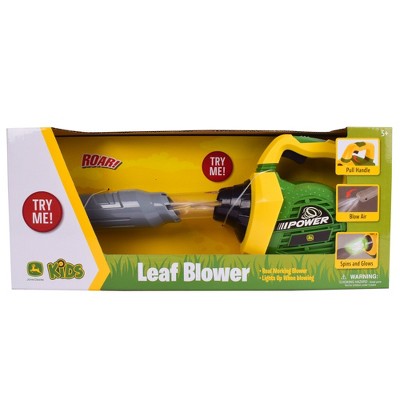
Power needs vary: some toys require no batteries, others are electric, and many battery-powered toys use AA or AAA cells (examples include "2 AA Alkaline" and "2 AAA Alkaline"). Listings often note "batteries required but not included," so review the product details before purchasing.
These toys commonly advertise benefits such as fine motor skill practice, gross motor development, creativity and imaginative play, problem-solving, and sensory or teaching-aid features that support early learning.
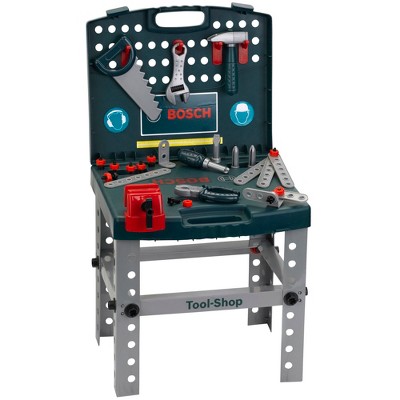
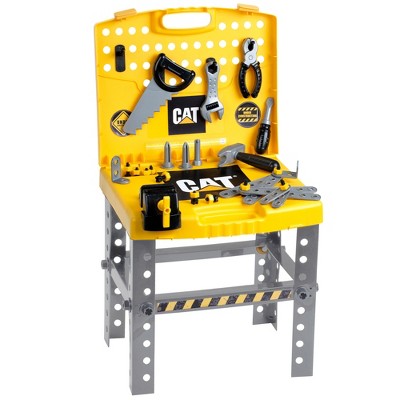
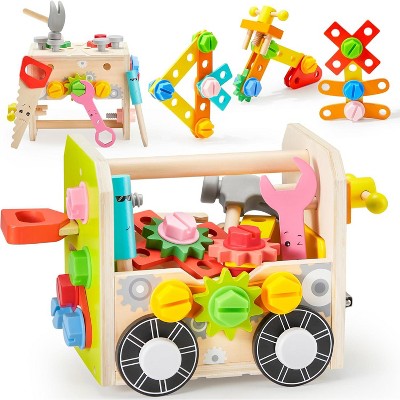
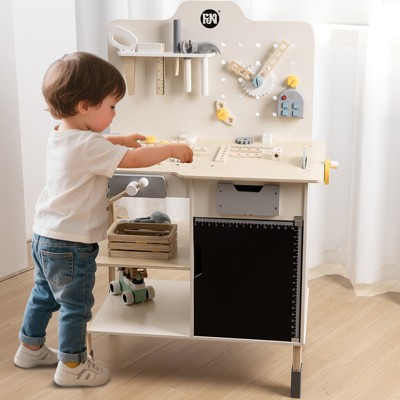
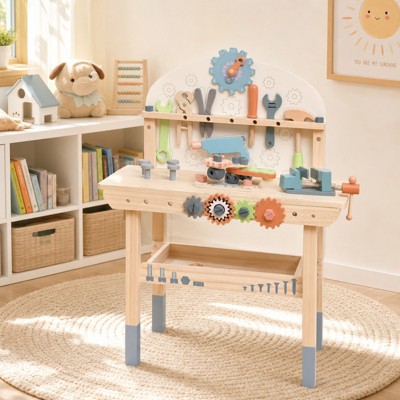
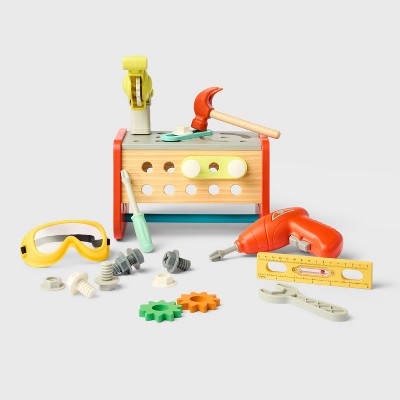
Assembly varies by product: many smaller toys state "No Assembly Required," while larger workbenches and multi-piece sets often list "Adult Assembly Required." Check the product description for assembly requirements and any tools or time estimates.
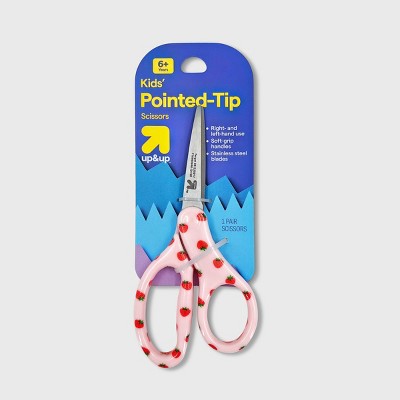
Child-friendly scissors typically have a small overall size and soft plastic handles for a comfortable grip, stainless steel blades, and tip options (blunt or pointed). Some designs accommodate left- or right-handed use. Review blade type and handle shape to choose the safest fit for your child.
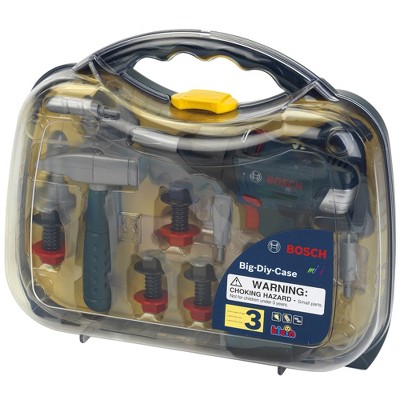
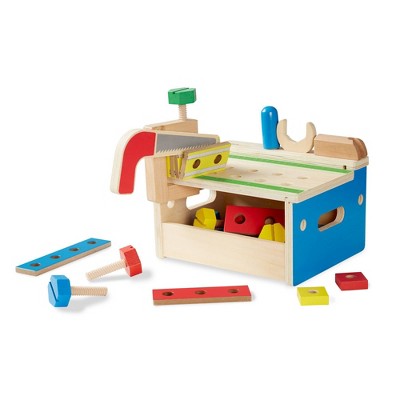
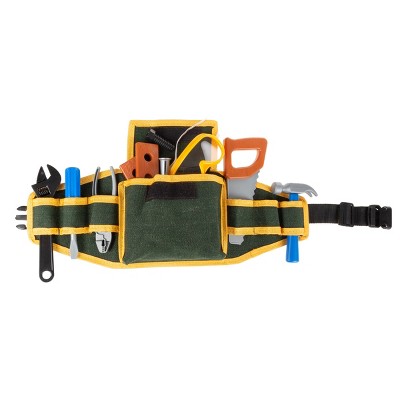
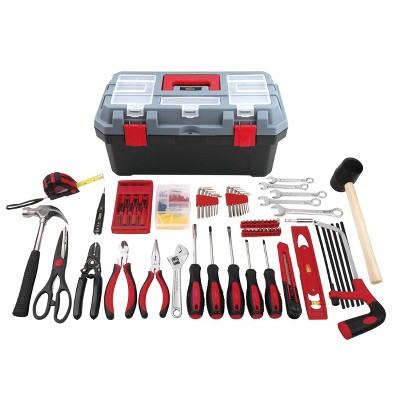
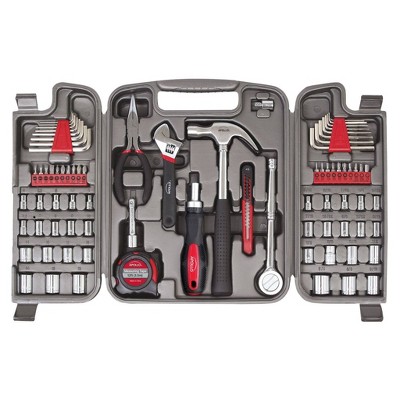
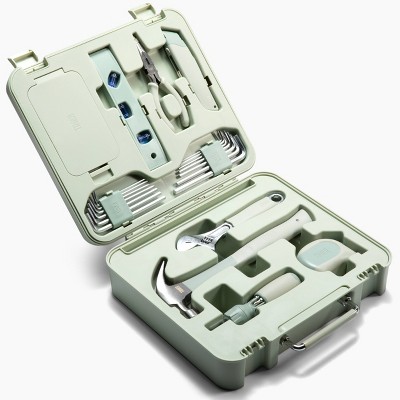
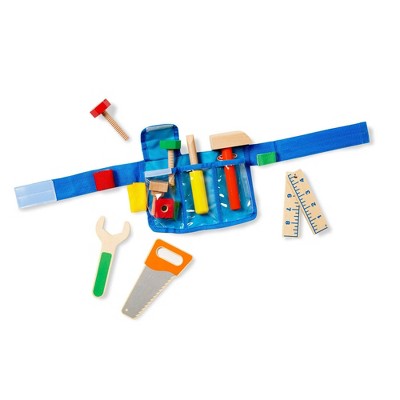
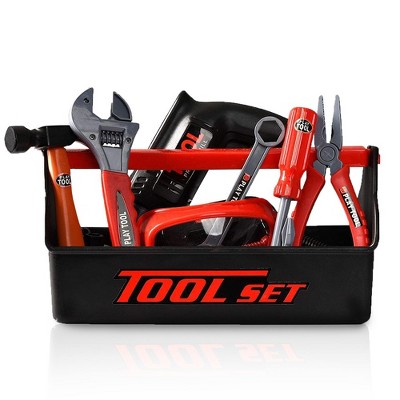
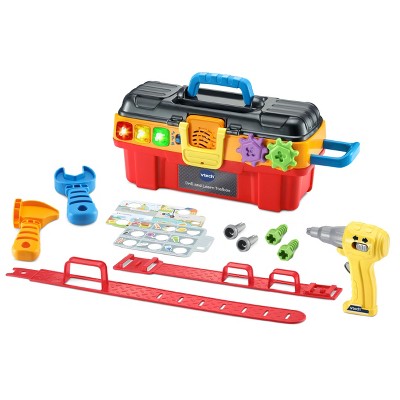
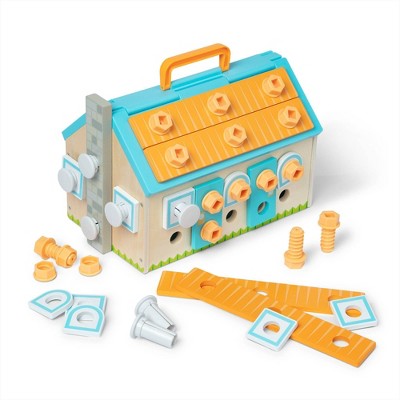
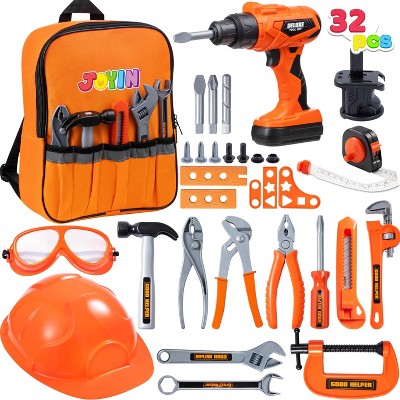
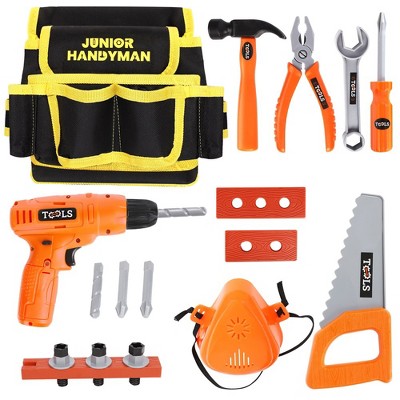
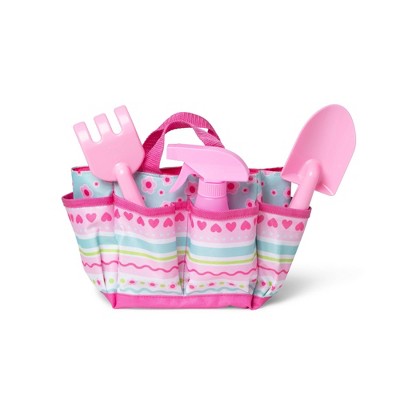
Portability and storage are common design priorities: many sets include carry handles for transport, toolboxes designed so pieces can be stored inside after play, and accessories that fit snugly into designated slots or hang on pegs. Check the product photos and description to confirm the storage solution.