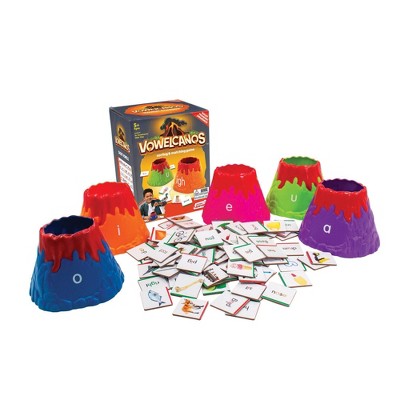
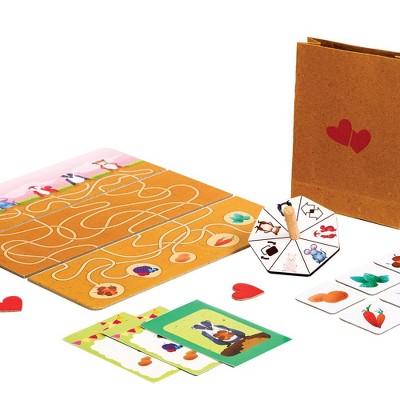
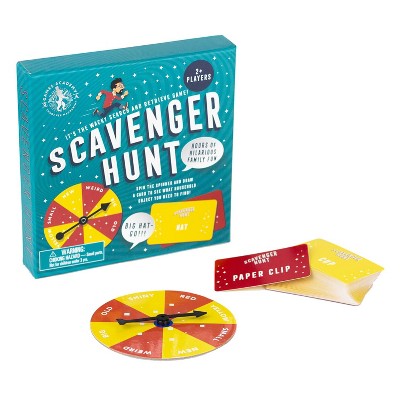
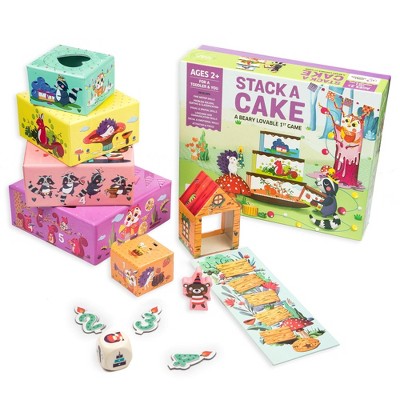
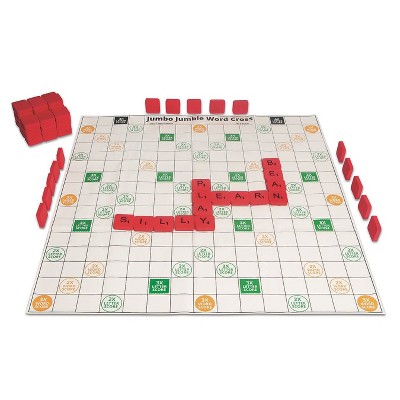
Common activities focus on color recognition, matching, sorting, and color-based retrieval. Examples include spinner-and-grab mechanics, collecting colored pieces, and toys that speak or label colors (sometimes in multiple languages).
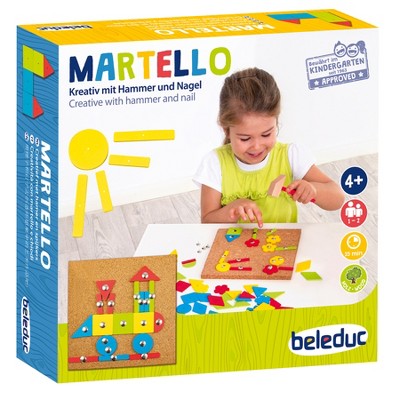
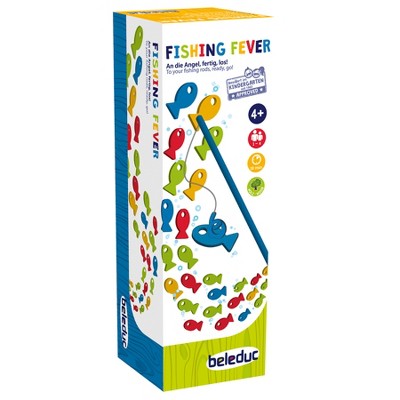
Many color games pair fine-motor tools with color tasks: toddlers use squeezers, tweezers, tongs, or rods to pick up and move colored pieces. That repeated picking, placing, and sorting strengthens hand coordination and hand–eye coordination while reinforcing color recognition.
Commonly listed age ranges include: 0–12 months; 6–36 months; 2 years and up; 2–3 years; and 3 years and up. Check the specific product listing for the exact recommended age for each game.
Many color toys use plastic components, and several games or pieces are made of wood or include wooden components.
Common educational focuses include color and shape recognition, matching and sorting, fine-motor and hand–eye coordination, and early counting and language skills.
Electronic toys often use multicolor lights, spoken color names, and sound/music modes and typically require batteries. Manual games rely on colorful physical pieces, spinners, or boards and generally need no batteries.
Some games include storage-friendly packaging or a storage box that doubles as the activity set, making cleanup and storage easier.