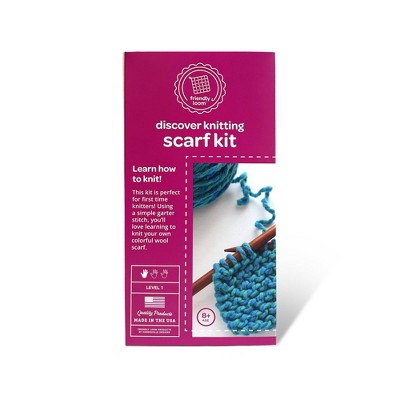
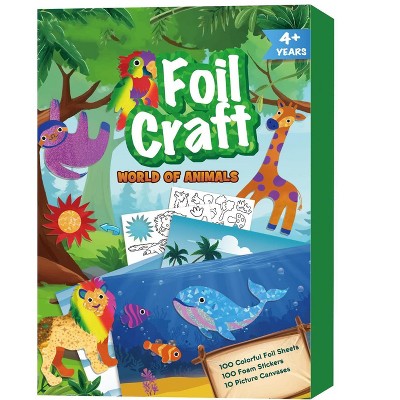
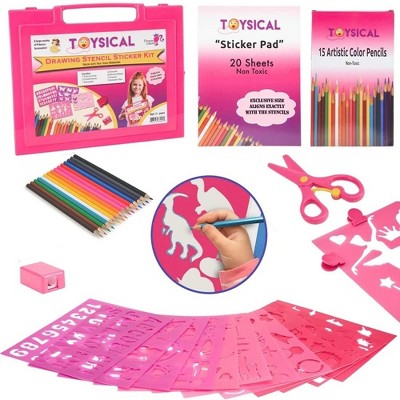
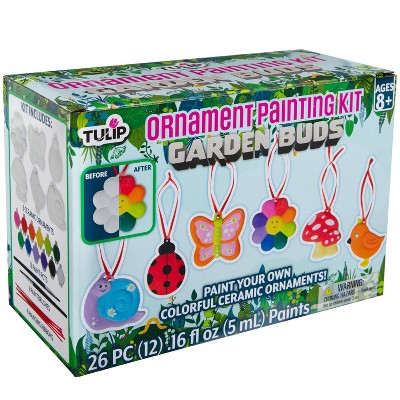
Most kits are labeled for a broad range from preschool through early teens. Common age starts are 3 or 4 years, and many kits extend up to 12, 14, or older—covering early childhood through early teen levels.
Kits often include paper, various plastics and wood, plus project-specific materials such as ceramic and acrylic paints. You’ll also see polymers like polypropylene and polystyrene used depending on the craft.
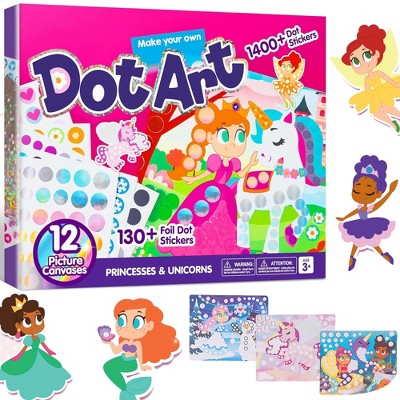
Kids’ craft kits commonly support creative thinking, hand–eye coordination, and color recognition. Some kits (for example, dot-marker activities) also include exercises that reinforce letters, numbers, and early reading or spelling skills.
Many kits are designed for portability and storage: several include carrying cases, storage boxes, or reusable bins to keep supplies organized for travel, playdates, or compact storage.
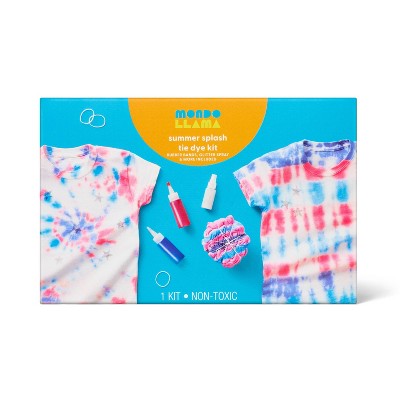
Many kits explicitly state “non-toxic” or “nontoxic.” Some include CPSC choking-hazard warnings for small parts, and at least one product references ASTM D4236 compliance for art materials.
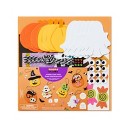
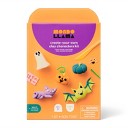
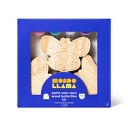
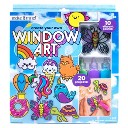
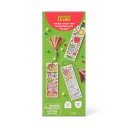
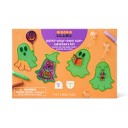
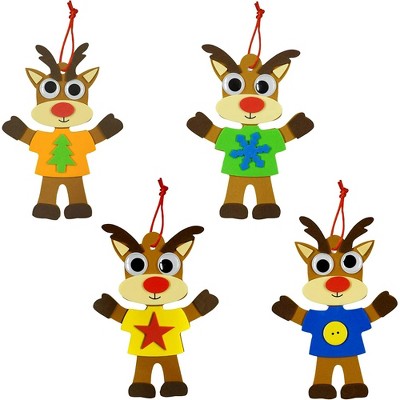
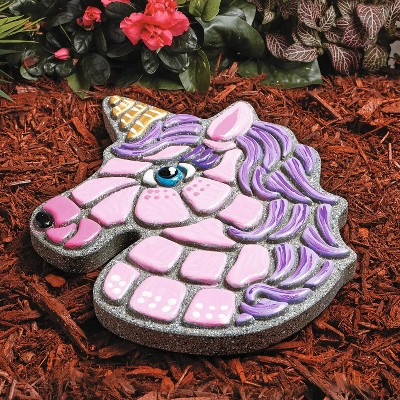
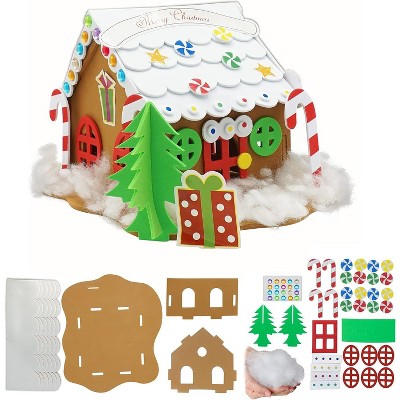
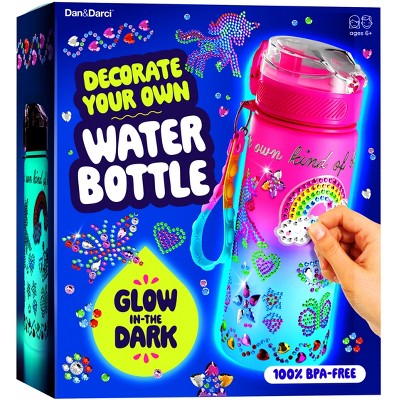
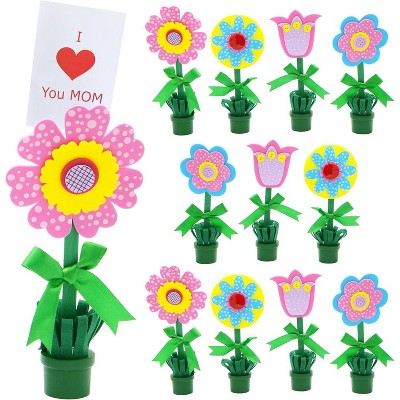
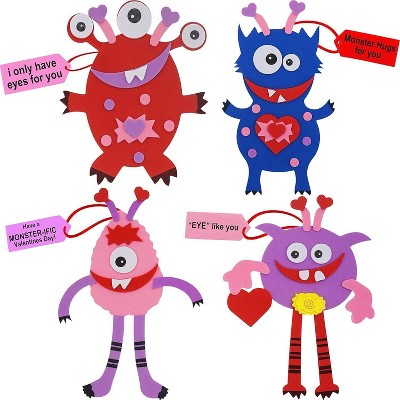
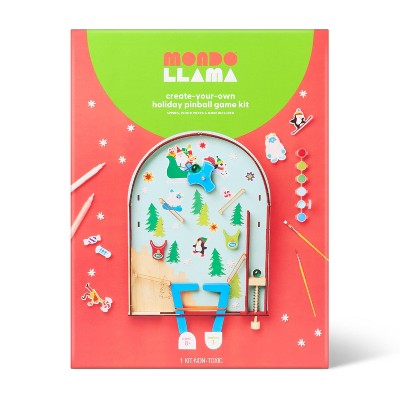
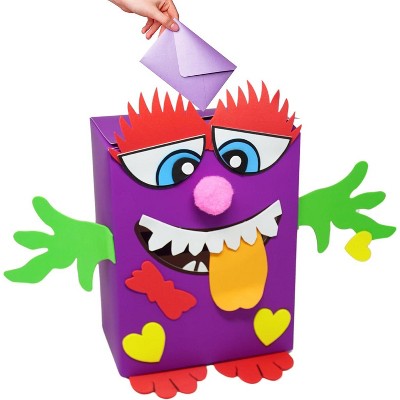
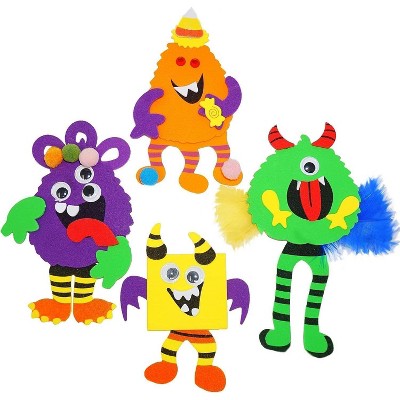
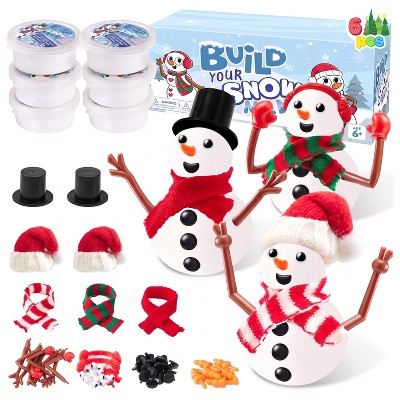
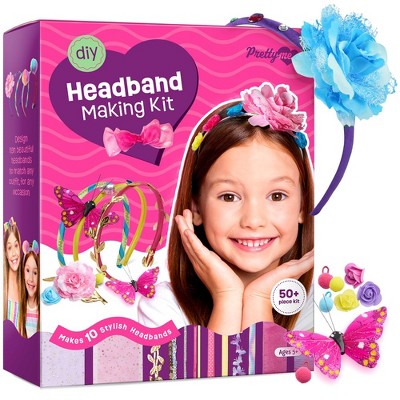
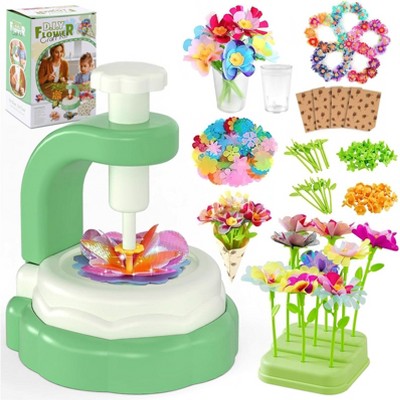
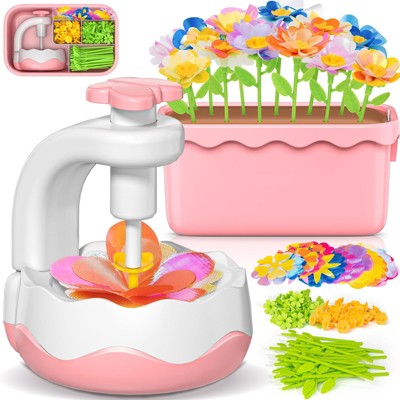
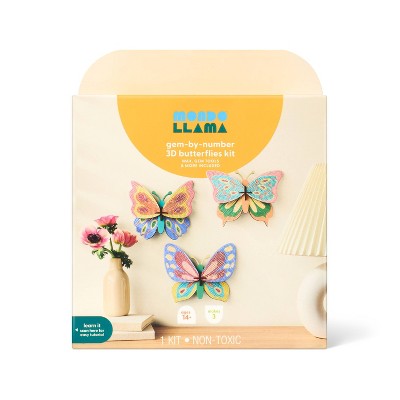
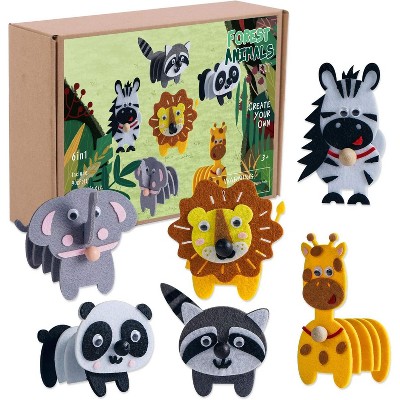
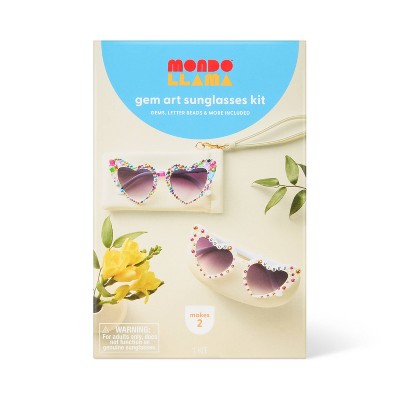
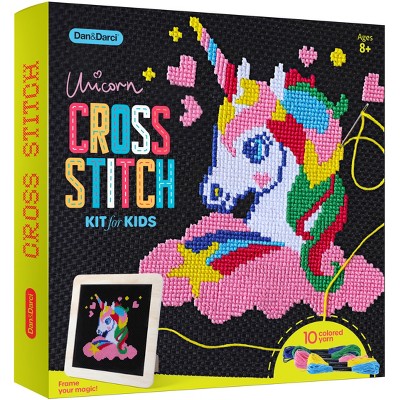
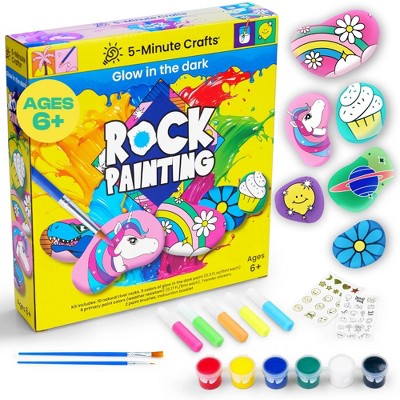
Kits produce a wide range of finished projects, including tie-dye garments and accessories, painted 3D ceramic figures, gem-by-number posters (e.g., rainbow and unicorn designs), create-your-own clay characters, and assembled painted wood displays like flower decorations.
Kits typically include instruction sheets and activity or pattern idea booklets. Some provide more extensive guides such as multi-page activity books (e.g., a 50-page booklet), color-mixing charts, or step-by-step pattern instructions.