Target New ArrivalsChristmasTarget Black FridayGift IdeasHoliday Kids CatalogHome & DecorKitchen & DiningToys & GamesElectronics & TechVideo GamesGift CardsClothing, Shoes & AccessoriesGroceryBabyBeautyTarget Beauty StudioPersonal CareHousehold EssentialsHealthWellnessBooks, Music & MoviesSports & OutdoorsPetsSchool & Office SuppliesParty SuppliesAutomotiveTarget OpticalClearanceNew ArrivalsChristmasGift IdeasTop DealsTarget Circle DealsWeekly AdShop Order PickupShop Same Day DeliveryRegistryRedCardTarget CircleFind Stores

discovery electronic gadget lab

204 results for “discovery electronic gadget lab”
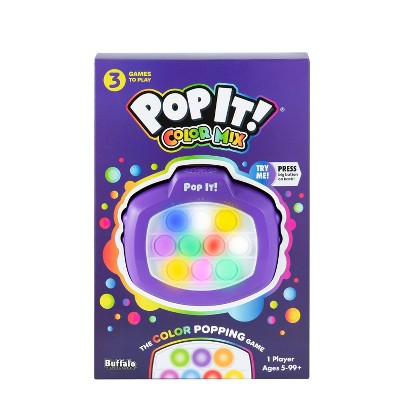
Buffalo Games: Pop It! Pro Color Mix Electronic Game

Sponsored

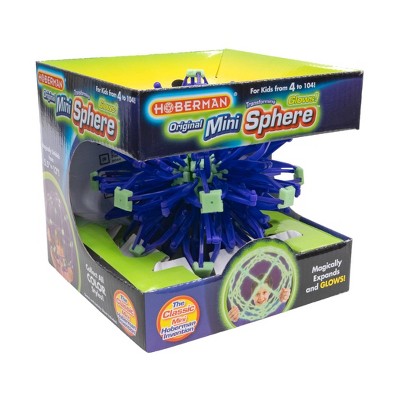
Hoberman Mini Sphere Expanding Universe Glow

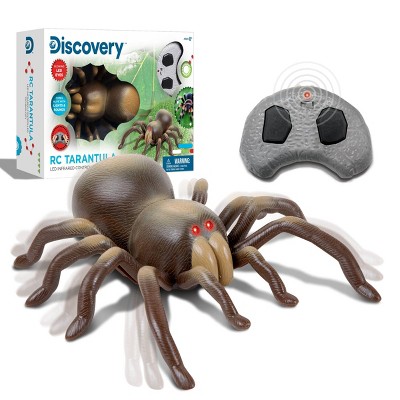
Discovery RC Tarantula Spider

$16.19
4.6(53)
Loved for: realistic appearance

Sponsored

Powered by AI

Guests also ask:

Discovery electronic gadget labs target a broad range of ages. Listings in this set include kits labeled for roughly 3–12 years, 5+ years, 8+ years and at least one labeled 10+. Check the specific product label for the exact recommended age.

Battery and power requirements vary across kits. Examples include: 2 × AA (required, not included), 3 × AA (listed as required), one kit packaged with a single 18650 lithium cell, and a few kits that do not use batteries. Several simply state “battery required, not included.”

Several kits include visual or graphical coding interfaces and coding challenges, typically starting with block-based programming and some offering a progression to text languages such as Python or JavaScript. A number of kits also support wireless control from a smartphone or tablet.

Most kits include illustrated, step-by-step manuals or project cards. Classroom-oriented bundles often add teacher guides and student workbooks to support lesson plans and group activities.

These kits cover core electronics and circuitry (series/parallel circuits, voltage/current, and components), introduce coding basics (often block-based with paths to Python/JavaScript), and teach robotics and sensor concepts. They also promote broader skills such as creativity, problem solving and fine motor development.

Assembly methods vary by kit: many use snap-together parts that require no tools, some use screw-and-build assembly (usually with a kid-friendly screwdriver), others use real wiring or wiring-ready components, and at least one uses a spring hook-up connection method.

Packaging varies: consumer sets are often sold in colorful, gift-style boxes, while classroom kits typically include carrying cases plus teacher guides, student workbooks, spare parts and activity materials for group use.

Sponsored

Get top deals, latest trends, and more.