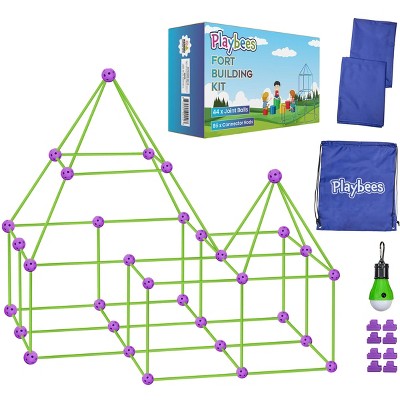
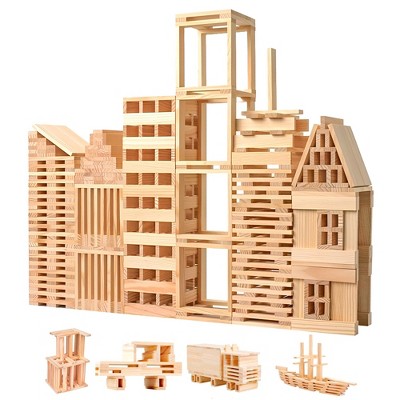
Most kits use molded plastics (commonly polypropylene or ABS). Some include real wood parts or foam pieces marketed as 'pretend wood.' Variations include all‑plastic sets, plastic+wood combinations, and foam-based construction pieces — check the product listing for exact materials.
Listings commonly cite benefits such as creativity, fine motor skill development, hand‑eye coordination, problem solving, and early STEM/engineering learning. Manufacturers position these kits to support both motor and cognitive development through hands‑on play.
Yes. Many sets are designed as portable toolboxes or convertible benches with carrying handles, storage trays or compartments, and hooks to keep tools organized. Some models fold or convert for easier transport — check product details for specific features.
Target ages vary by product. Example listings show a wide span — from infancy/teen extremes (0–18 years) to toddler ranges (2–5 years), preschool/early school ranges (3–10 years), and general labels like '3 years and up.' Always check the product's recommended age before buying.
Many kits include battery‑powered drills and saws with spinning action and sound effects, working buttons that trigger noises, and occasional battery‑powered flashlights. Product descriptions often emphasize realistic motion and electronic sounds.
Some construction sets use foam to simulate 'pretend wood,' while others include plastic or real wood components. Materials vary by product, so check the product specifications to see whether pieces are foam, plastic, or wood.