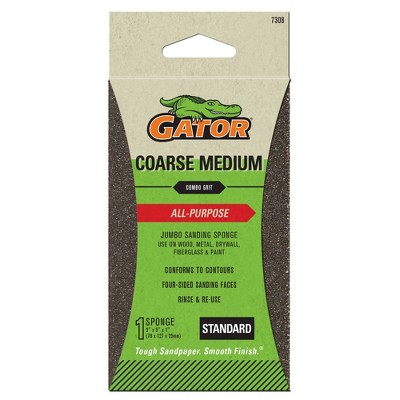
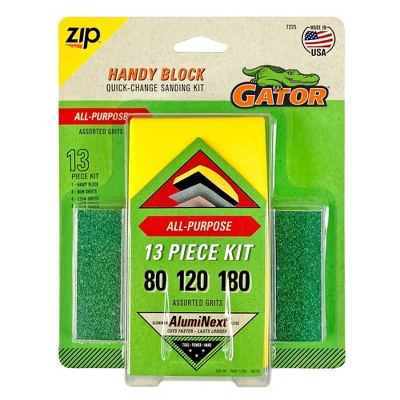
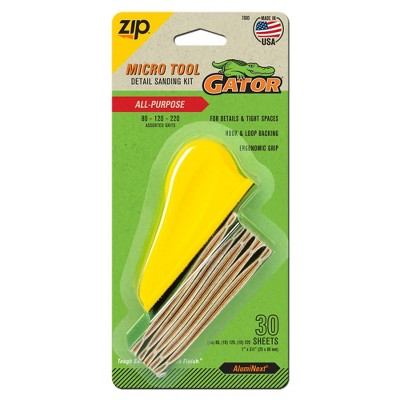
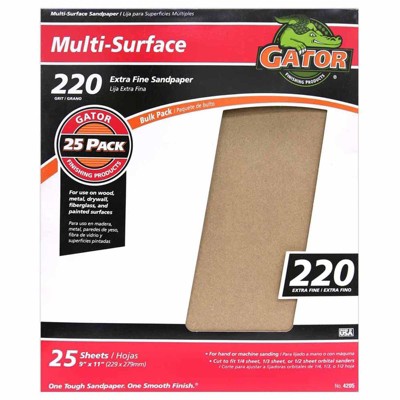
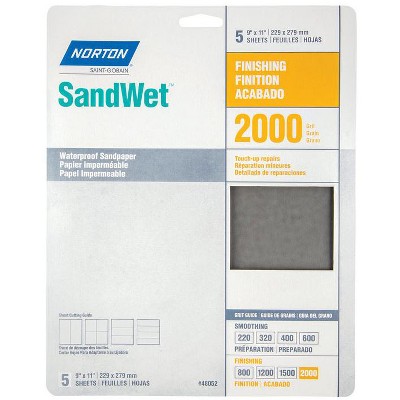
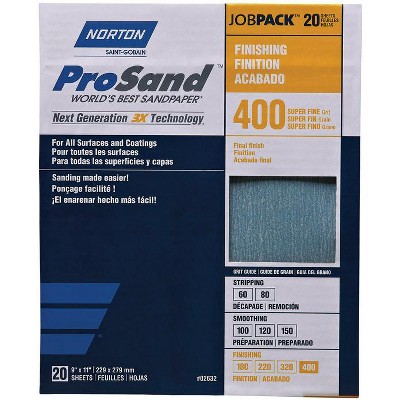
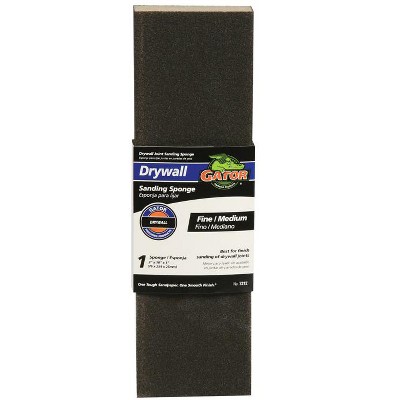
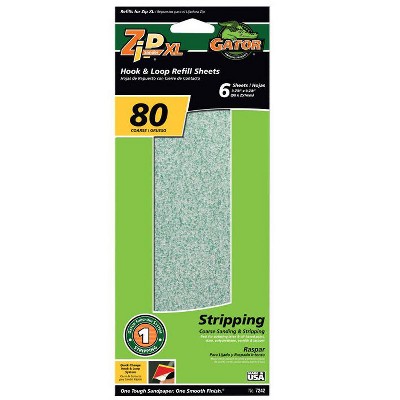
Sanding sponges are recommended for a variety of surfaces, commonly including drywall, painted surfaces, wood, metal, fiberglass and some plastics.
Many sanding sponges are extra flexible or thin so they conform to curved or irregular shapes. Several designs use a multi-sided (often four-sided) format to help access corners and other hard-to-reach areas.
Yes — several product descriptions note that sanding sponges can be rinsed or cleaned and then reused, extending their useful life for multiple tasks.
Descriptions commonly list aluminum oxide as the abrasive grain and resin bonding to lock the abrasive to the foam, which helps with durability and longevity.
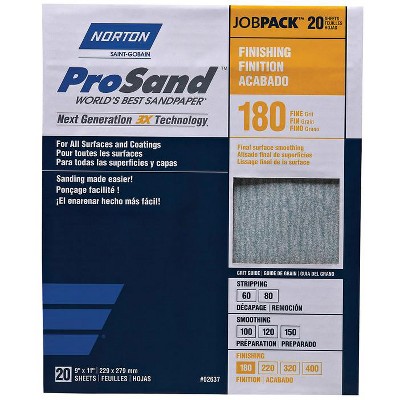
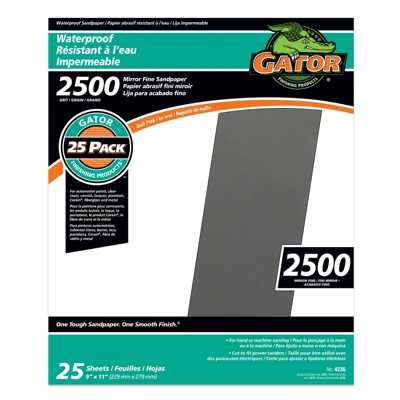
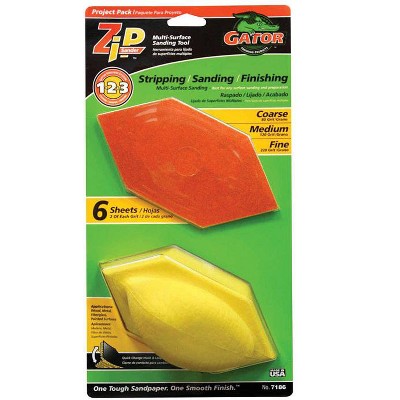
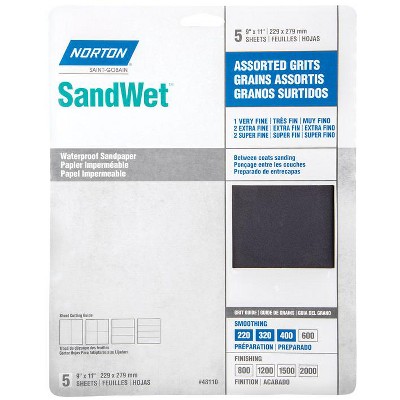
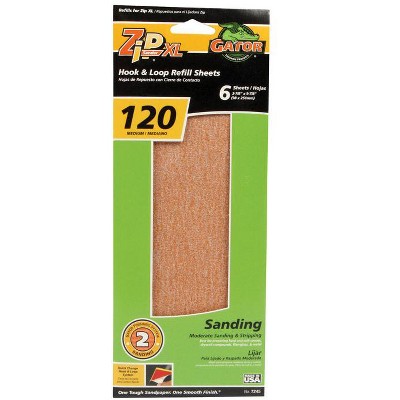
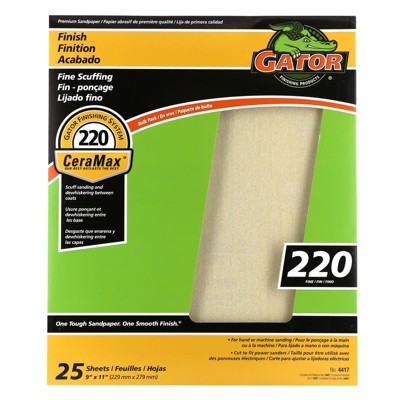
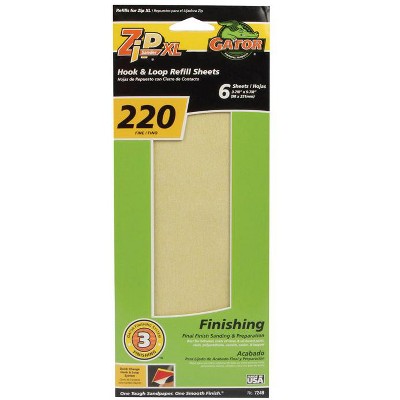
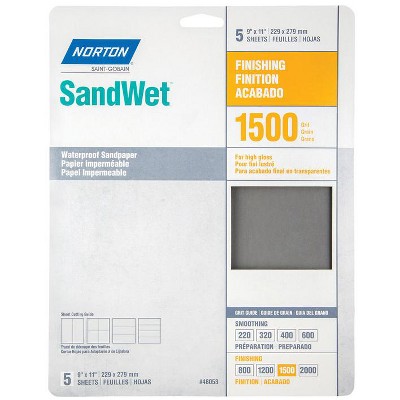
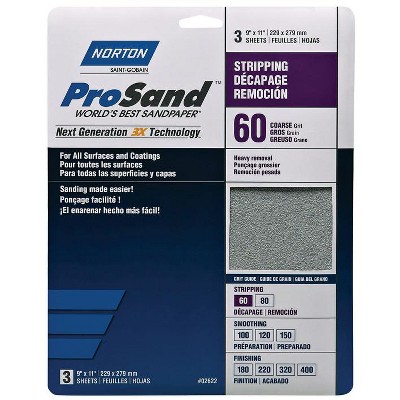
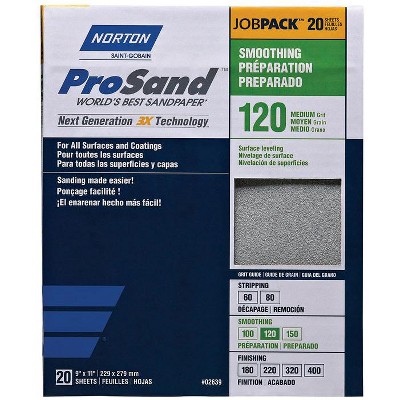
Manufacturers offer a wide grit range to cover start-to-finish drywall work, from coarser grades up through medium and fine. Examples shown in listings include combinations like “120/80,” single grits such as 180, and labeled ranges like “Coarse/Medium” and “Med/Fine.”
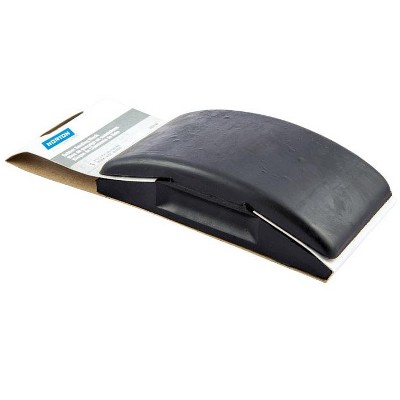
Many sanding sponges have an integrated foam block or built-in sanding block shape that fits comfortably in the hand, giving better control and comfort during sanding.