Target New ArrivalsChristmasGift IdeasHoliday Kids CatalogHome & DecorToys & GamesElectronics & TechVideo GamesGift CardsClothing, Shoes & AccessoriesGroceryBabyBeautyTarget Beauty StudioPersonal CareHousehold EssentialsHealthWellnessBooks, Music & MoviesSports & OutdoorsPetsSchool & Office SuppliesParty SuppliesAutomotiveTarget OpticalClearanceNew ArrivalsChristmasGift IdeasTop DealsTarget Circle DealsWeekly AdShop Order PickupShop Same Day DeliveryRegistryRedCardTarget CircleFind Stores

educational video games

1,000+ results for “educational video games”
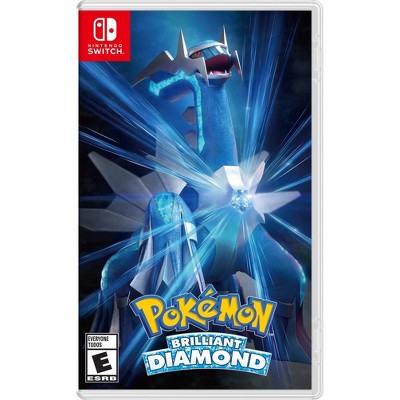
Pokemon: Brilliant Diamond - Nintendo Switch

$59.99
4.7(290)
Loved for: nostalgic gameplay

Mega Man X: Legacy Collection 2 - Nintendo Switch (Digital)

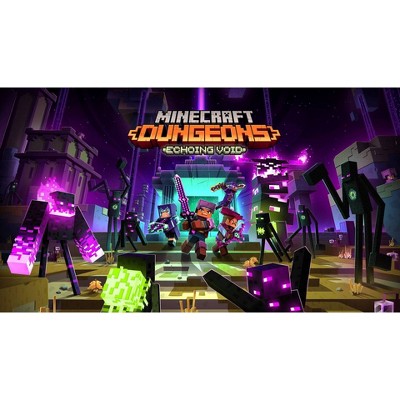
Minecraft Dungeons: Echoing Void - Nintendo Switch (Digital)

Sponsored

Jeopardy! - Nintendo Switch (Digital)

$19.99

Electronic Software Download
Drawful 2 - Nintendo Switch (Digital)

$9.99

Electronic Software Download

The Jackbox Party Pack 6 - Nintendo Switch (Digital)

Art of Rally - Nintendo Switch (Digital)

$24.99

Electronic Software Download

Brothers: A Tale of Two Sons - Nintendo Switch (Digital)

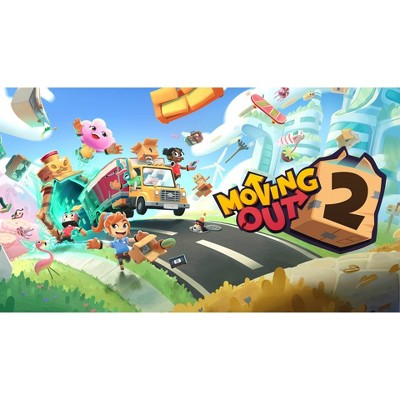
Moving Out 2 - Nintendo Switch (Digital)

$29.99

Electronic Software Download

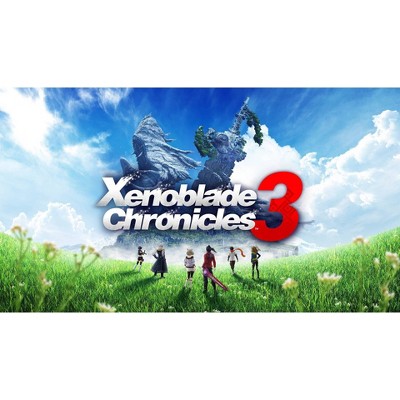
Xenoblade Chronicles 3 - Nintendo Switch (Digital)

Bomber Crew: American Edition - Nintendo Switch (Digital)

Sponsored

Powered by AI

Guests also ask:

Educational games commonly train core academic skills (math and reading) and cognitive abilities such as memory, concentration, pattern recognition, creative thinking, and 3D visualization.

They appear as physical and digital releases, dedicated handheld/portable electronic units, and occasional console-compatible titles. Some are standalone handheld games while others are downloadable or disc-based.

Power needs vary: some games require no batteries, while many handheld electronic titles use AA or AAA cells (typically two or three). Listings may note batteries required or not included, so check each product's specifications.

Common features include daily training or practice modes, multiple mini-games or skill activities, progressive/multi-level difficulty, and tracking or score-compare tools so players can monitor improvement over time.

Handheld math games typically cover core operations and topics such as addition, subtraction, multiplication, division, fractions, decimals, and percentages, often with timed tests and adjustable difficulty levels.

Many games use short, timed activities such as daily mini-games, timed skill tests, and quick multi-activity challenges to encourage repeated practice and to measure improvement over time.

Skip to next section

Sponsored

Get top deals, latest trends, and more.