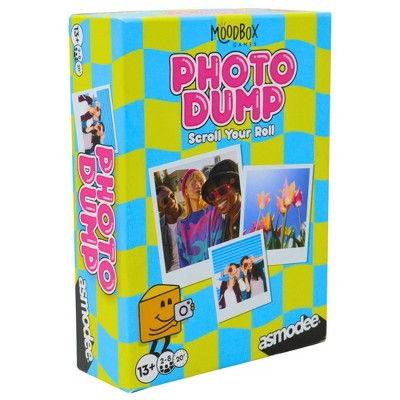
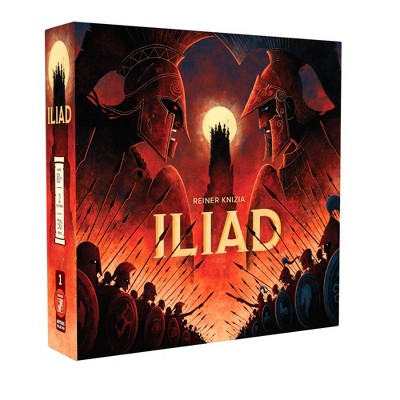
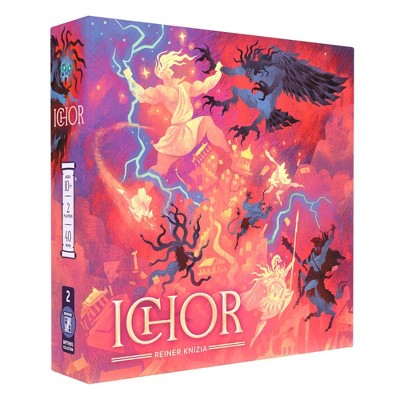
Common types include social party-style voting games that prompt group votes and discussion, and historical strategy simulations focused on campaigning and electoral mechanics.
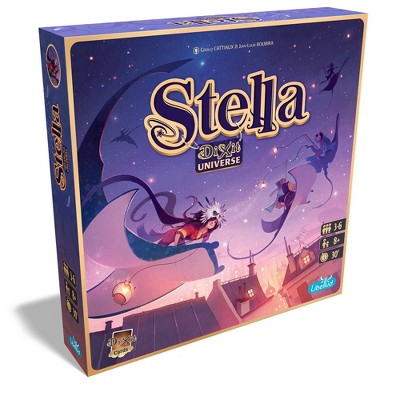
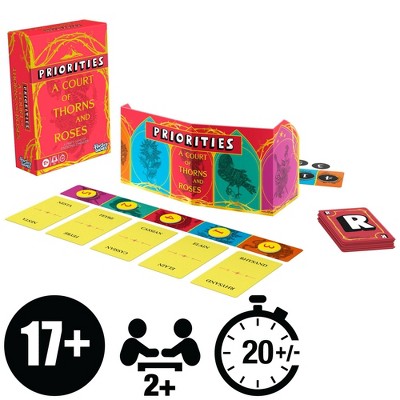
Player counts vary: many social voting games support about 4–10 players, creative or party titles support 3–8 players, and some historical election games are designed for two players.
Playtime varies widely: quick party rounds often run about 20–40 minutes, longer party sessions can be roughly 30–90 minutes, and some strategy-focused election games run two hours or more.
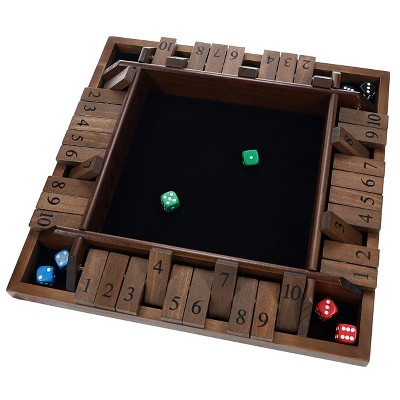
Common components are cards (question, voting, or event cards); many titles also include boards, tokens, voting dials, and scoring or storage trays.
Descriptions and reviews often describe social voting titles as fun and engaging, but note that the experience depends heavily on the player group. Replayability and session length vary by title, and reviewers give mixed feedback depending on game type and group dynamics.
These games encourage direct social interaction such as anonymous voting and vote-guessing, negotiation and back-room alliances for campaigning, and secret-choice voting tied to storytelling and scoring.