Beginner LEGO robotics resources teach a mix of mechanical, computational and hands‑on skills. Books typically introduce hardware and software concepts and simple programming, while kits and playsets also build fine motor skills, creative problem solving and basic sensory/gross‑motor development.
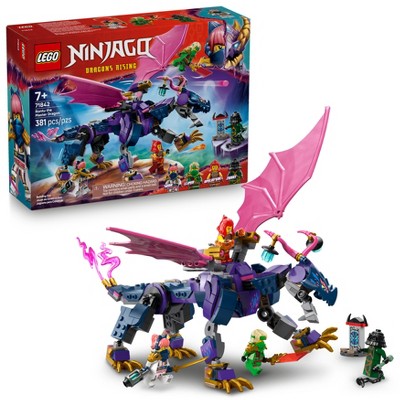
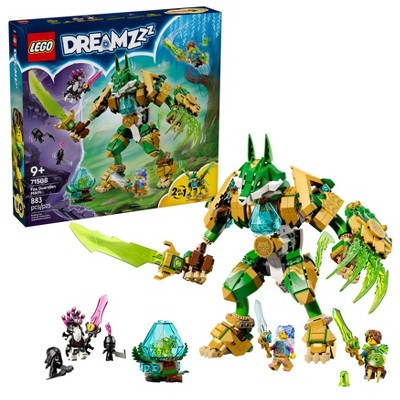
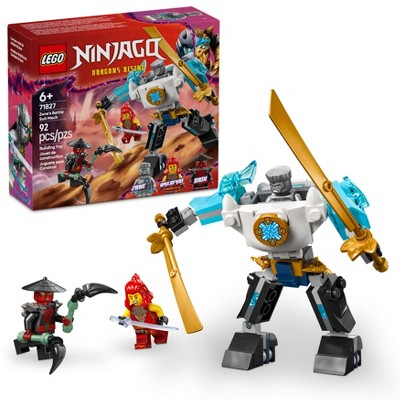
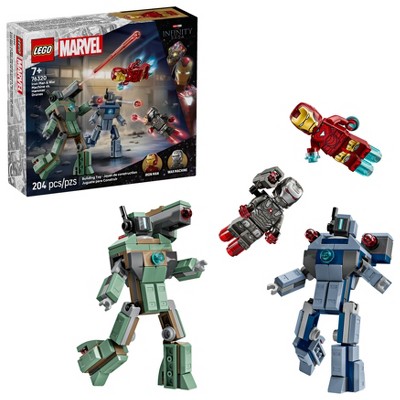
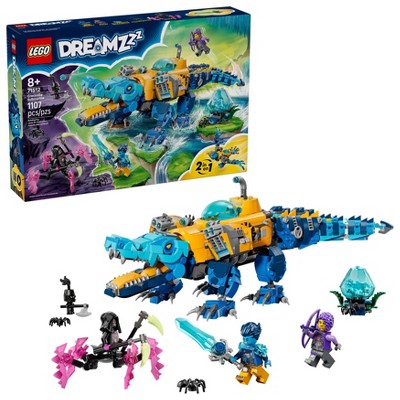
Beginner resources cover a broad range of models, including wheeled and rolling vehicles, two‑ or four‑legged walking robots, space‑themed robots, and mech/vehicle builds with movable parts and play features.
Formats vary: idea books often provide photos, parts lists and minimal text to inspire recreations without full step‑by‑step layouts, while instructional books break projects into clear building steps and guided phases for design, testing and documentation.
Coverage varies: some instructional books guide about a dozen models, idea books can present dozens up to around 95 builds, and starter kits often offer multi‑model formats (for example 3‑model sets or kits with roughly 20 build options).
It varies: many build‑focused guides present motorized projects that require no programming, educational kits typically use simple icon‑based or block programming, and idea books often include example programs or screenshots to illustrate basic code.
One commonly described approach uses five phases—design, construction, programming, testing, and documenting/sharing—sometimes labeled '5PER' in resource notes. This sequence guides projects in classroom and at‑home settings.
They rely on mechanical and powered components—motors, remote controls, battery boxes and light bricks—to add movement and illumination so models can move or light up without requiring programming.