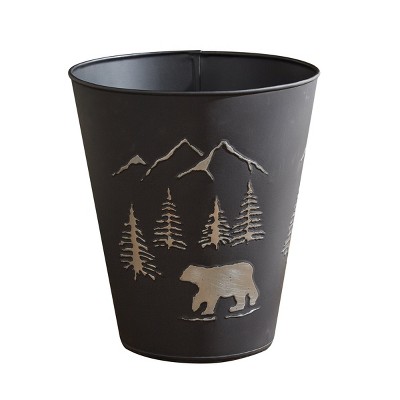
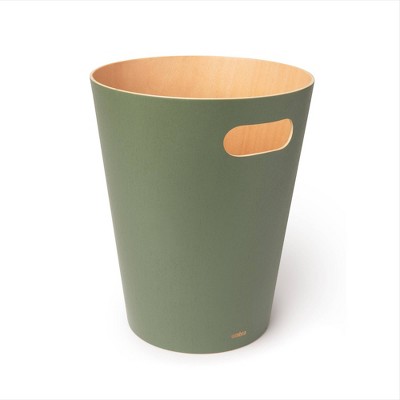
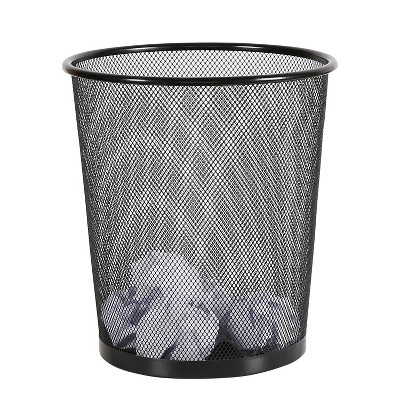
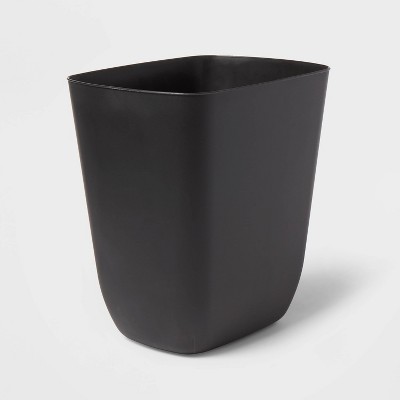
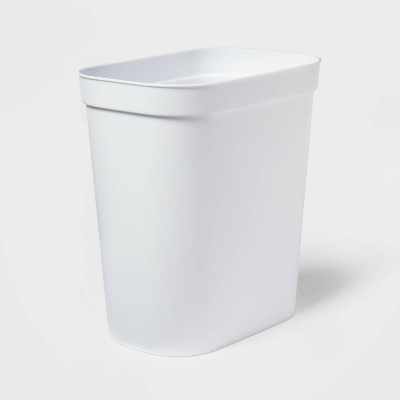
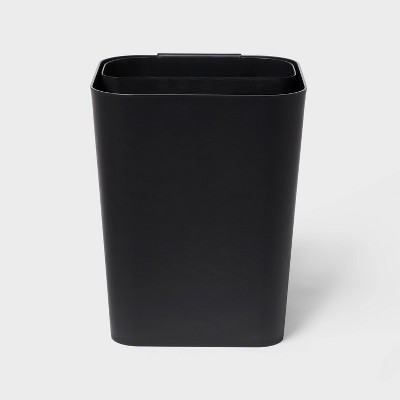
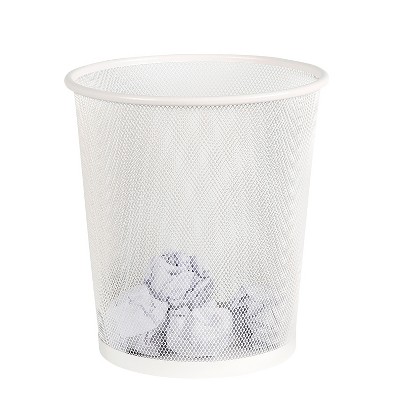
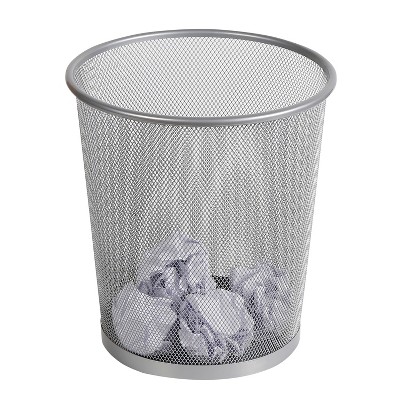
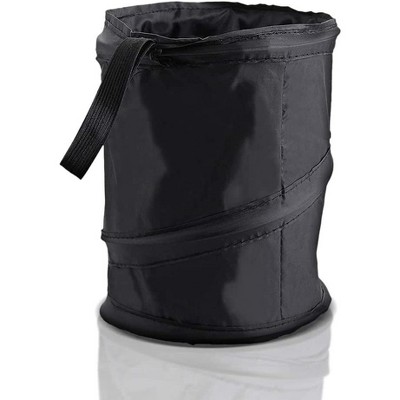
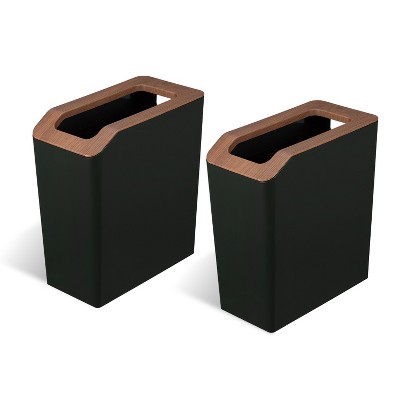
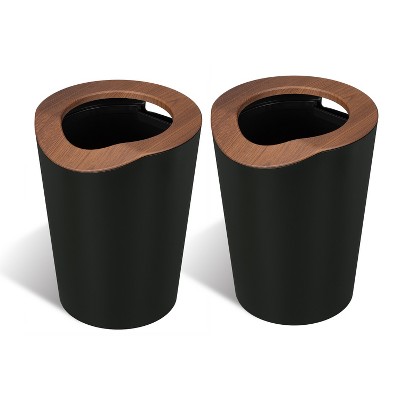
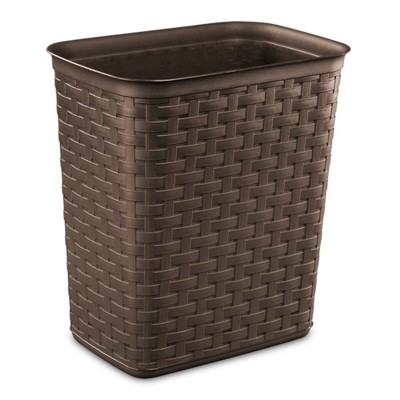
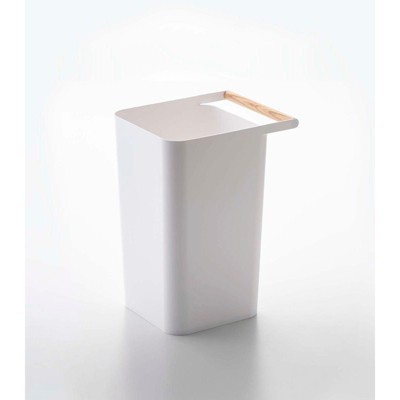
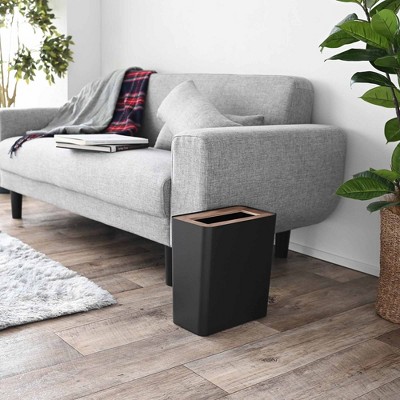
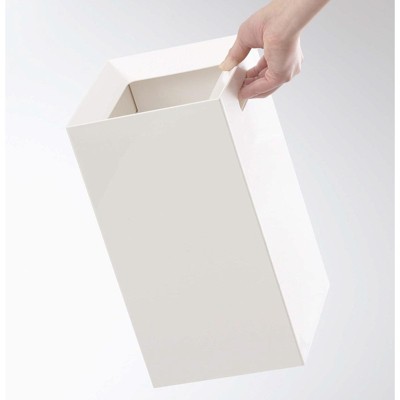
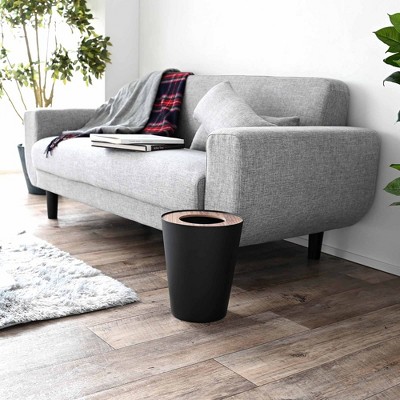
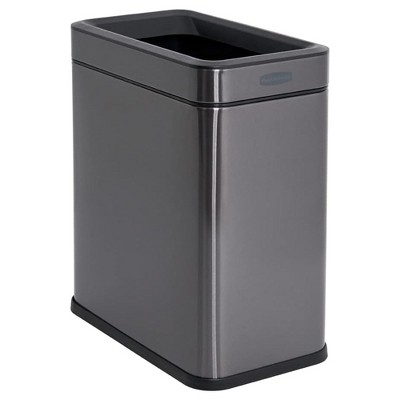
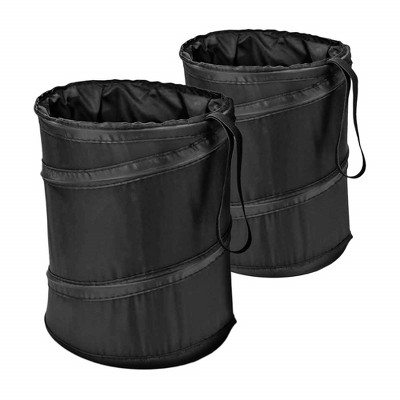
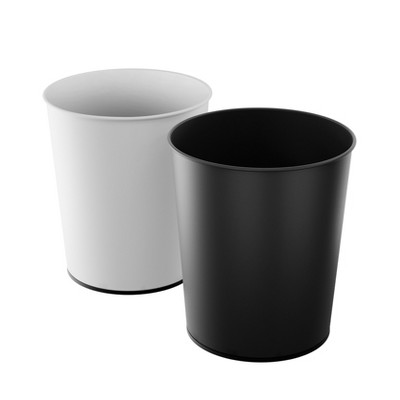
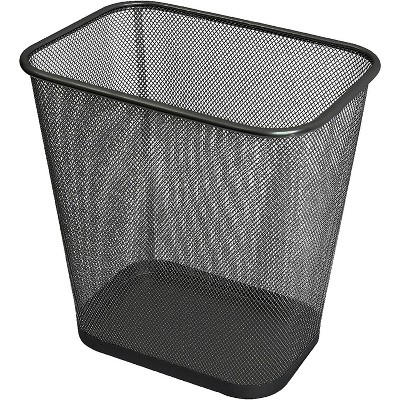
Common materials include plastics such as polypropylene (PP) and ABS, general molded plastics, and heavier options that pair galvanized steel with PP or ABS components.
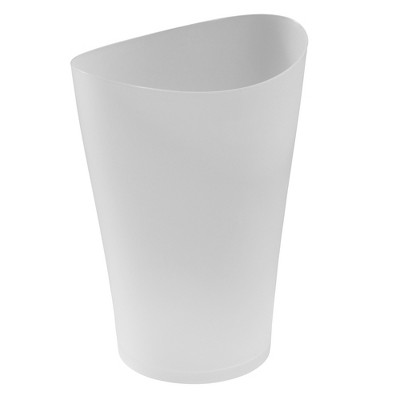
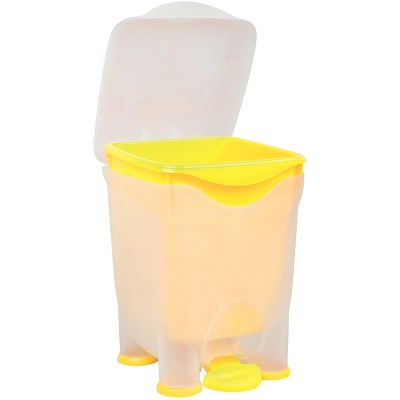
Typical opening styles include open-top wastebaskets, flip or push-to-open lids (including stainless-steel odor-locking lids), step-on pedal lids (often with locking features), and motion-activated touchless lids with sensors.
Non-electronic cans require no power. Motion-sensor (hands-free) models are typically battery-powered using replaceable batteries — listings commonly show 4 AA alkaline batteries as the required type, often optional or not included.
Small vanity cans and open-top wastebaskets use compact or small bags. Step-on/compact pedal cans commonly fit most 8-gallon bags, while larger touchless or kitchen-style gray cans accept standard 13–15 gallon tall kitchen bags.
Most listings recommend simple surface care: spot clean or wipe with a damp cloth. Bodies that are waterproof can be sprayed or rinsed as needed, and many product descriptions note that plastic or PP surfaces wipe clean easily; follow any sensor-model instructions before rinsing electronics.
Common child- and pet-proof features include locking lids and step-on pedals with locks to prevent accidental opening. Some product listings and reviews note that these designs effectively keep kids and pets from accessing the trash.
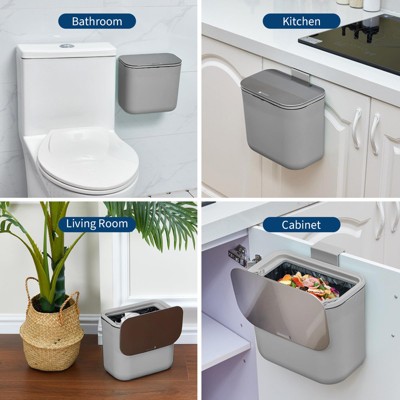
Compact and under-sink options usually have small capacities (about 1.85–3 gallons), feature open or flip-top openings for easy disposal, are made from stain-resistant plastic or PP, and have space-saving mounting options or slim silhouettes.