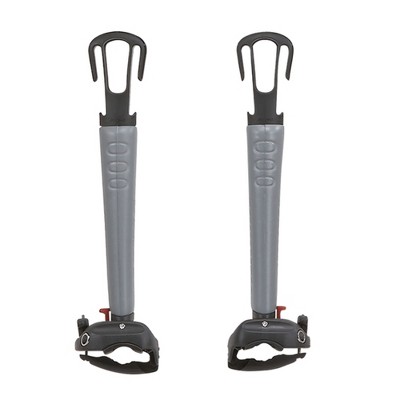
Rooftop carriers commonly include built-in load assists such as pivoting rollers and hand-roll guides that help you slide a kayak up and over the roof. Some J-bar–style mounts also offer angle adjustment and folding features to reduce lifting height and make loading easier.
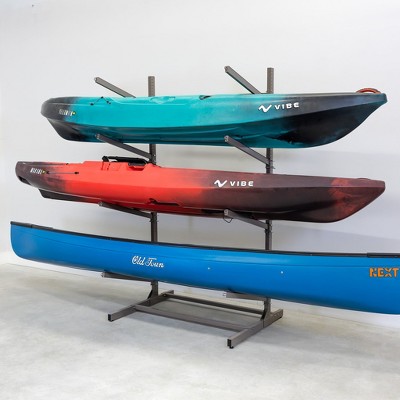
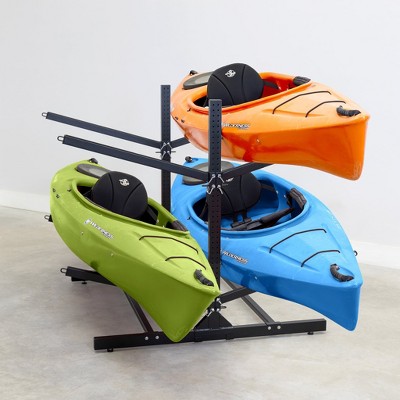
Adjustability features reported include width adjustments in multi-inch increments, adjustable tier heights on freestanding racks, configurable arm spacing to match different hull shapes, and fold-down or angle-adjustable mounts so racks can accommodate various kayak sizes and multiple boats.
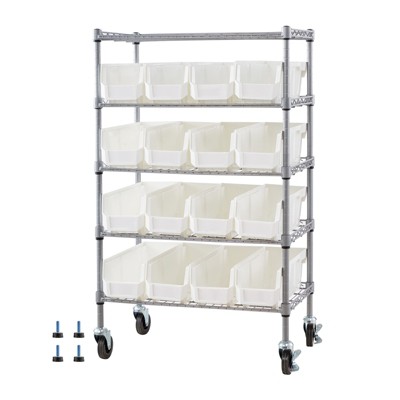
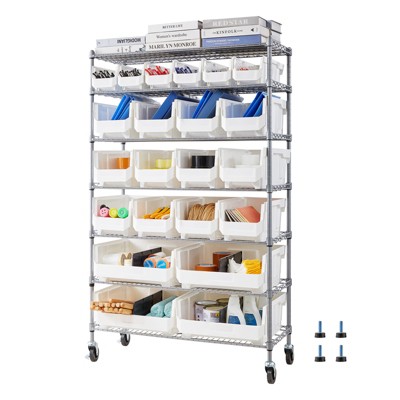
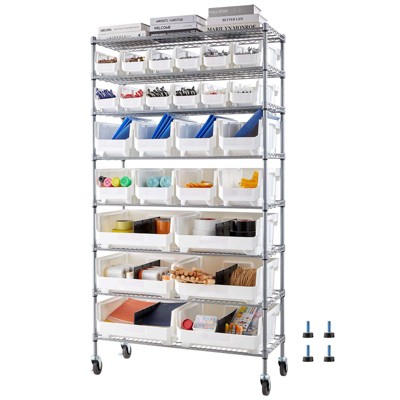
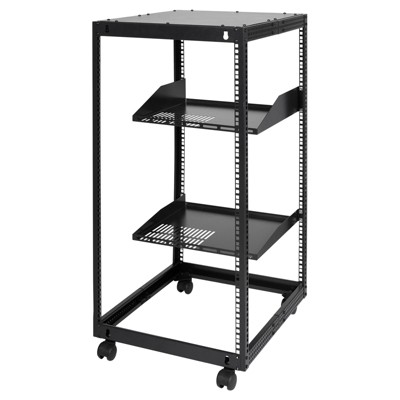
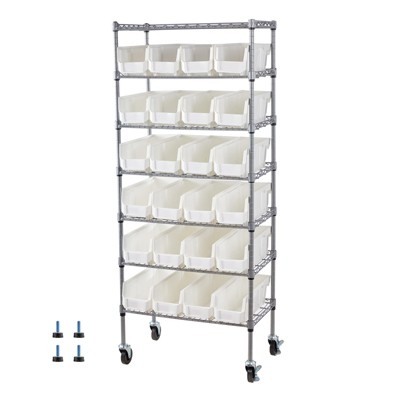
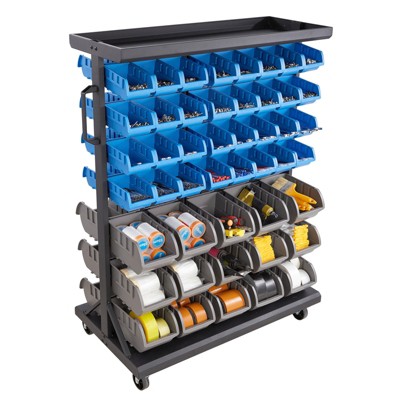
Many freestanding racks are designed for mobility: they include wheels or lockable casters so the entire rack can be moved even when loaded. Some listings specify four lockable wheels or dual-locking casters to combine easy movement with stability.
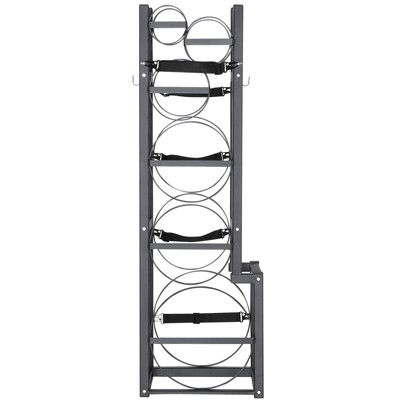
Listings mention integrated straps on some freestanding racks, included tie-down straps or bow-and-stern tie-downs with rooftop carriers, and extra accessory tie points or locking rings for adding cable locks, bungees, or additional straps.
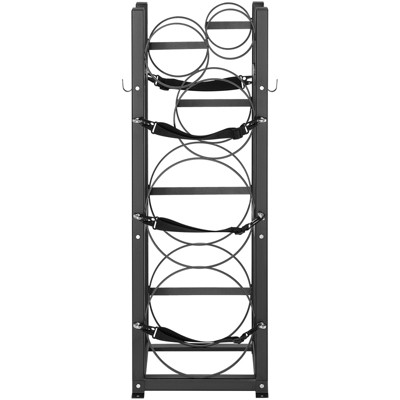
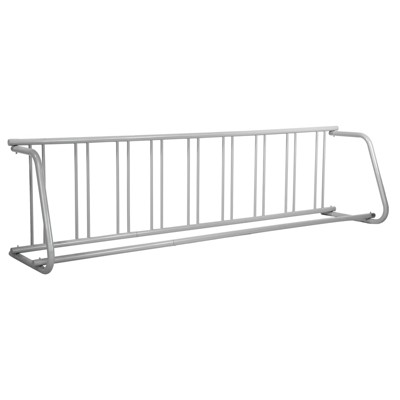
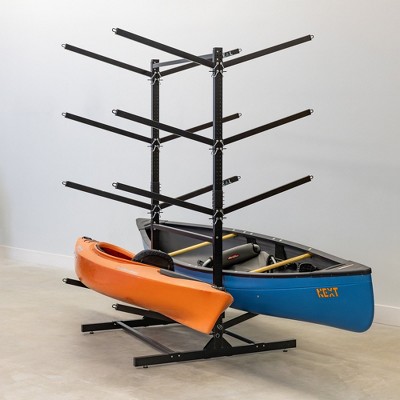
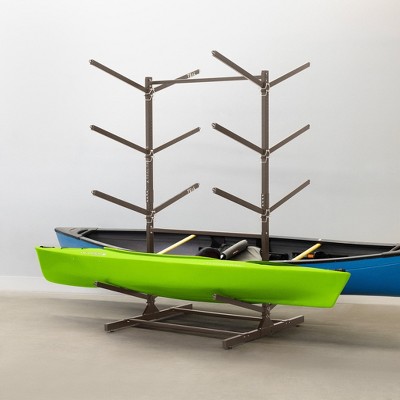
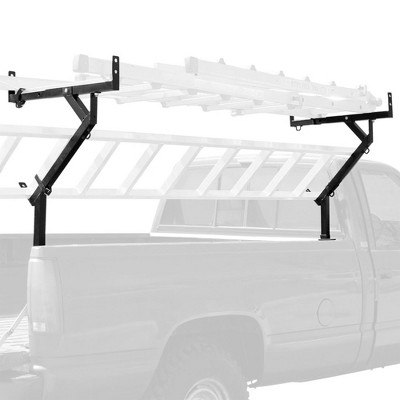
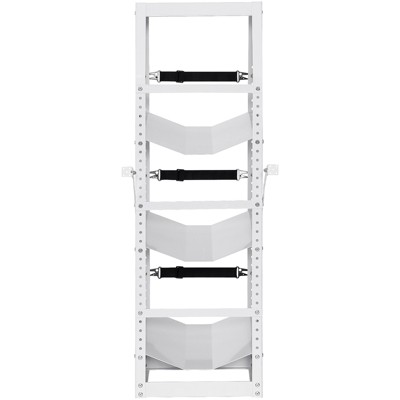
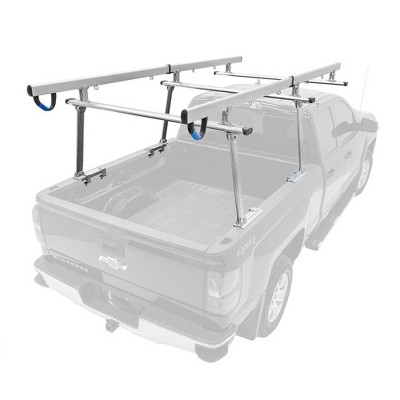
The results show several common types: freestanding storage racks for garages or yards, rooftop-mounted carriers (including J-bar and roller-style load assists), pickup/truck-cap cargo racks, and rooftop stacker-style carriers for storing multiple kayaks.
Common materials include aluminum and various steel or metal constructions. Some listings call out industrial‑grade alloys or high‑strength aluminum for rooftop and pickup/cap racks.
Many listings describe padded support arms, foam padding (including thick EVA or soft padded covers), and specialized hull padding to protect kayak hulls from scratches and pressure marks during storage and transport.