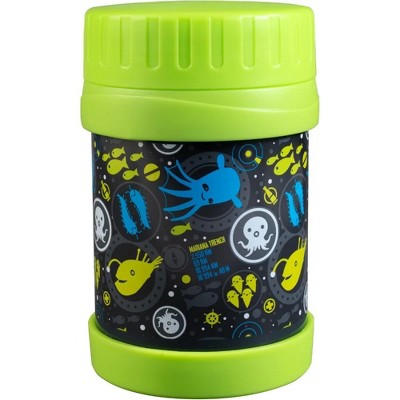
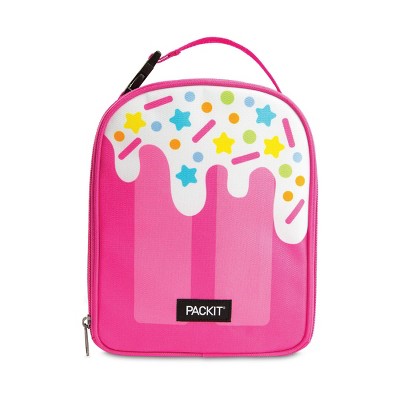
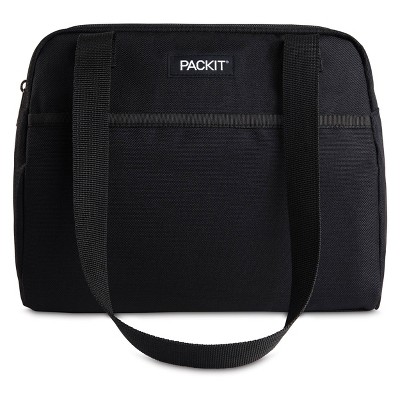
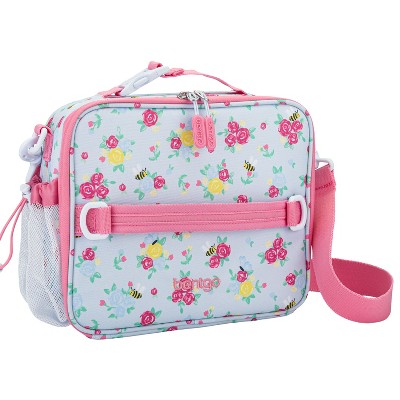
Capacities vary by style. Bento-style boxes commonly list total or per-compartment volumes in cups (examples range from about 3.33 cups up to 5.1 cups), while some insulated totes use liters (example: 4.5 L). Check product listings for whether the volume refers to a single compartment or the full container.
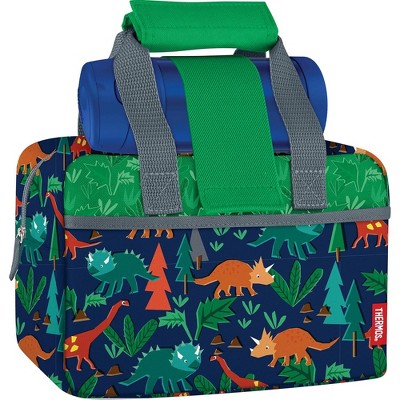
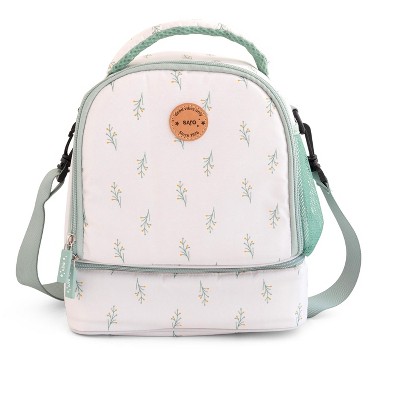
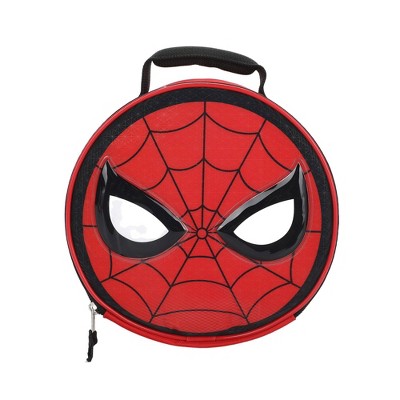
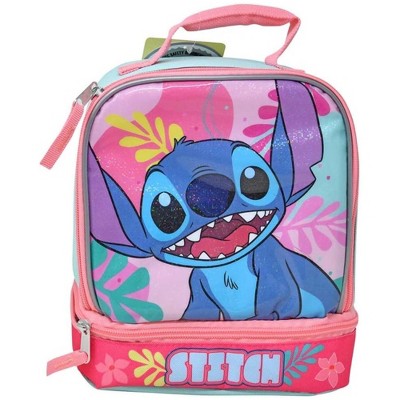
Common materials include rigid plastics (examples noted: ABS and polypropylene) used for hard lunch boxes and trays, generic 'plastic' components, and fabric materials such as polyester for insulated bags and outer shells.
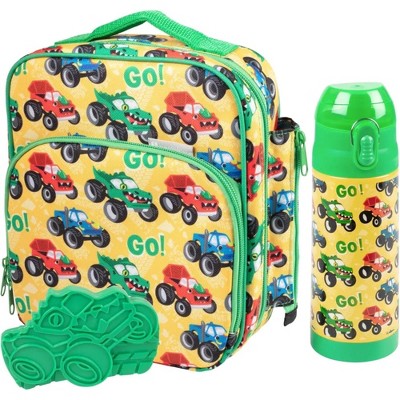
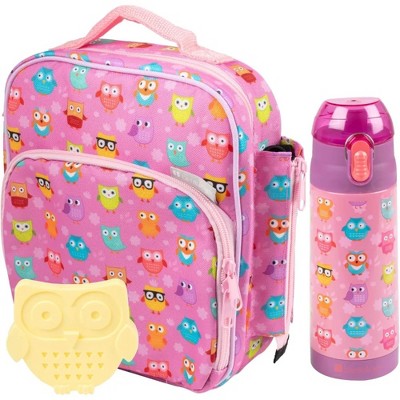
Common inclusions are divided or removable trays, freezer/ice packs, utensils (forks/spoons), and in some sets, extra storage containers.
Many bento-style boxes advertise leakproof seals and airtight lids. Some models also include built-in or removable insulated ice packs to help keep food chilled. Product descriptions typically state whether seals are marketed as leakproof.
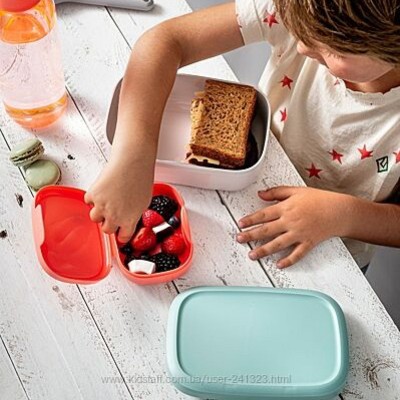
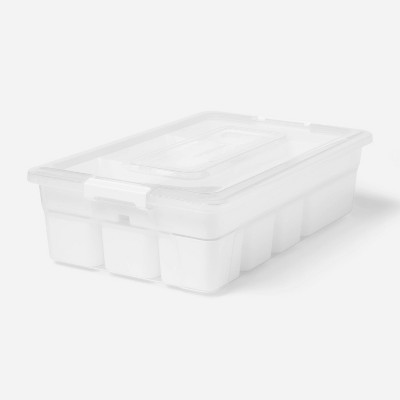
Bento-style kids' lunch boxes commonly feature 3-, 4- or 5-compartment trays. Some models offer removable trays or optional dividers so you can change the layout; example tray volumes listed in product details include values around 2.4 cups and 3.33 cups.
Listings span toddler to teen: examples include labels like "1 Year and Up," "3–7 Years," and "8 Years and Up." Some insulated bags are marketed as "All Ages." Check the product description for the manufacturer's recommended age.
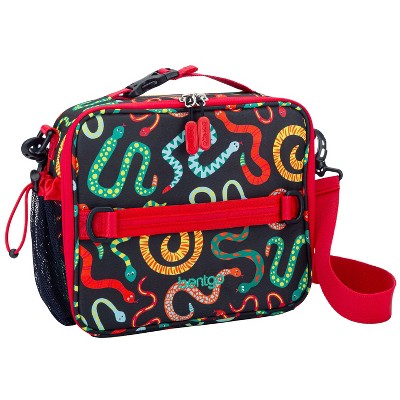
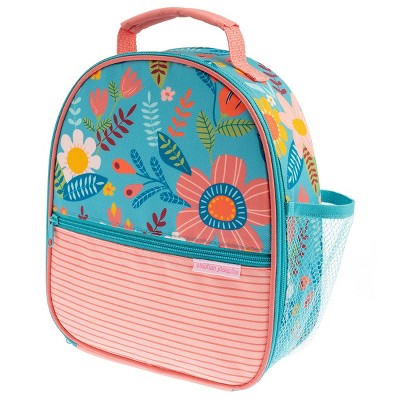
Many models are lightweight and designed to fit in backpacks, with handles or straps for easy carrying. Product descriptions often highlight durable, drop-resistant construction and reinforced hardware intended for everyday school use.