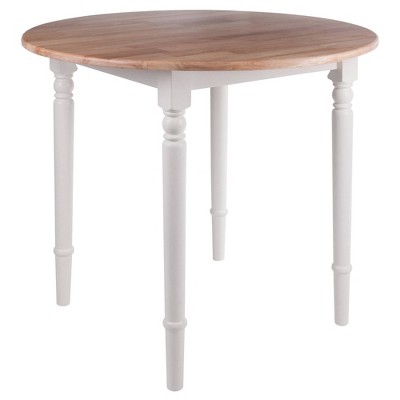
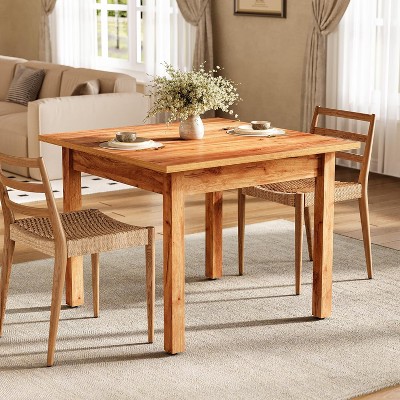
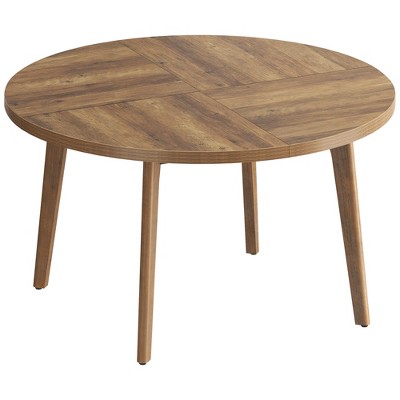
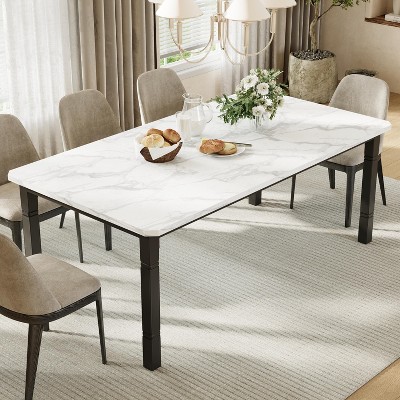
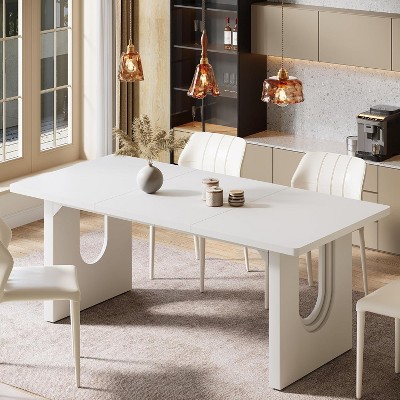
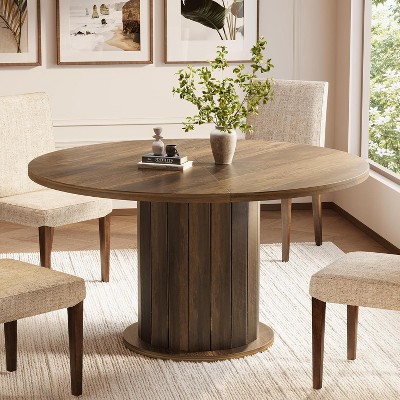
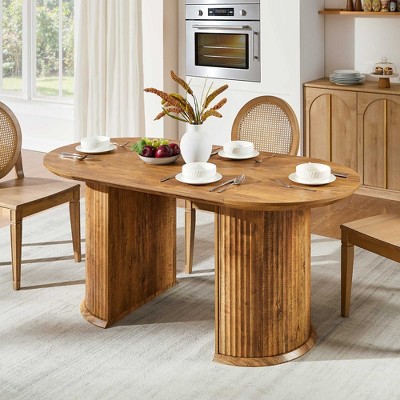
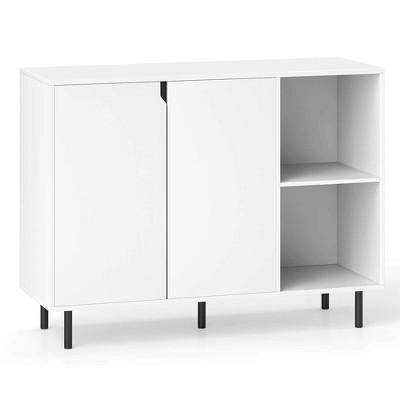
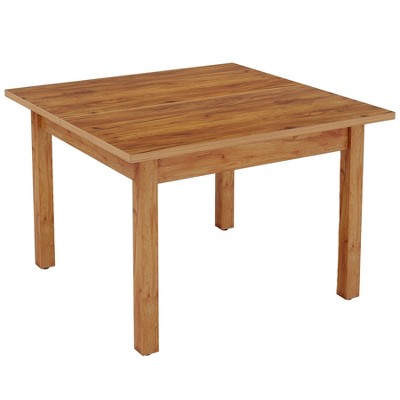
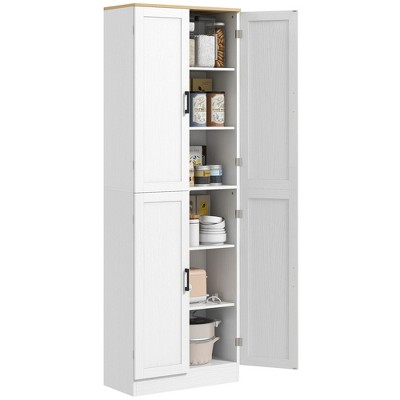
Common extension mechanisms include: self-storing butterfly leaves (fold and tuck inside the table), removable leaves (take out or add panels by hand), telescoping/telescopic slides (sliding sections that extend smoothly on rails), and drop-leaf or folding designs (hinged sections that fold down for space saving).
Seating capacity varies by model and how far the table is extended. Listings range from as few as 2 seats up to 10 seats. Common advertised ranges include 2–6, 4–8, and 6–10, depending on the table’s extended length and the size/style of chairs used.
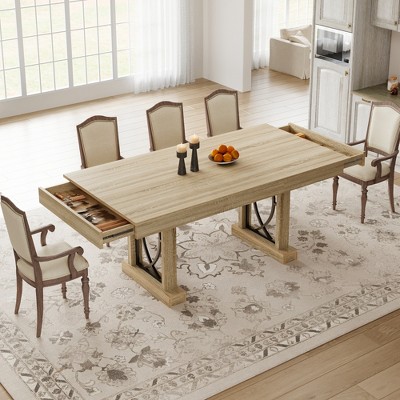
Some extension tables include built-in storage, though not all models do. Typical storage options shown in listings are cabinets, drawers, open shelves, spice racks, and wine racks—combining dining surface and organization in one unit.
Mobility varies by model. Common options include removable caster wheels and swivel casters, often with at least some lockable wheels for stability. Typical configurations shown in listings are 4 wheels (commonly 2 lockable) and multi‑caster setups such as six 360° swivel casters (with four lockable); some mobile island units list several removable wheels.
Most listings indicate adult assembly is required. Some products include an assembly kit or basic tools, while others do not—expect to need common hand tools in some cases. Many descriptions note that clear instructions are provided to simplify setup.