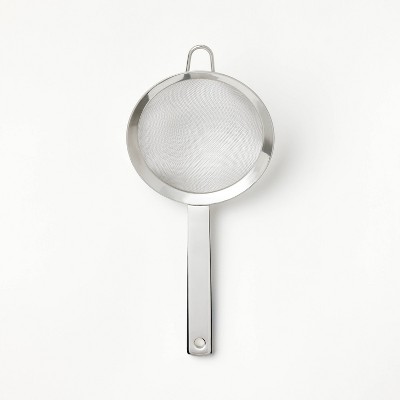
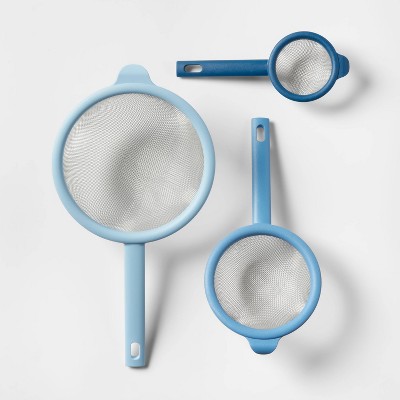
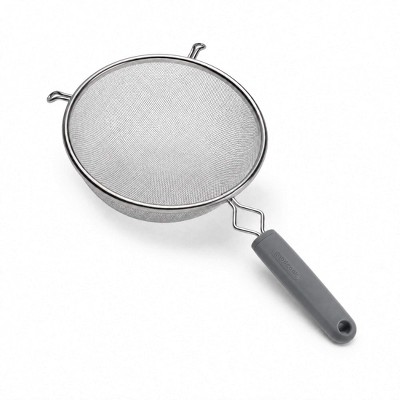
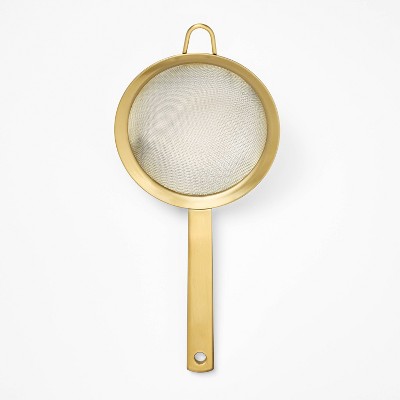
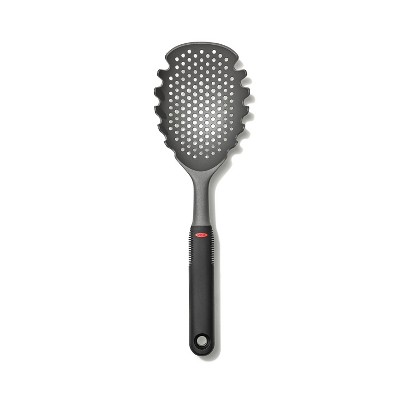
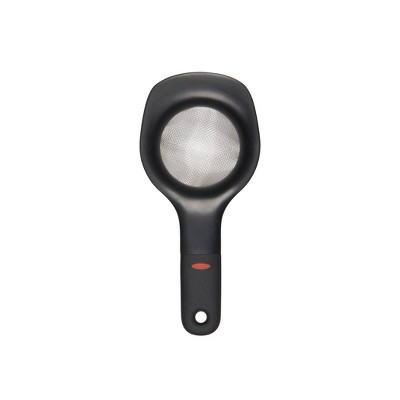
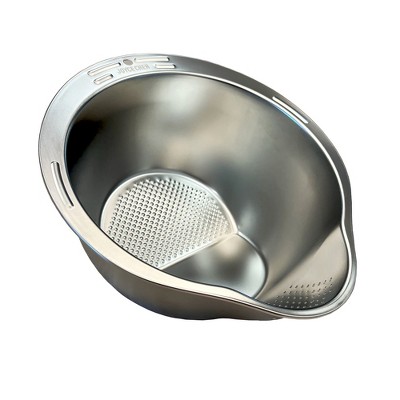
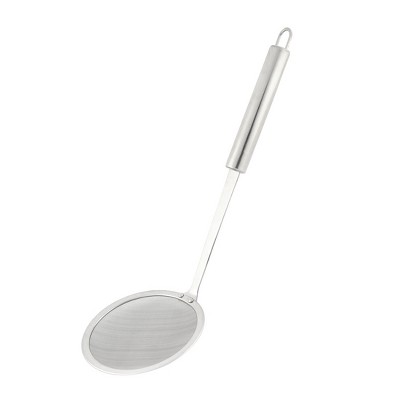
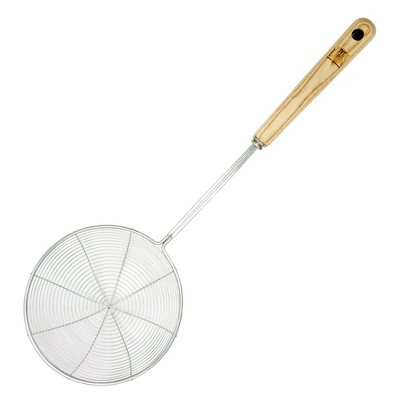
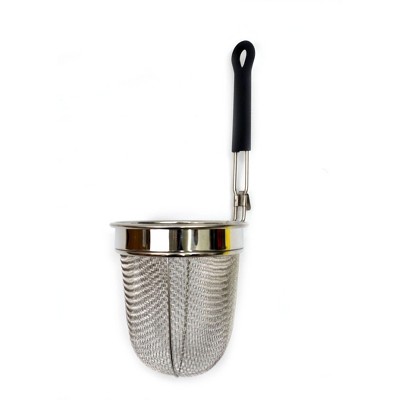
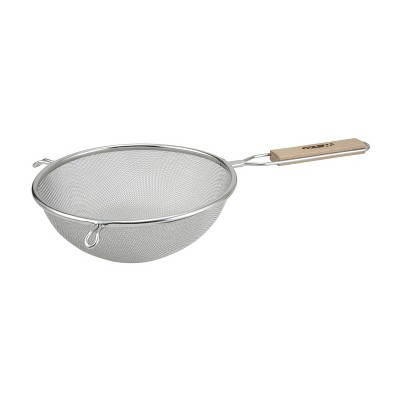
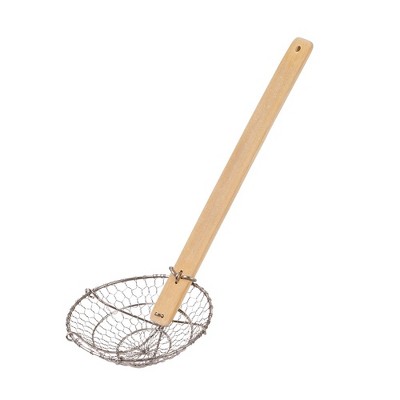
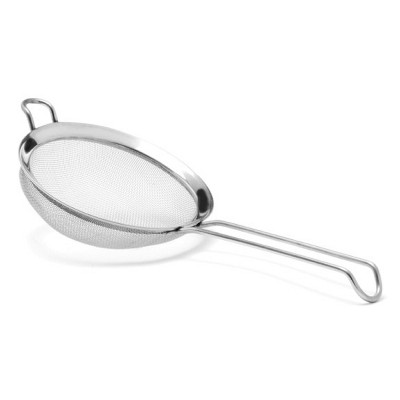
Common materials for kitchen sieves include plastic, stainless steel, and silicone.
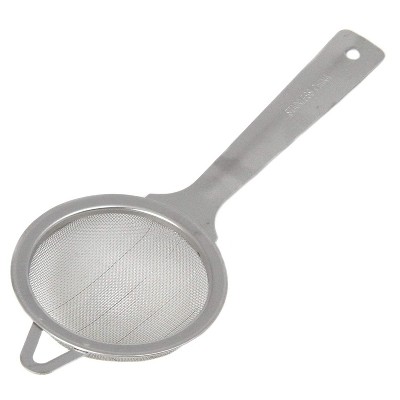
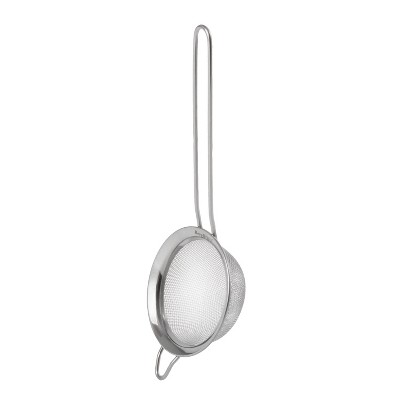
Fine mesh sieves are effective for small grains and fine powders—commonly used for items like quinoa, rice, and flour.
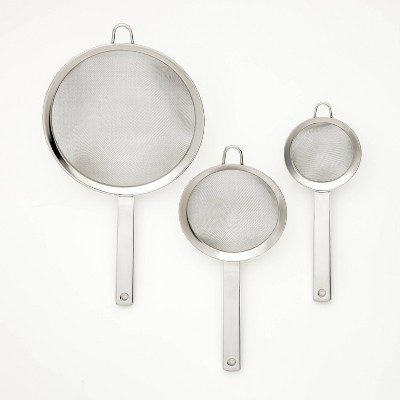
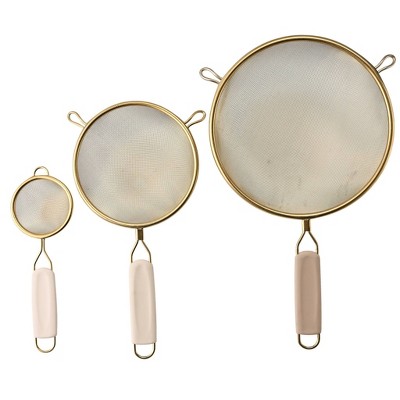
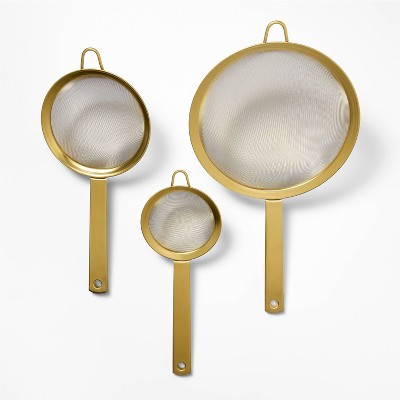
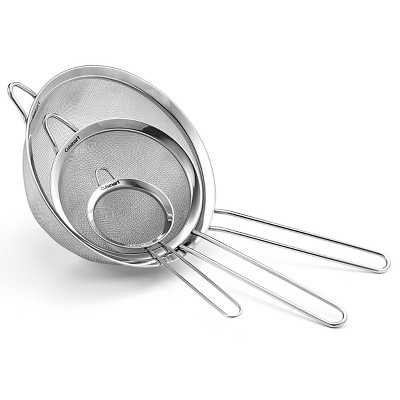
Kitchen sieves are sold as single pieces and multi-piece sets; common examples include 1-piece, 3-piece, and 4-piece options.
Sink strainers can trap food scraps, act as stoppers to fill the sink, flip or invert for easy emptying, and use raised or anti-clog designs to help keep water flowing.
Common head diameters range from about 3 1/8" up to 7 7/8", with other sizes noted around 5.51" and 7.6".
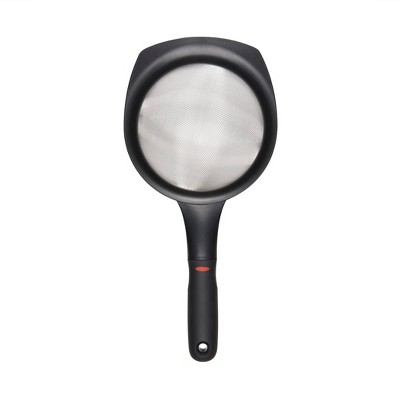
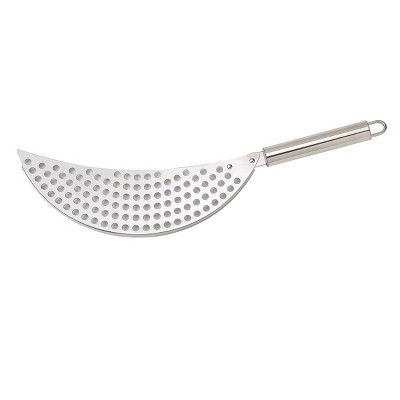
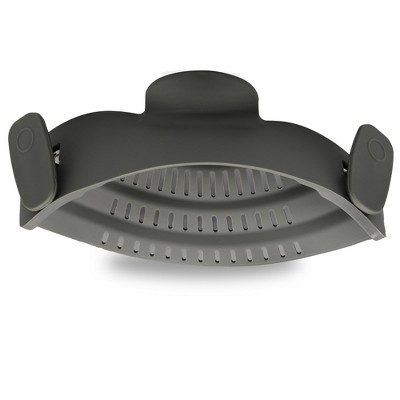
Some sieves offer nesting/stacking designs and standing bases, clip-on fits for pots and pans, raised/anti-clog sink baskets, fine-mesh screens with non-slip grips, and sink strainers that double as stoppers or invert for easy emptying.
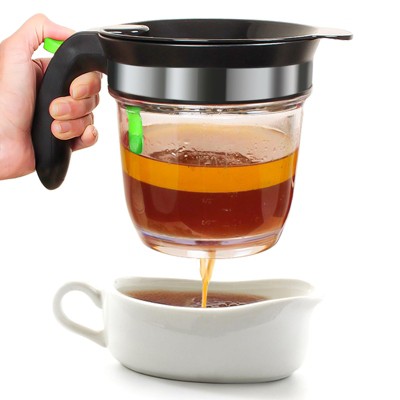
Sieves are typically used for rinsing fruits and vegetables, draining pasta, straining sauces and stocks, sifting flour or powdered sugar, and soaking or rinsing grains and legumes.