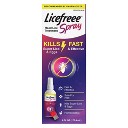
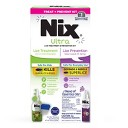
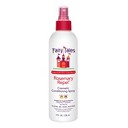
Common lice treatments include manual removal with fine-tooth lice combs; topical shampoos and rinses; one-step spray treatments; leave-in or daily-defense sprays; multi-item removal kits that combine a hair treatment and a comb; and home/furniture sprays for bedding and upholstery.
Age indications vary by product. In the provided details some items are labeled for infants as young as 6 months, others for “1 year and up,” and some for ages 6 years and up. Always check the specific product label for the exact age recommendation.
Kits typically combine a hair treatment (shampoo or spray) with a fine-tooth lice-removal comb. Some kits also include a separate home/furniture spray for treating bedding, upholstery, or other household items.
Most labels instruct applying generously to towel-dried or dry hair, saturating the scalp and hair, and allowing the product to air dry without rinsing. Some directions specify a spray distance (for example, about 4–6 inches). After treatment, a fine-tooth comb is often used to remove dead lice and nits.
Many product descriptions claim to kill lice and eggs (nits) and some explicitly reference effectiveness against pesticide-resistant “superlice.” However, reviewer summaries for some items note that nits are not always eliminated by a single application, and follow-up treatment or combing is sometimes reported as necessary.
Product details mention mineral sodium chloride and a variety of essential oils or fragrances, including peppermint (peppermint oil), rosemary, citronella, lemongrass, and lavender.
Reviewer summaries vary: some report a pleasant scent and non-greasy texture, while others describe oily or runny formulations that leave a greasy film. Some reviewers also report skin irritation or a rash around the hairline for certain products.