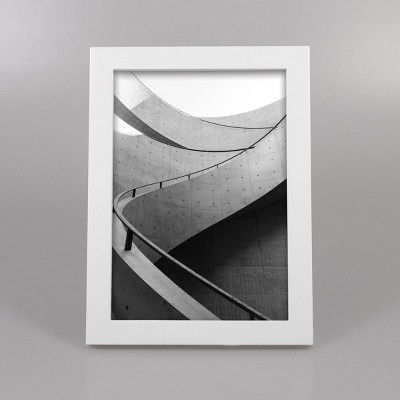
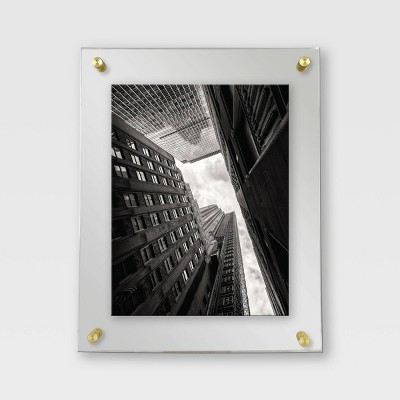
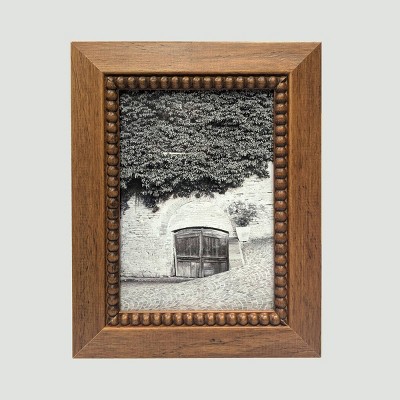
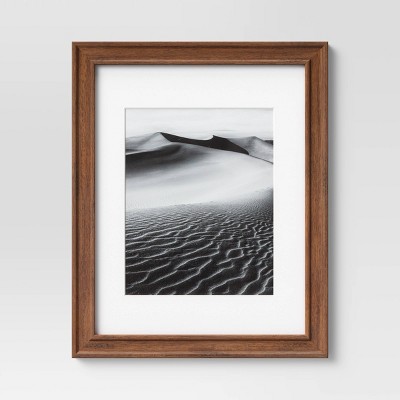
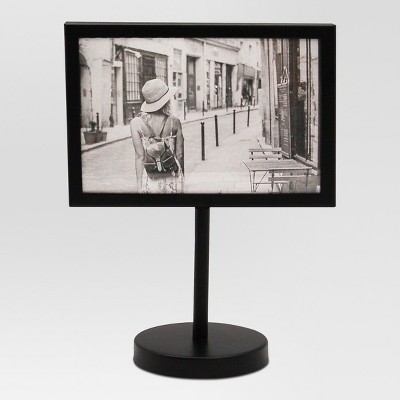
Magnetic frames are commonly made from acrylic or wood for the frame body, with clear acrylic or glass used for the window. Magnetic display boards and writing surfaces often use metal or magnetic porcelain steel.
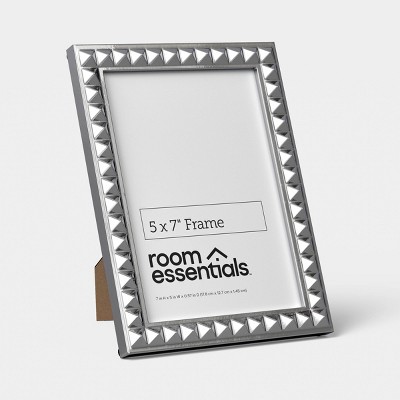
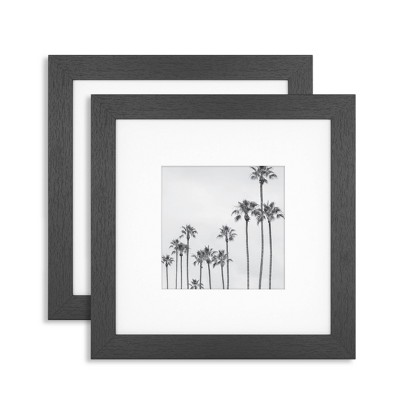
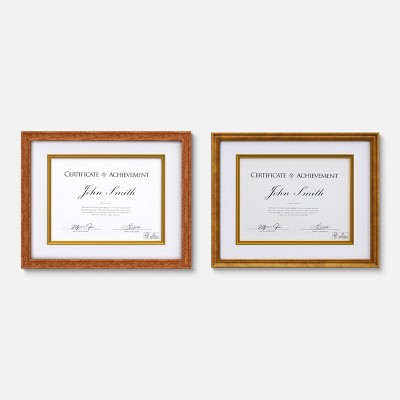
Magnetic frames cover a wide range of sizes, from small photobooth strips (e.g., 2" x 6") and wallet/3.5" x 5" prints up through common photo and document sizes such as 4" x 6", 5" x 7", 8.5" x 11", 11" x 14", and larger frames up to about 16" x 20".
Double-sided block magnetic frames are extra thick, typically made from two 11.5 mm acrylic panes that form a solid 23 mm block (about 0.9 inches).
Avoid glass cleaner on acrylic; instead clean with water and a soft cloth, or wipe gently with a damp cloth or paper towel.
Double-sided block frames are freestanding and often used to display two photos back-to-back; they're also used as wedding centerpieces, retail or hotel counter displays, and to showcase keepsakes at events.
Yes—most magnetic frames support both horizontal (landscape) and vertical (portrait) orientations.
Photos are held in place by strong magnets—typically at the corners—that clamp the image between two acrylic panes or between a pane and a wood base.
By clamping the photo between clear acrylic panes, magnetic frames make the image appear suspended with minimal visible edges—the transparent center and two-pane magnetic construction produce a floating, frameless effect.
Magnetic frames can show more than photos—common items include pressed flowers, poems, ticket stubs, and other keepsakes. Magnetic boards can also hold papers using magnetic clips.