marinade packets
305 results for “marinade packets”
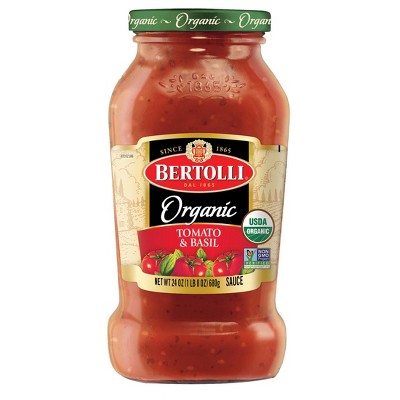
$3.79($0.16/ounce)
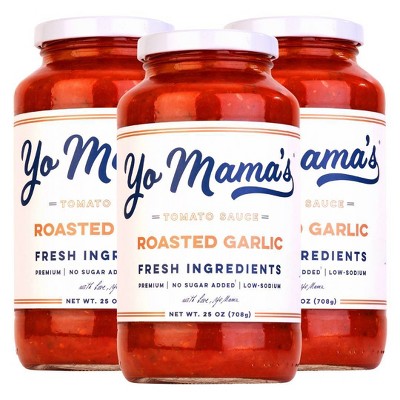
$23.99($0.96/ounce)
SNAP EBT eligible
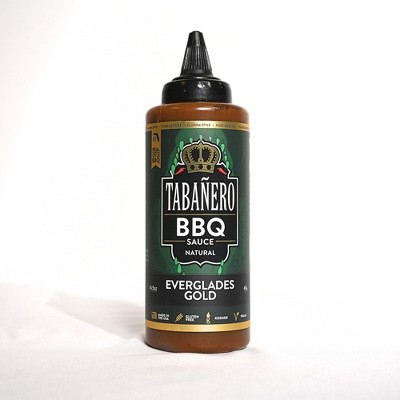
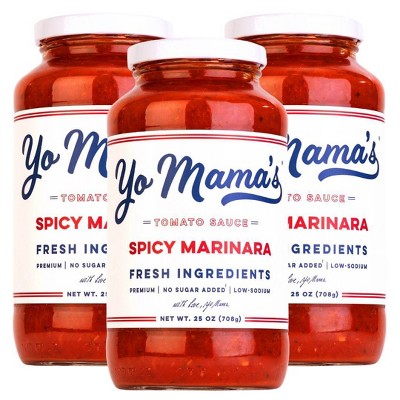
$23.99($0.32/ounce)
Loved for: delicious flavor
SNAP EBT eligible
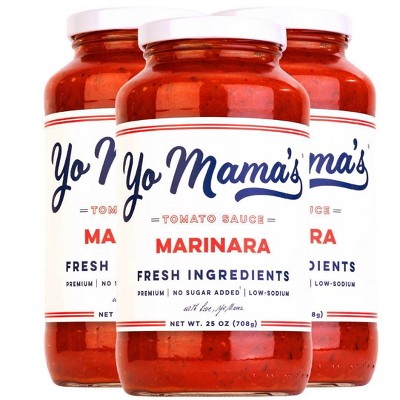
$23.99($0.96/ounce)
Loved for: great flavor
SNAP EBT eligible
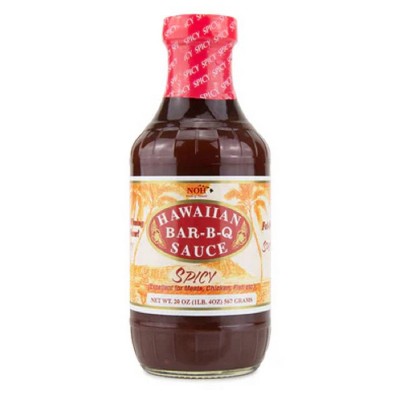
$10.49($0.52/fluid ounce)
was $12.59
New lower price
SNAP EBT eligible
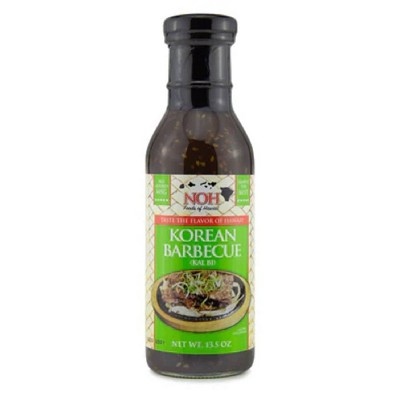
$8.99($0.67/fluid ounce)
SNAP EBT eligible
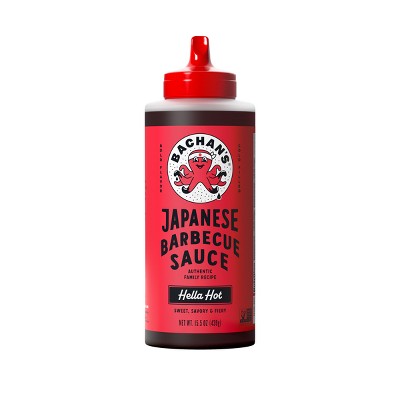
$8.49($0.55/ounce)
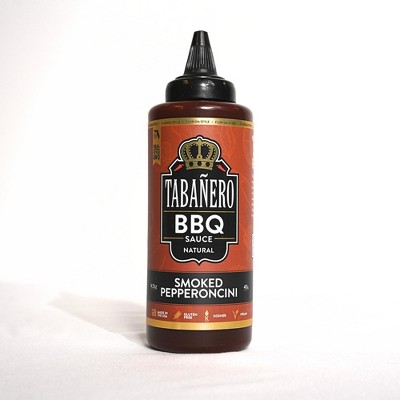
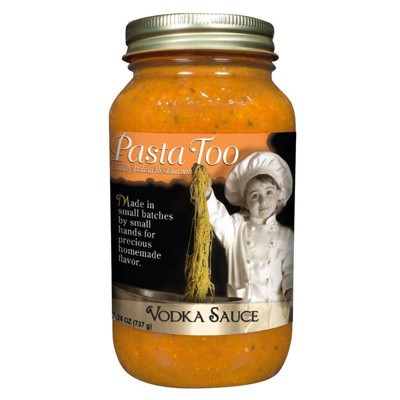
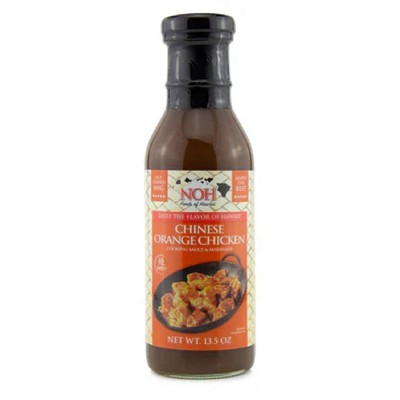
$8.99($0.67/fluid ounce)
SNAP EBT eligible
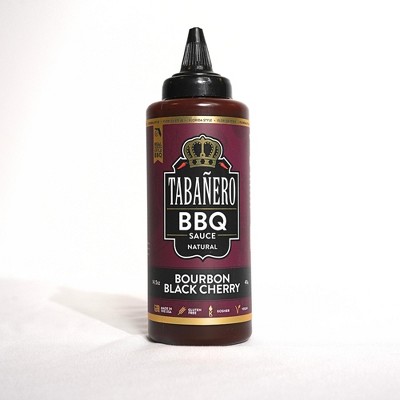
Sponsored
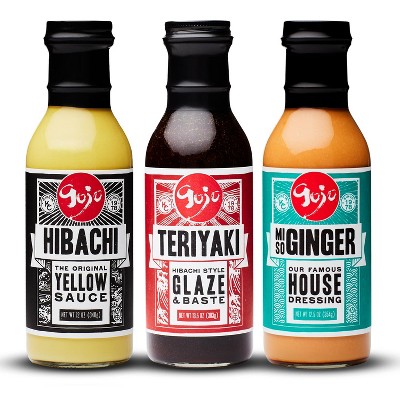
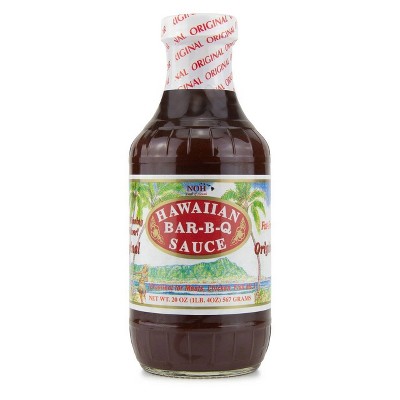
$10.49($0.52/fluid ounce)
SNAP EBT eligible
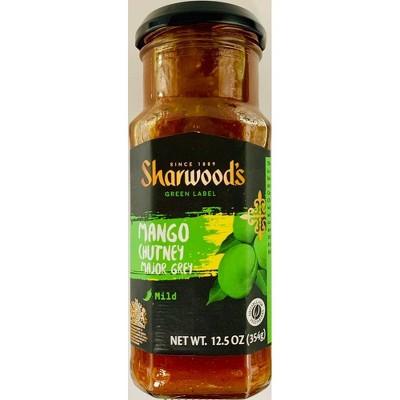
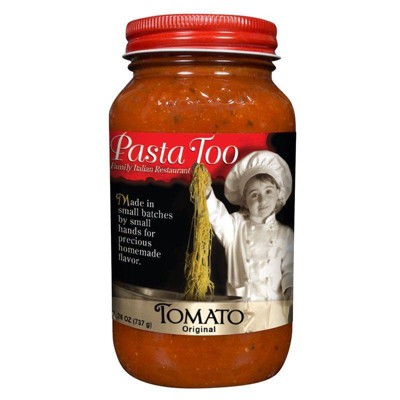
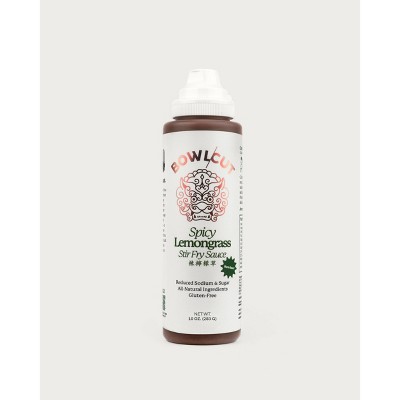
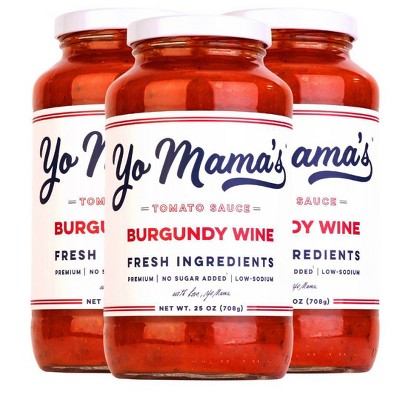
$23.99($0.32/ounce)
Loved for: great flavor
SNAP EBT eligible
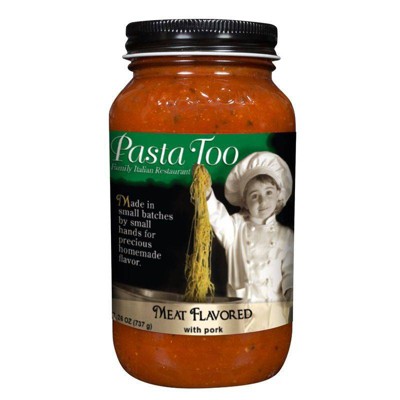
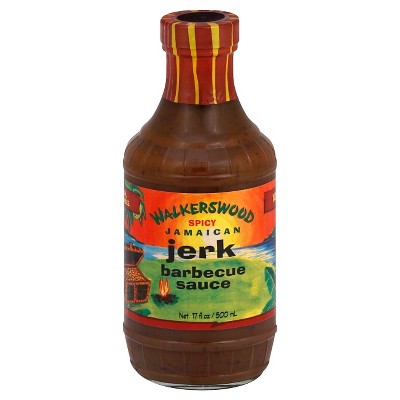
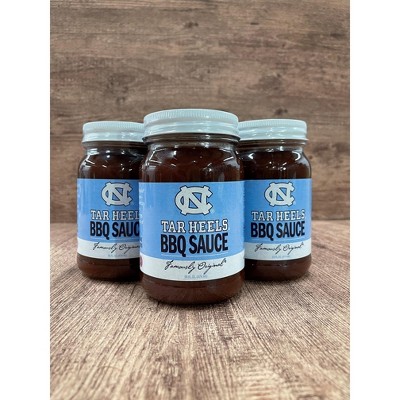
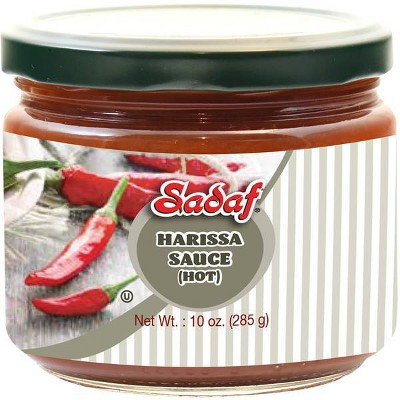
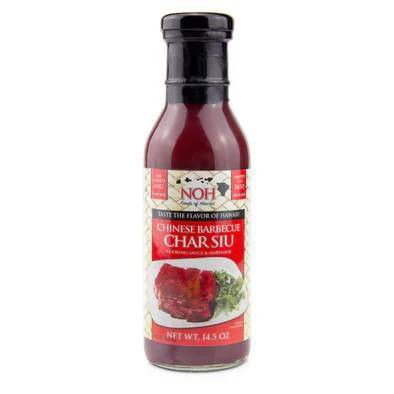
$8.99($0.62/fluid ounce)
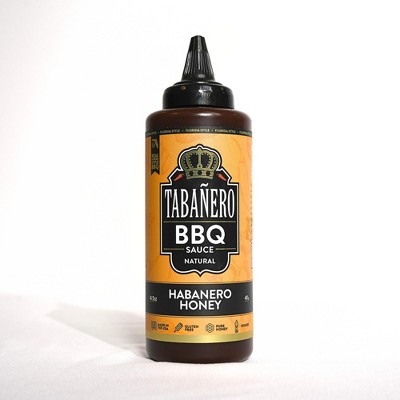
Sponsored
Powered by AI
Guests also ask:
Trending now
- $3.99($0.57/ounce)was $4.29 New lower price4.8 out of 5 stars with 79 ratings
- $3.99($0.57/ounce)was $4.29 New lower price4.9 out of 5 stars with 167 ratings
- $2.99($0.25/fluid ounce)4.4 out of 5 stars with 157 ratings
- $3.69($0.18/fluid ounce)4.8 out of 5 stars with 18 ratings
- $3.19($0.28/fluid ounce)4.1 out of 5 stars with 257 ratings
- $3.59($0.30/fluid ounce)4.5 out of 5 stars with 319 ratings