Target New ArrivalsBack to SchoolCollegeHalloweenClothing, Shoes & AccessoriesHome & DecorKitchen & DiningOutdoor Living & GardenGroceryHousehold EssentialsBabyBeautyPersonal CareSports & OutdoorsPetsHealthWellnessSchool & Office SuppliesToys & GamesElectronics & TechVideo GamesMovies, Music & BooksParty SuppliesGift IdeasGift CardsShop by CommunityTarget OpticalDealsClearanceNew ArrivalsBack to SchoolCollegeTop DealsTarget Circle DealsWeekly AdShop Order PickupShop Same Day DeliveryRegistryRedCardTarget CircleFind Stores

nursery planter

1,000+ results for “nursery planter”
Sponsored

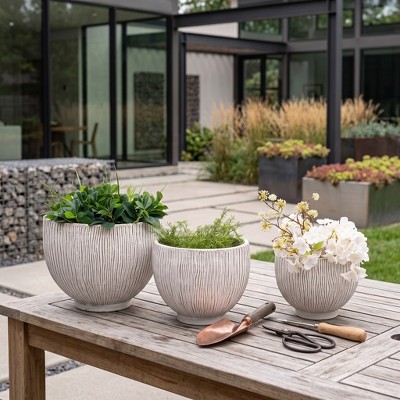
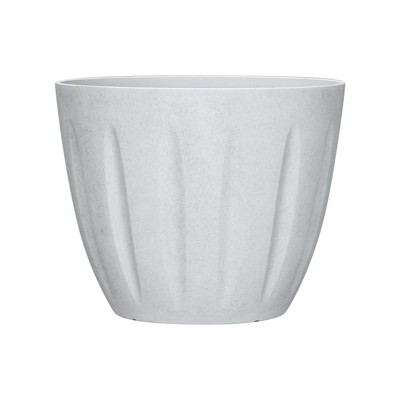
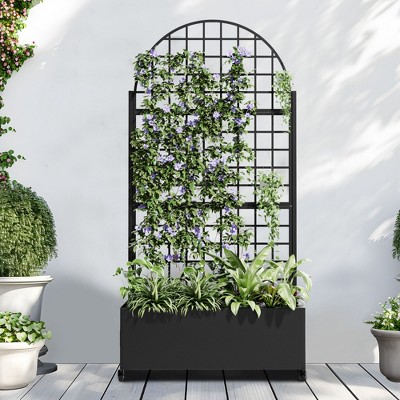
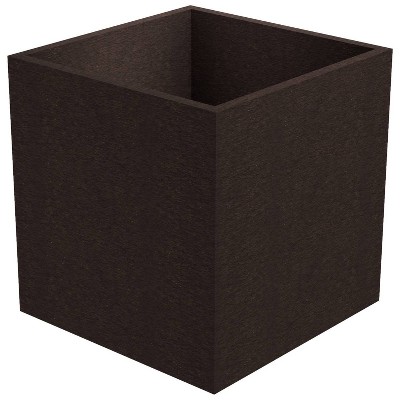
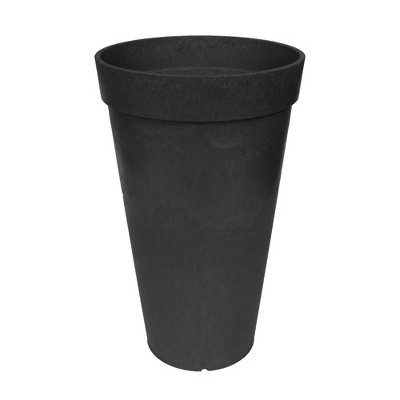
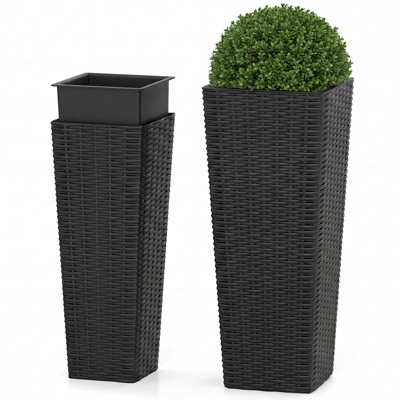
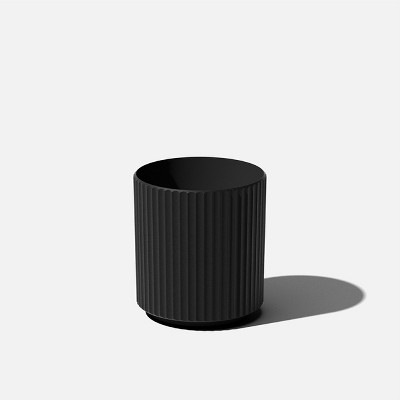
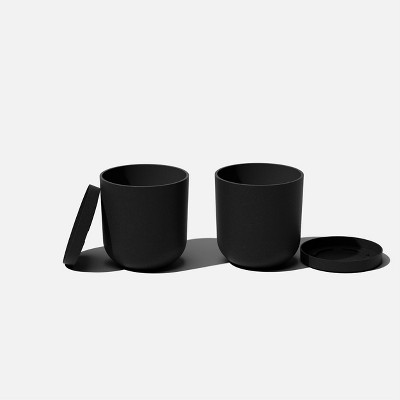
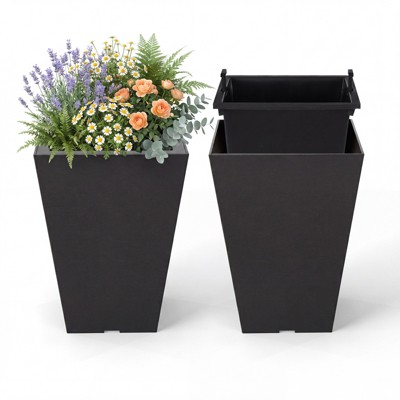
Pure Garden 22.4in Tall Planter 2-Pack

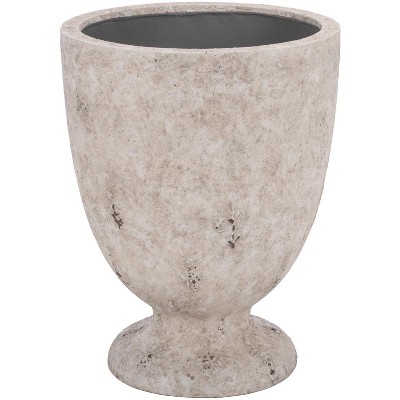
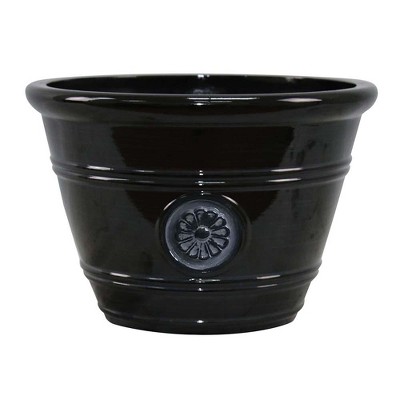
Novelty Classic Plastic Urn Planter

Sponsored

Powered by AI

Guests also ask:

Nursery planters use a few common approaches: multiple drainage holes or a single drain hole to let excess water escape; an open base that sits directly on the ground; or a bottom reservoir/self-watering chamber (often in wall planters) that supplies moisture from the base instead of using drain holes. Check the product listing to confirm which option a specific planter uses.

Planters are made for tabletop use, freestanding ground placement, and wall mounting. Many models are labeled for both indoor and outdoor use. Some wall planters include built-in nail/screw holes or hanging hardware—always check the listing to see what mounting options or hardware are provided.

Many small pots and freestanding decorative pots arrive ready to use with no assembly. Larger items—like raised beds and multi‑tier planters—often require adult assembly; some listings specify tool‑free assembly while others note that tools aren’t included though hardware may be provided. Review the product description for assembly instructions and included hardware.

Raised beds vary, but listings show a range of planting volumes and capacities—for example, one wooden bed lists about 4.2 cubic feet of planting space, while metal beds list capacities such as 51 gallons (about 8 cubic feet). Check each product’s stated cubic feet or gallon capacity to compare planting space.

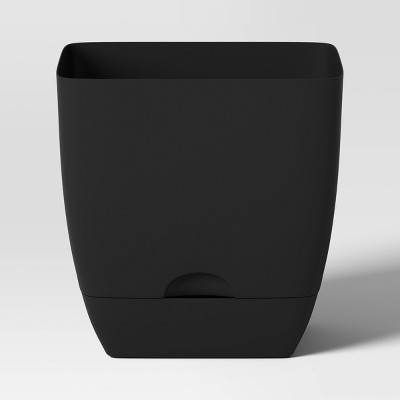
Some wall and small planters include a bottom reservoir or water chamber that supplies moisture from the base, providing a self‑watering effect instead of relying on drain holes. Look for “self‑watering” or “bottom reservoir” in the product description to confirm this feature.

Many planters are labeled for both indoor and outdoor use. Listings also often specify intended placement such as tabletop, wall mounting, or ground‑freestanding; raised beds are typically described specifically for outdoor use. Confirm the recommended placement in the product details.

Small nursery pots and planters are commonly used for vegetables, herbs, succulents, flowers, and cacti. Raised beds are typically used for seasonal crops such as lettuce, cucumbers, and strawberries—check the product size and depth to ensure it suits the plants you want to grow.

Planter finishes vary from clear/transparent styles that show roots to matte, antique, or textured handcrafted looks. Decorative patterns (for example, sun‑bleached or textured finishes) are also common—check photos and descriptions to confirm the exact finish.

Get top deals, latest trends, and more.