Organizers typically offer either no-drill adhesive mounting or traditional drill-and-screw installation. Smaller items often use adhesive/no‑drill options, while larger wall systems include mounting hardware and instructions for securing to studs or drywall.
Many organizers include features to improve stability and prevent slipping, such as damping guide rails for smooth drawer movement, triangular support structures for added strength, suction cups or non‑slip bases for placement on slick surfaces, and raised shelf edges or reinforced mesh to keep items from sliding off.
Cleaning is usually simple: most metal or iron organizers can be wiped with a damp cloth and are described as resistant to grease or spills. Some items are noted as waterproof or wear‑resistant, making maintenance easier—regular wiping and drying is typically sufficient.
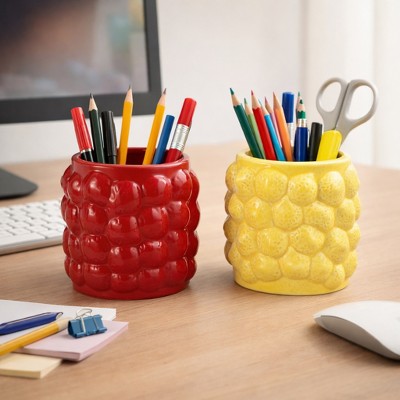
These organizers are suitable for many rooms and surfaces, including desks and desktops, kitchen counters and cabinets, bathroom cabinets, pantries, garages or workshops, and on shelves or side tables.
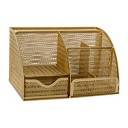
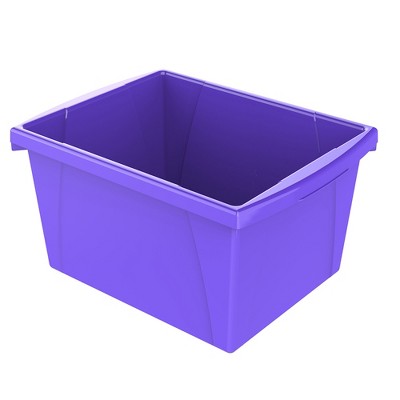
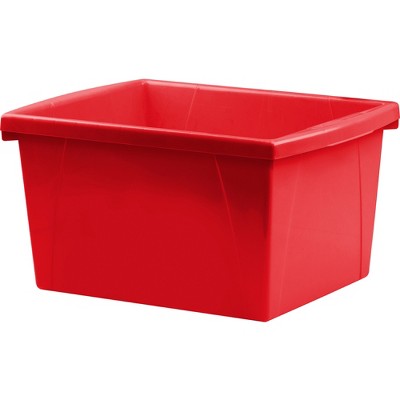
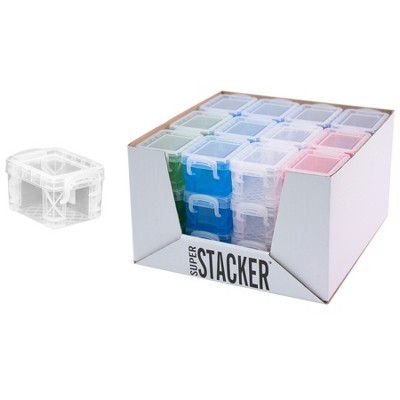
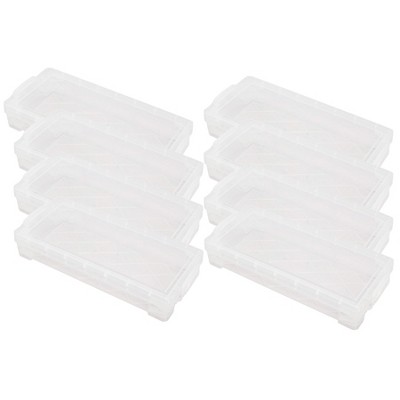
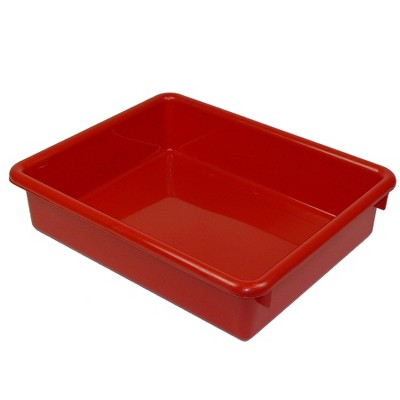
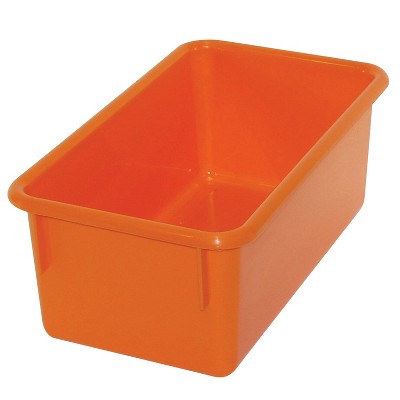
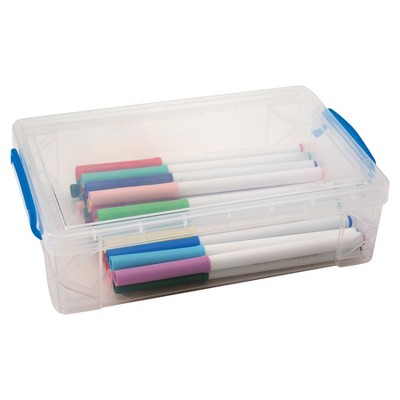
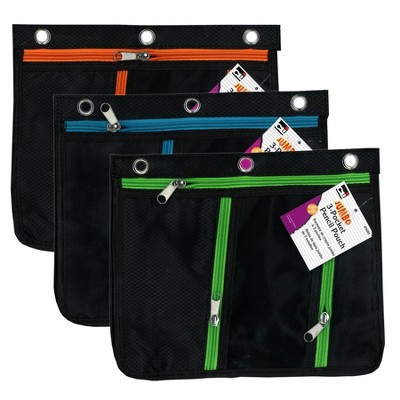
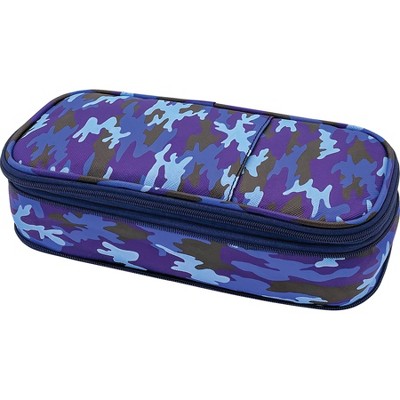
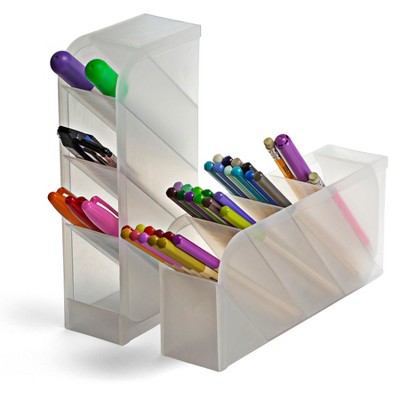
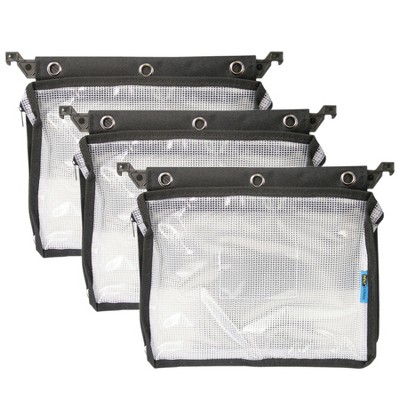
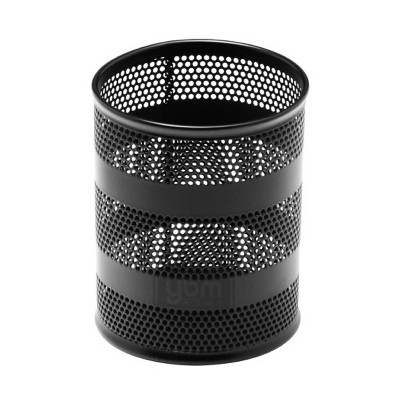
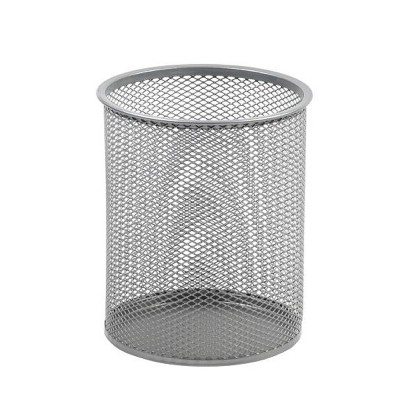
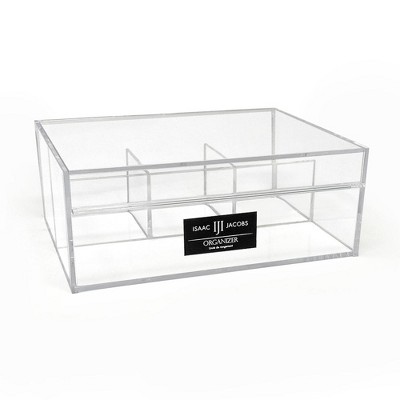
Common materials include steel and iron, clear acrylic, polypropylene and other plastics, cardboard or fabric blends (like polyester and linen), and bamboo.
Common features include adjustable or foldable shelf and tier heights, configurable multi‑layer shelving and hooks, dual installation options (adhesive strips or drilling), and riser‑style stands that raise a monitor while providing a small drawer for supplies.