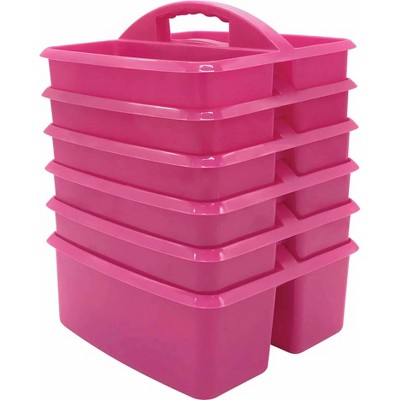
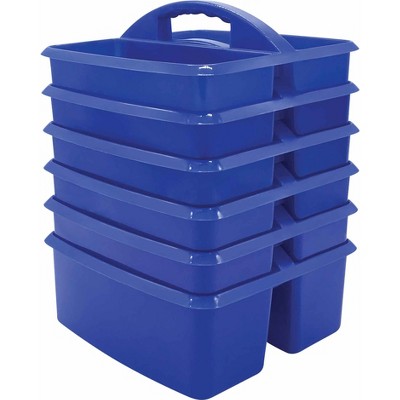
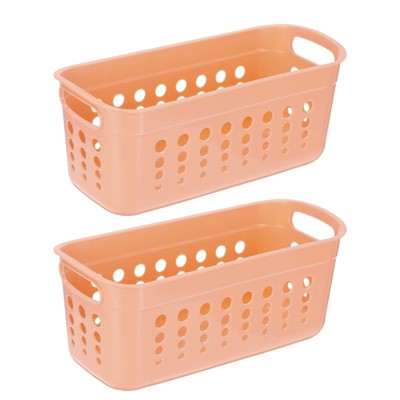
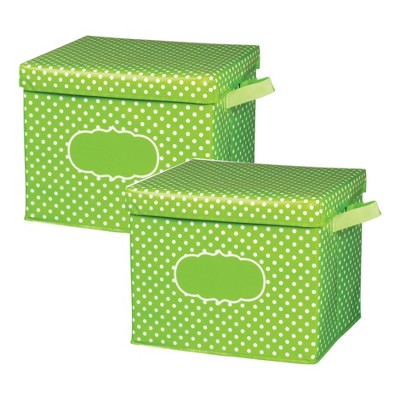
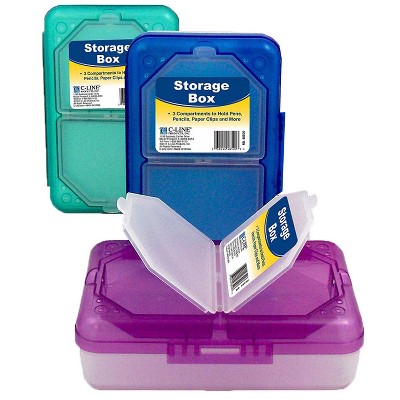
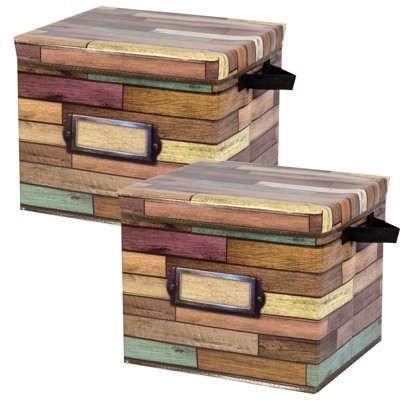
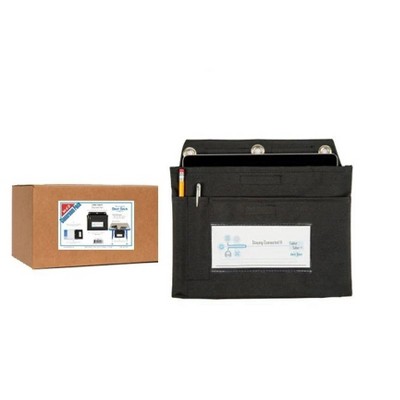
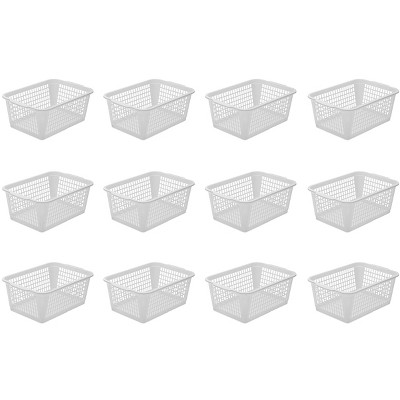
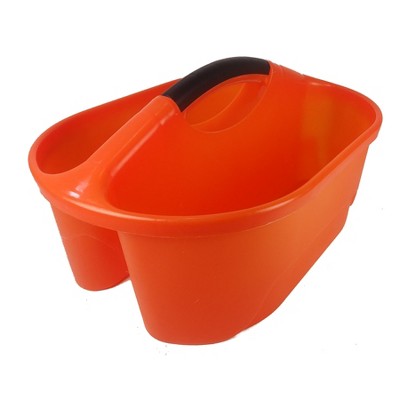
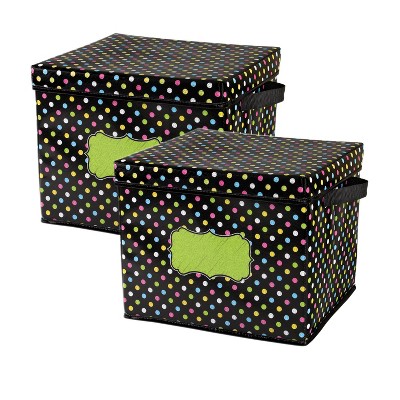
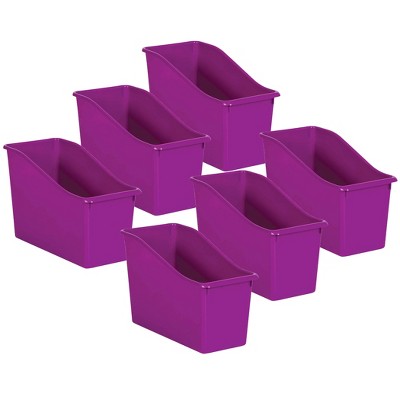
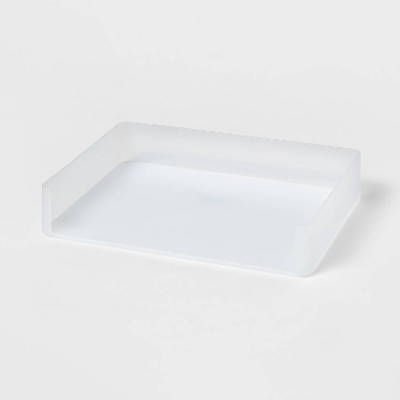
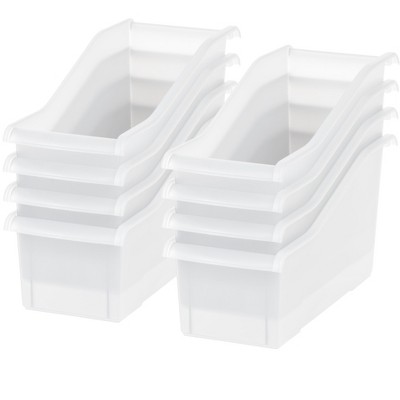
Common materials include plastic (often polypropylene), acrylic, steel, polyurethane, and fabric or cardboard finishes (such as polyester or linen). Product listings typically specify the exact material used, so check item details for confirmation.
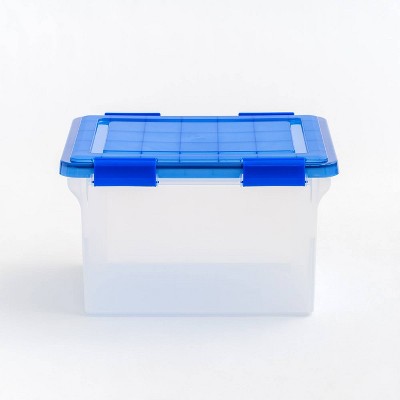
Many organizers are sized for standard letter paper and explicitly state compatibility with hanging letter-size folders. Some larger file boxes are designed to hold both letter and legal hanging folders. Check the product description to confirm supported folder sizes.
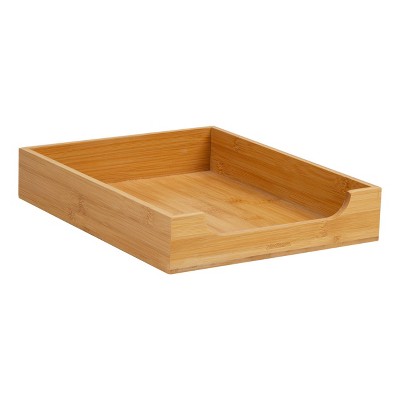
Most desktop file organizers arrive fully assembled and ready to use out of the box. If assembly is required, the product listing will note it in the item details.
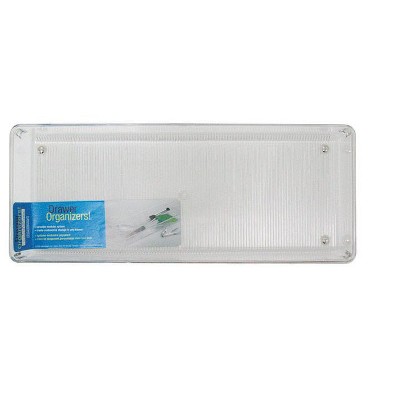
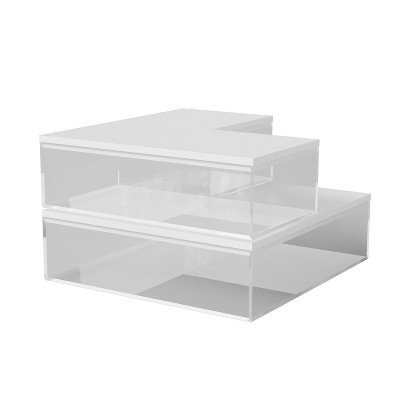
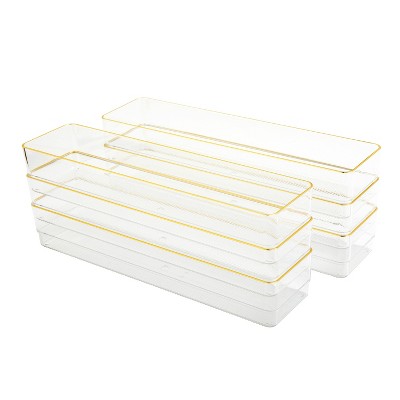
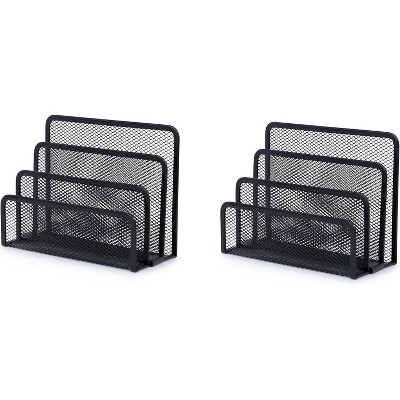
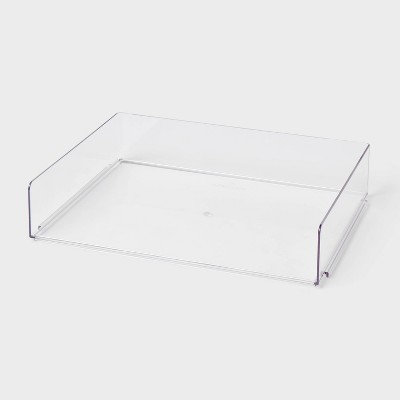
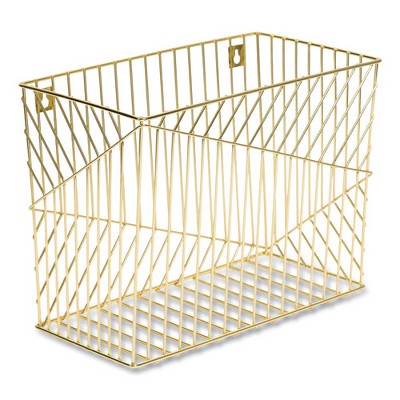
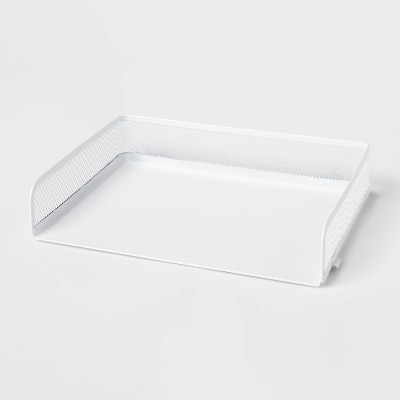
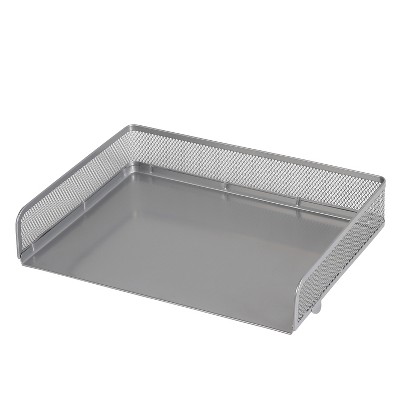
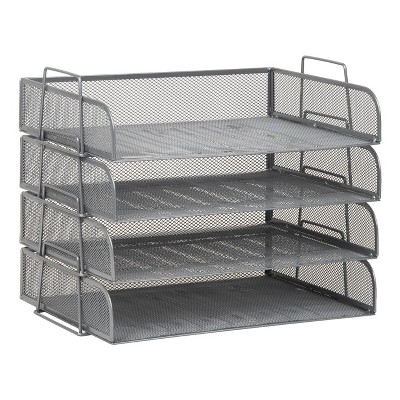
Clear acrylic organizers, mesh or wire designs, and models with built-in label holders or indexed slots make contents easy to view and identify. Look for transparent panels, mesh sides, or dedicated label slots when visibility and labeling are important.
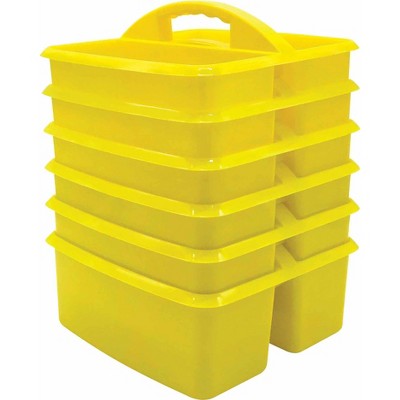
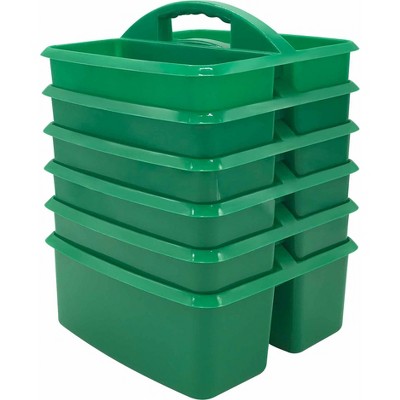
Some file boxes have indexed covers or flat tops designed for stable stacking, while many organizers use a narrow vertical profile to store files upright and save desk space. Choose stackable designs if you need to maximize vertical storage.