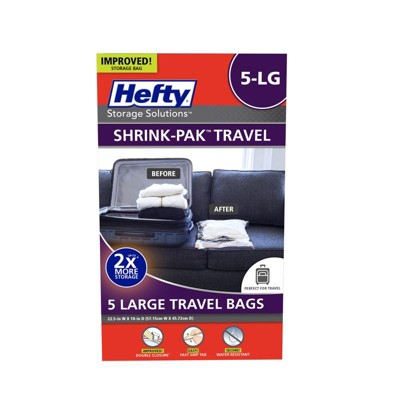
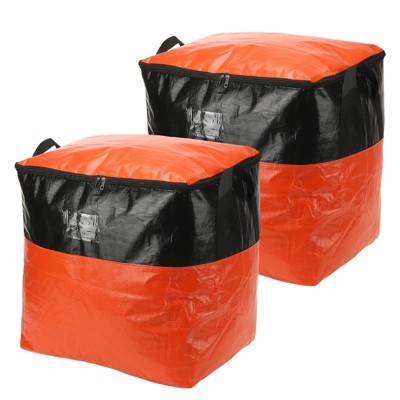
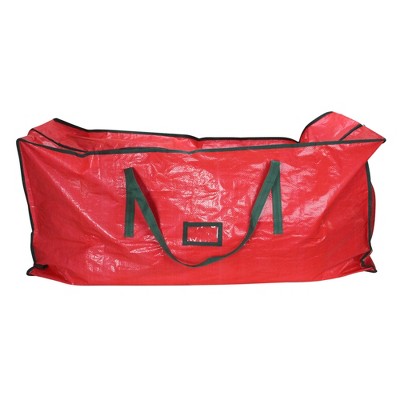
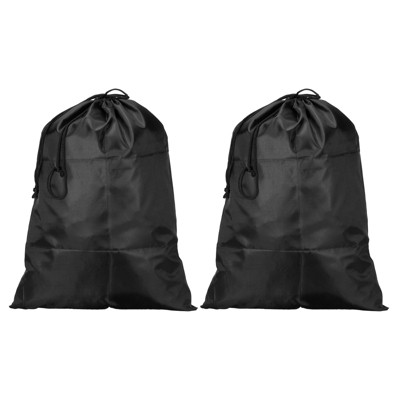
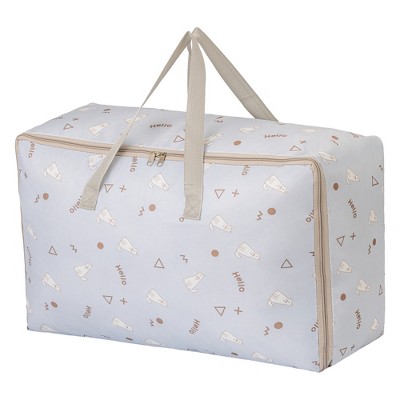
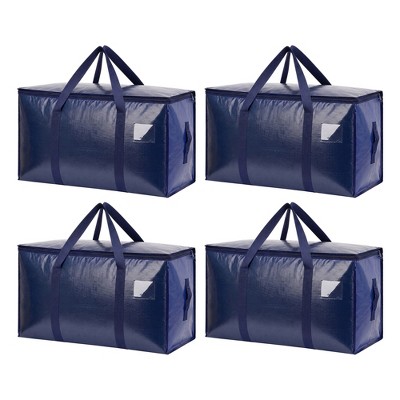
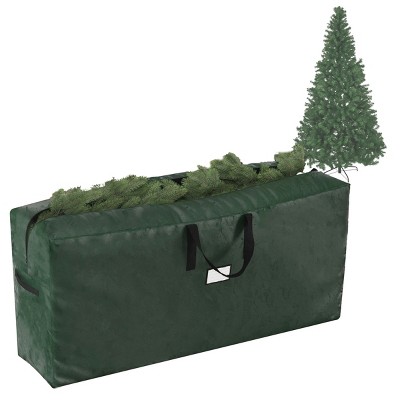
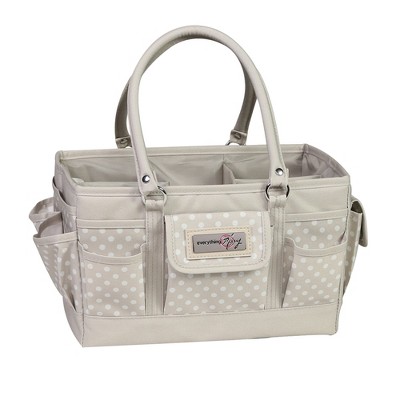
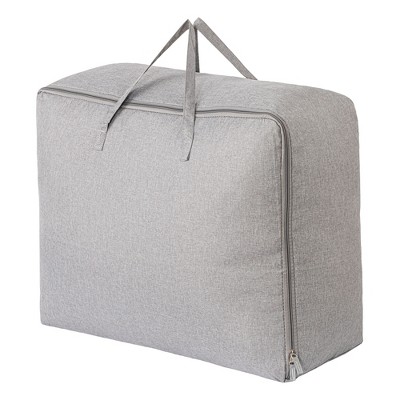
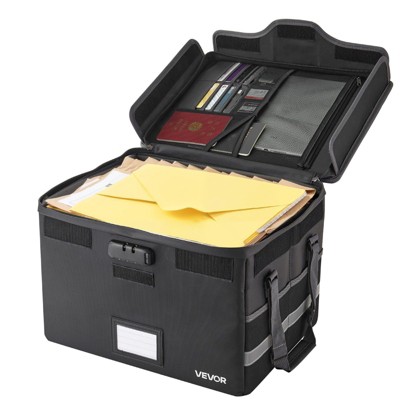
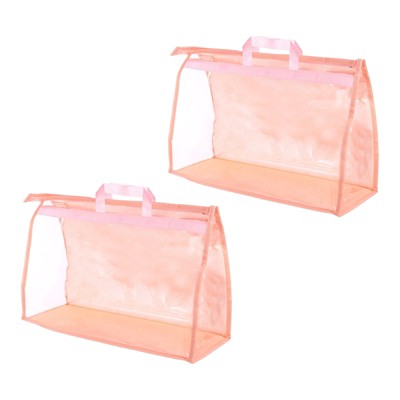
Typical materials include PEVA (polyethylene vinyl acetate), breathable non-woven fabrics, nylon, polyester, and EVA. Lightweight plastic and polyethylene are common for general bags, while vacuum/compression bags often use heavier-duty PA (polyamide) and PE (polyethylene) laminates.
Common protective features include dustproof and water-resistant fabrics, cushioning for fragile items, airtight double-zip seals and turbo valves on vacuum bags, and durable closures that keep contents contained during transport.
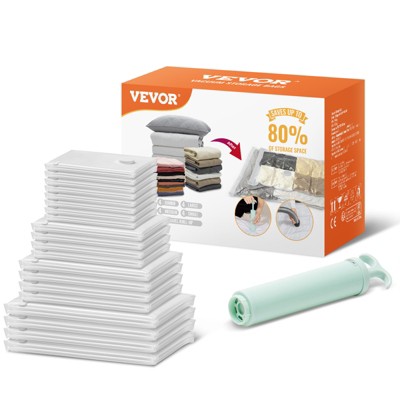
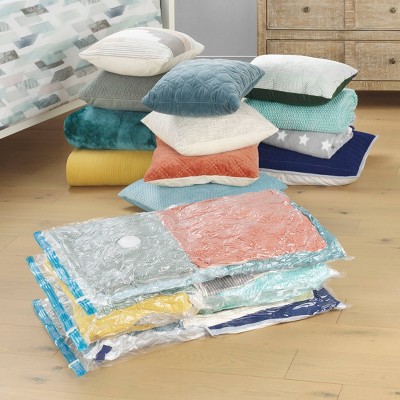
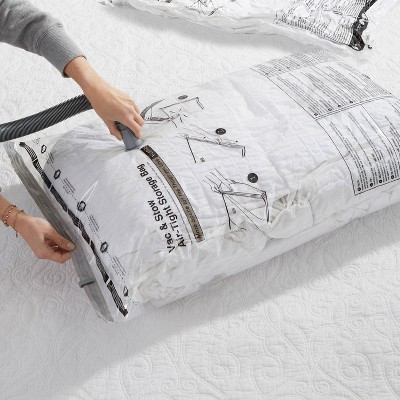
Compression bags work by removing air to reduce the volume of bedding and clothing. Some sets include an electric pump to speed the process; others are designed to work with a standard household vacuum cleaner via a valve.
Care varies by material: many fabric and nylon organizers can be spot-cleaned or wiped with a damp cloth and air-dried; some travel organizers may be hand-washable as well. Plastic and vacuum bags are usually wiped clean and fully dried before storage. Check the product listing or manufacturer instructions when provided, since some items do not include care details.
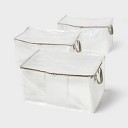
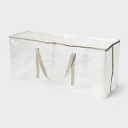
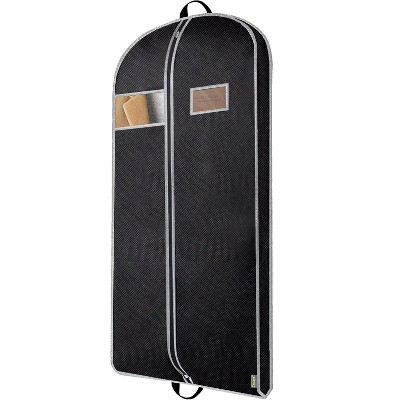
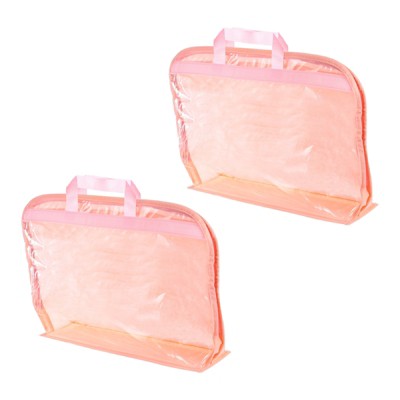
Visibility varies: garment and vacuum bags are often fully clear, making contents easy to identify; shoe bags and some pouches may be translucent or frosted; packing cubes frequently have mesh panels or tops for quick visual identification of contents.