Target New ArrivalsBack to SchoolCollegeClothing, Shoes & AccessoriesHome & DecorKitchen & DiningOutdoor Living & GardenGroceryHousehold EssentialsBabyBeautyPersonal CareSports & OutdoorsHealthWellnessSchool & Office SuppliesToys & GamesElectronics & TechVideo GamesMovies, Music & BooksParty SuppliesGift IdeasGift CardsPetsUlta Beauty at TargetShop by CommunityTarget OpticalDealsClearanceNew ArrivalsBack to SchoolCollegeTop DealsTarget Circle DealsWeekly AdShop Order PickupShop Same Day DeliveryRegistryRedCardTarget CircleFind Stores

plant planters

1,000+ results for “plant planters”

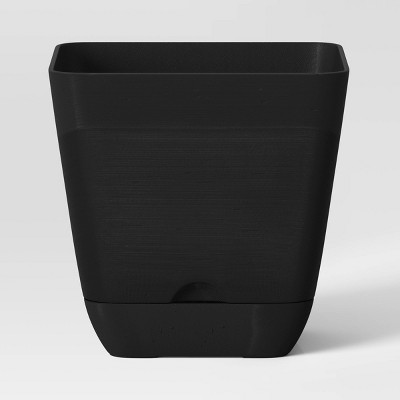
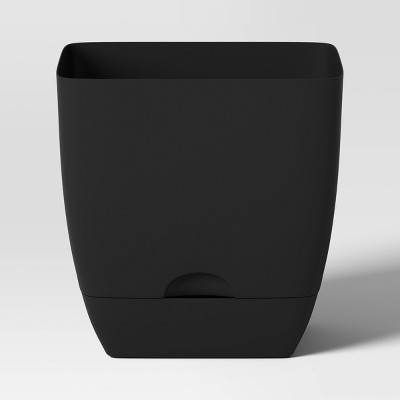
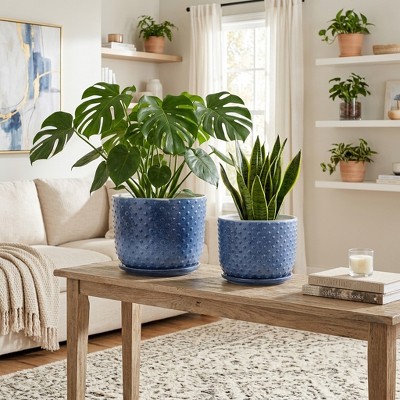
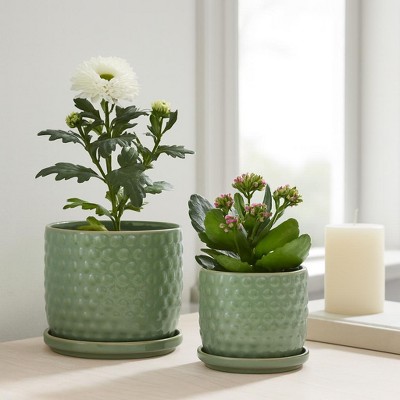
Planter Collection - Room Essentials™

$2.40 - $30.00
Select items on clearance
When purchased online

Sponsored

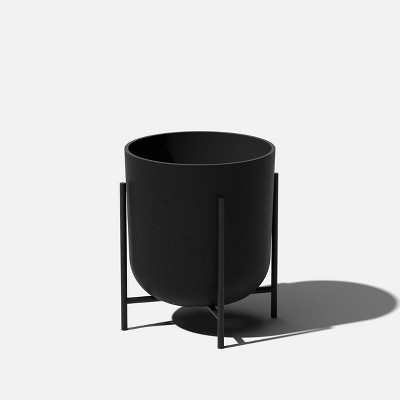
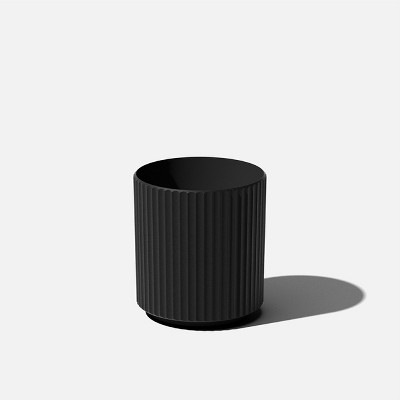
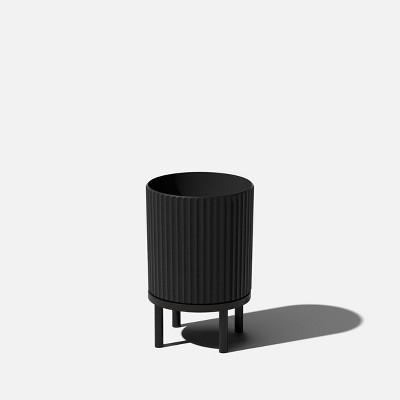
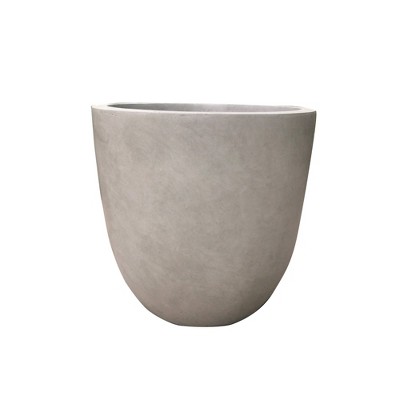
Veradek Demi Series Demi Round Planter

Sponsored

Powered by AI

Guests also ask:

Weights vary by material: ceramic planters are often around 11–15 lb (providing good wind resistance), while terracotta and plastic pots are noticeably lighter. Larger metal raised beds list structural load capacities (examples show values like 175 lb) and include stability features such as anti‑slip foot pads, sturdy framing, and wider bases. Choose heavier materials or reinforced construction for windy or exposed locations.

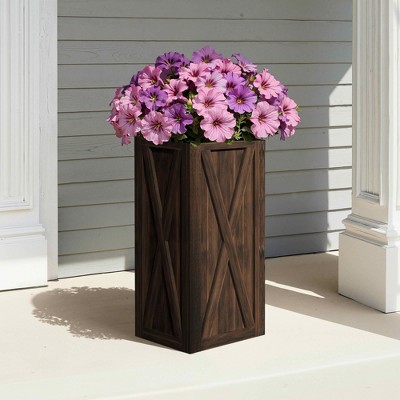
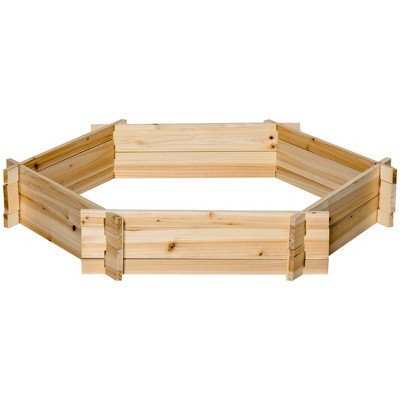
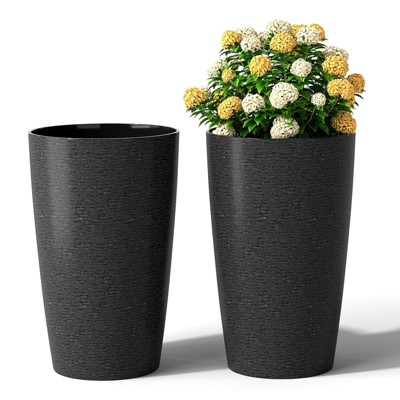
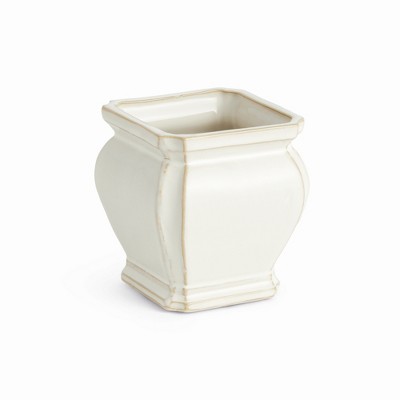
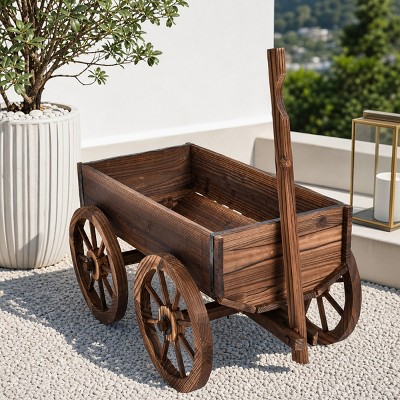
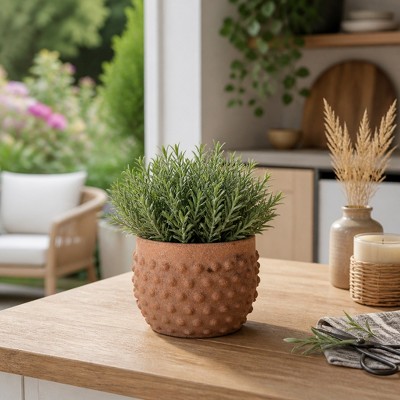
Planters come in a range of finishes and styles: hand‑painted glazed ceramics with a polished look, matte terracotta textures, sun‑bleached composite patterns, textured decorative ceramics, and rustic or farmhouse wood finishes commonly used for raised beds.

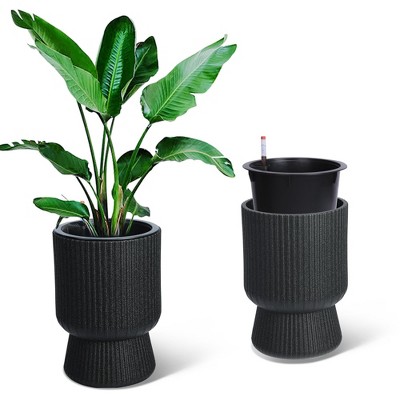
Watering aids include built‑in reservoirs for self‑watering wall planters, included saucers to catch excess water for some pots, and drainage features such as holes or permeable/open bases that help prevent pooling and improve runoff.

Multi‑piece sets commonly mix small and medium pots—for example, 6" paired with 8" planters or combinations around 7"–8". Some two‑pack options include larger pots (examples list 12" diameters). Expect paired sizes that allow layered displays or grouped plantings.

Planters are made from ceramic and terracotta, various metals (including galvanized steel), plastics like polypropylene, composite materials, and wood (for example, fir used in raised beds).

Drainage options include single drainage holes, planters sold without drainage, open or open‑ended bases for ground‑sitting beds, water‑permeable bases, self‑watering reservoirs (common in wall planters), and included saucers to catch excess water.

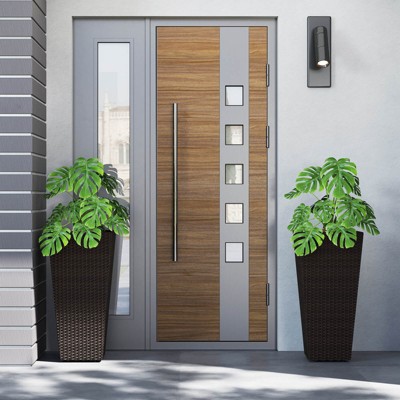
Planters are suitable for freestanding placement on patios, decks, porches, balconies, and indoor rooms. Some designs mount on walls or fences (for example, half‑circle wall planters), while raised and elevated beds are intended for patios, balconies, or yards.

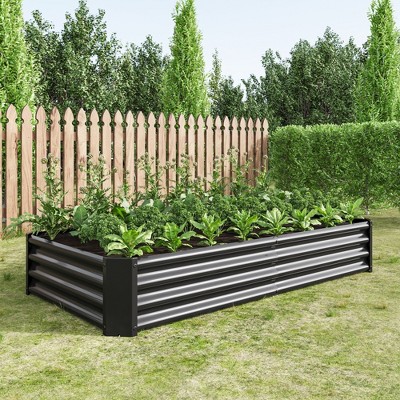
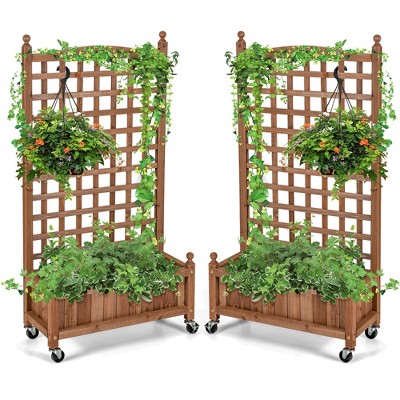
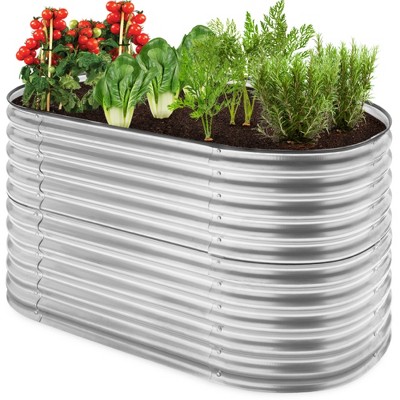
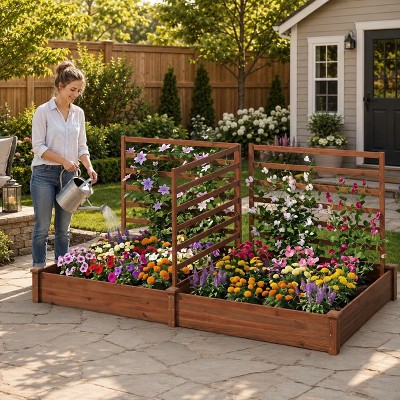
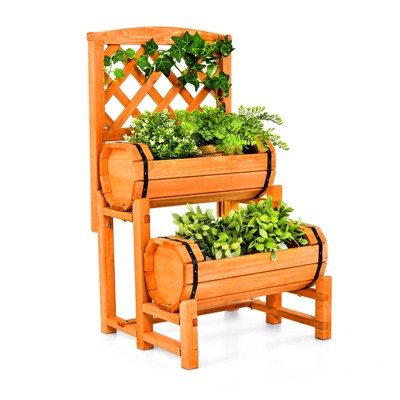
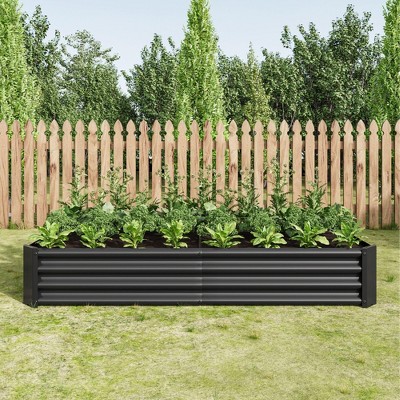
Common features include built‑in trellises and modular, adjustable tiers for vertical planting; open‑ended or well‑drained bases to improve drainage and root aeration; elevated heights for easier gardening; and, for metal beds, rust‑resistant electro‑coatings and anti‑slip foot pads for added durability and stability.

Get top deals, latest trends, and more.